The Calculated Melodrama of Clacton
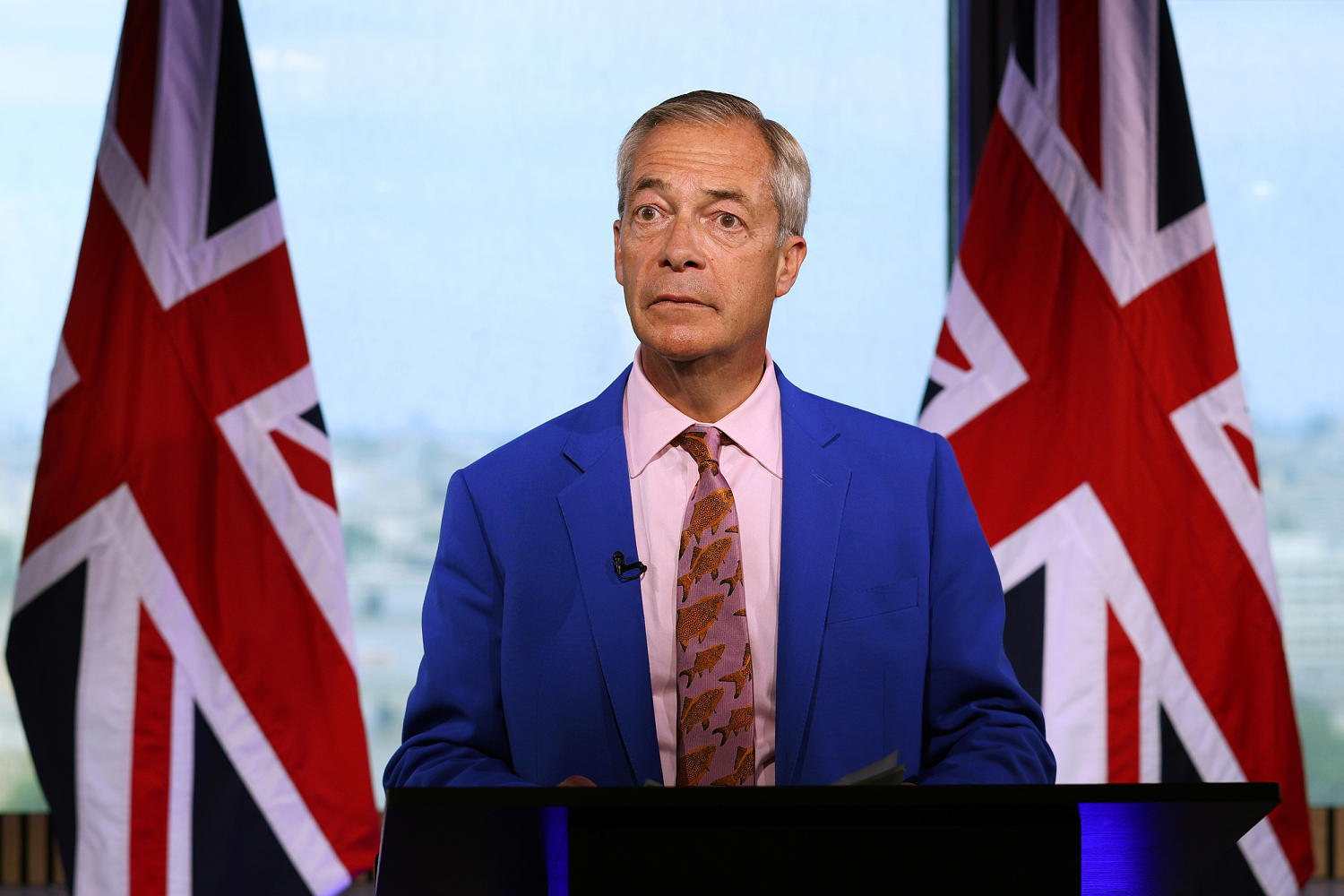
Nigel Farage does not do quiet exits. When the Reform UK leader stepped up to a microphone on Tuesday, July 7, 2026, he delivered a shockwave that British politics did not see coming. He announced he is resigning his seat in the House of Commons. But he isn't walking away from power. He is triggering a sudden by-election in his coastal constituency of Clacton, aiming to run immediately for his own vacant seat.
The move looks like madness on the surface. Why would a sitting lawmaker willingly throw away his hard-won position just to force an expensive, grueling local vote? The answer lies in a mounting financial storm that threatens to derail his entire political project. Farage is facing a serious parliamentary standards investigation into millions of pounds in undeclared donations. By quitting now, he is attempting to outrun the investigators, turn a legal headache into a populist circus, and force his constituents to act as his ultimate jury. For a deeper dive into similar topics, we recommend: this related article.
It is a classic high-stakes political gamble. Farage wants you to think this is a battle between an ordinary man and a corrupt establishment. In reality, it is a desperate preemptive strike to avoid being kicked out of office by the parliamentary watchdog.
Inside the Millions From Crypto Billionaires and Fraudsters
To understand why Farage pulled the trigger on this emergency strategy, you have to look closely at his bank accounts. The Parliamentary Commissioner for Standards, Daniel Greenberg, has been quietly digging into the Reform UK leader's personal finances for months. The primary trigger for the probe is a staggering £5 million ($6.7 million) gift from Christopher Harborne, a British businessman and cryptocurrency billionaire based in Thailand. To get more context on this issue, comprehensive analysis can be read on USA.gov.
Farage insists the money was a purely personal gift intended to fund his extensive personal security before he won his seat in the 2024 general election. Under Westminster rules, newly elected lawmakers must declare any significant financial gifts received in the 12 months before their election. The only exception is if the money could not be reasonably connected to their political work. Farage argues a gift for personal safety has nothing to do with politics. The standards watchdog clearly thinks otherwise.
If a multi-million-pound crypto gift was not enough trouble, a second financial scandal broke over the weekend. Reports revealed that Farage had been enjoying substantial, undeclared perks from his longtime aide and friend, George Cottrell.
Cottrell is not your average political staffer. He is a 32-year-old aristocrat with a colorful past. In 2016, while traveling with Farage in the United States, federal agents arrested Cottrell at Chicago's O'Hare airport. US prosecutors indicted him on 21 counts related to blackmail, extortion, and money laundering after he offered his services to undercover agents posing as drug traffickers on the dark web. He eventually pleaded guilty to a single charge of wire fraud and served eight months in an American federal prison.
Despite his criminal record, Cottrell remained firmly in Farage's inner circle. The latest disclosures show that before the 2024 election, Cottrell provided Farage with free access to a five-story luxury townhouse near Buckingham Palace, covered the salaries of three social media staffers, and paid for private security teams. Farage failed to register any of these perks. His allies argue these were just favors from a wealthy friend before Farage became an MP. His opponents call it blatant, illegal sleaze.
Why the Parliamentary Rules Matter
The financial rules governing British politicians are dry, but they carry a massive sting. The parliamentary standards system is designed to stop wealthy donors from buying secret influence over lawmakers. When an MP ignores these rules, the consequences can be fatal to their career.
If the standards commissioner finds Farage guilty of serious breaches regarding the Harborne and Cottrell funding, the matter goes to a committee of politicians. They have the power to recommend a suspension from the House of Commons. If they hand down a suspension of 10 days or longer, it automatically triggers a mechanism called a recall petition. If 10% of local voters sign that petition, the MP is fired, and a by-election happens anyway.
Farage saw the writing on the wall. He knew the investigation was going badly. Rather than waiting to be humiliated, suspended, and potentially kicked out by a committee of his peers, he decided to control the clock.
By resigning today, Farage effectively pauses or complicates the standards investigation. You cannot easily discipline a lawmaker who is no longer a member of the chamber. More importantly, it allows him to frame the entire scandal on his own terms. He gets to tell the voters of Clacton that the mainstream media and the Westminster elite are trying to subvert democracy because they are terrified of Reform UK.
The Political Stakes for Reform UK
This gamble comes at a highly volatile moment for British politics. Reform UK has had an extraordinary couple of years, winning major ground in local elections and shaking the foundations of both the Labour Party and the Conservatives. Some commentators had even begun tipping Farage as a genuine contender for prime minister in the next national election.
The party's momentum has recently hit a wall. Reform UK lost three consecutive special elections earlier this year, signaling that their rapid growth might be flattening out. Anti-Reform tactical voting has become highly effective across England. At the same time, internal tensions are bubbling under the surface. Figures within the party are split between sticking to Farage's hardline populist roots or moving toward a more structured, conventional conservative approach to win over mainstream voters.
The governing Labour Party, currently preparing for a leadership transition under figures like Chancellor Rachel Reeves and Manchester Mayor Andy Burnham, has reacted with fury to Farage's announcement. Reeves called the move a cynical political stunt to distract from deep financial trouble. Liberal Democrat leader Ed Davey went even further, publicly urging the government to find a way to block Farage's resignation until the financial inquiry finishes its work. Davey called on all major political parties to boycott the by-election entirely, refusing to give Farage the summer media circus he craves.
The Master of Populist Theater
We have seen this playbook from Farage before. He is a master of political theater who thrives when he can play the victim. His entire career has been built on the idea that he is an outsider fighting a corrupt, entrenched system.
When things get tough, Farage builds a wall around himself. For his resignation announcement on Tuesday, his party banned mainstream media outlets from attending the broadcast. He refused to take a single question from journalists. He simply looked into the camera, declared his innocence, and claimed he has never misused public money.
"The people of Clacton should be the judges of my actions," Farage stated. "This will be a people versus the establishment by-election."
It is a clever piece of rhetoric. It shifts the focus away from a convicted dark-web fraudster funding his luxury lifestyle and turns it into a grand philosophical battle for British freedom. Farage won Clacton comfortably in 2024 with over 46% of the vote. He knows he has a very strong chance of winning this by-election. If he wins, he will return to Parliament claiming a fresh mandate from the people, arguing that his victory completely wipes the slate clean of his financial misdeeds.
What Happens Next
If you are following this story, don't look at the upcoming by-election as a standard political race. Look at it as a defensive legal strategy disguised as a democratic crusade. Farage is betting everything on the loyalty of Clacton's voters to insulate him from the rules that apply to every other politician in the country.
Here is what to watch for over the coming weeks:
- The Watchdog's Response: Watch whether Parliamentary Commissioner Daniel Greenberg insists on continuing the financial probe despite Farage's resignation. If the watchdog refuses to drop the case, Farage's plan to completely clear his name will fail.
- Party Boycotts: See if Labour and the Conservatives actually field strong candidates in Clacton, or if they follow the Liberal Democrat advice to starve Farage of attention by running low-profile campaigns.
- The Reform Campaign Expenses: Keep an eye on how Reform UK funds this emergency election. The party claims it will foot the entire bill to avoid accusations of wasting public money, but their funding sources are exactly what got Farage into this mess in the first place.
Farage has forced British politics into a summer of circus-style campaigning. He wants to turn his financial scandals into a popularity contest. Whether the voters of Clacton choose to save him from accountability remains to be seen, but one thing is certain: the line between political allyship and financial dependency has never been blurrier for the populist right.