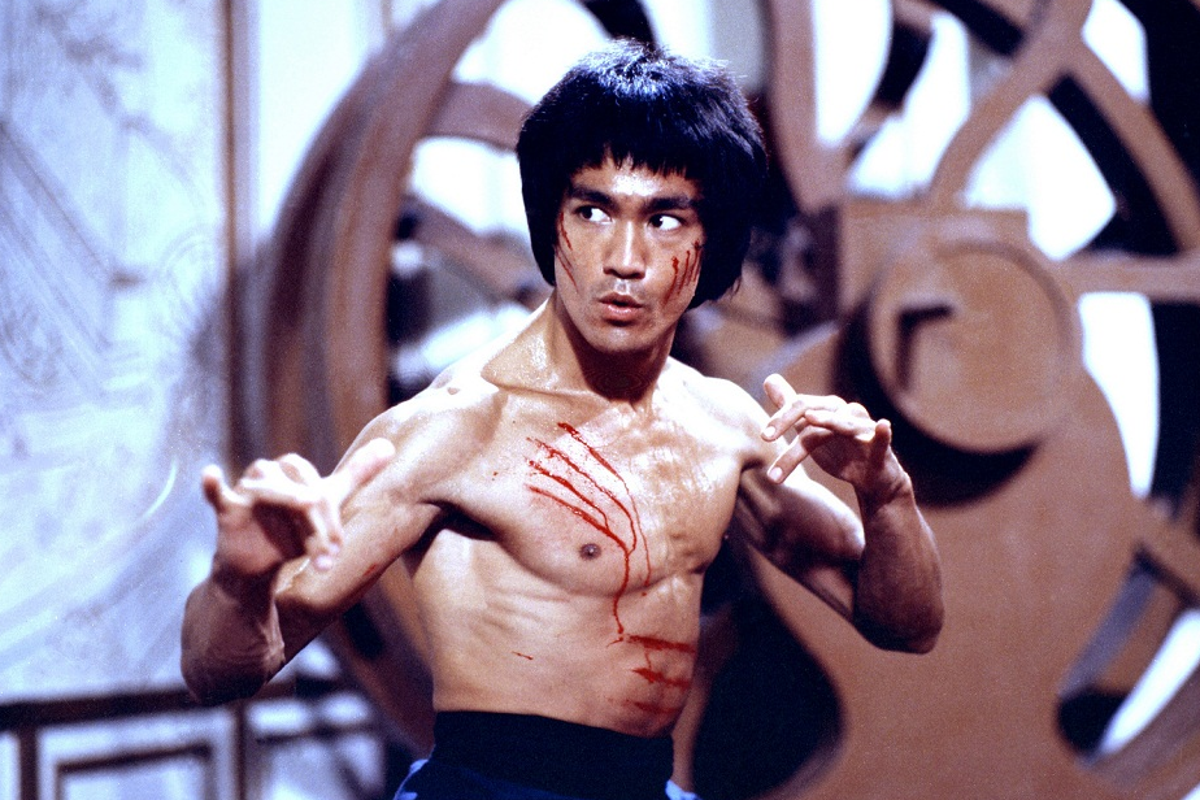
Hollywood loves to celebrate Bruce Lee when there is money to be made. His likeness sells shirts, his films still generate streaming revenue, and his martial arts philosophy gets quoted by tech CEOs looking for a cheap boost in motivation. But actual institutional recognition from his home state? That took more than half a century.
Governor Gavin Newsom signed Assembly Bill 2455, officially creating an annual Bruce Lee Day in California.
It is a massive historical milestone. Lee is now the first Chinese American in California history to be commemorated with an official state day. The law sets aside May 17 every year to honor his legacy. The push came from Assemblymember Matt Haney, a San Francisco democrat who pushed the bill through the Senate with a unanimous 38-0 vote before it hit the governor's desk.
The choice of May 17 is not random. It marks the exact day in 1959 when an 18-year-old Lee hopped off a ship and stepped back onto San Francisco soil. He had a hundred bucks in his pocket and a childhood of Hong Kong acting experience behind him. It was the moment he decided to claim his birthright citizenship and remake the American cultural landscape on his own terms.
Breaking the Studio Color Barrier
To understand why this law matters, you have to look at what Lee fought against in California. Hollywood in the 1960s did not know what to do with an Asian man who refused to play a caricature.
When he landed the role of Kato in the 1966 television series The Green Hornet, he was paid significantly less than his white co-stars. His character barely had any lines. He was supposed to be a silent, subservient sidekick. Instead, Lee used his speed and charisma to steal every scene. Kids across America did not care about the Green Hornet; they tuned in to watch Kato throw kicks.
Yet the industry refused to move forward. When Lee pitched a concept for a television show about a martial artist in the Old West, studio executives took the idea, sidelined him, and cast white actor David Carradine in Kung Fu instead. The excuse? They claimed American audiences would not accept an Asian lead.
Disgusted by the systemic bias, Lee left California for Hong Kong to make movies where he could actually run the show. He made The Big Boss and Fist of Fury, shattering box office records in Asia and forcing Hollywood executives to fly across the Pacific with their checkbooks open. They finally gave him the starring role he earned in Enter the Dragon, but he died in 1973 at just 32 years old, days before the film premiered.
The San Francisco and Oakland Roots
People forget that Lee was a California native. He was born in San Francisco's Chinatown in 1940 while his parents were touring with a Chinese opera company.
After returning to the US as a teenager, he lived across the Bay Area. He co-founded a martial arts school in Oakland, where he developed Jeet Kune Do—his signature philosophy of formless, adaptable fighting. He rejected the rigid, traditional structures of ancient martial arts. He wanted something that worked in real life.
His daughter, Shannon Lee, who now runs the Bruce Lee Foundation, noted that this state recognition highlights his role as a cultural bridge. He taught martial arts to anyone who wanted to learn, regardless of race, which infuriated traditionalists in the Chinese community at the time. He did not care about gatekeeping. He cared about human potential.
What This Law Actually Changes
This is not a paid state holiday where government offices close. It is a commemorative designation designed to push history into public spaces.
The Bruce Lee Foundation and local Asian American advocacy groups are using the legislation to introduce voluntary curriculum modules into California public schools. Expect to see:
- Classroom lessons focused on the history of early Chinese immigration and the exclusion acts.
- Public exhibitions in San Francisco and Los Angeles detailing the history of Asian Americans in media.
- Community-led martial arts exhibitions highlighting the philosophy of Jeet Kune Do.
The first official statewide celebration will launch on May 17, 2027.
The Reality of Representation
Let's be real about the timing. Passing this bill unanimously in 2026 shows how much the political climate has shifted, but it also highlights how slow progress can be. For decades, the Asian American community in California has looked for ways to cement its history into state law.
Using Lee as the spearhead makes sense because his appeal cuts across demographic lines. He wasn't just an actor; he was an philosopher who taught people how to handle pressure and adapt to pain.
If you want to participate or bring this into your local community, you don't need to wait for the state to organize an event. Reach out to the Bruce Lee Foundation online to access their educational toolkits. Talk to local martial arts schools about hosting community workshops focused on physical fitness and mental discipline for teenagers. Use the momentum of this law to fund local Asian American arts initiatives in your own neighborhood.