An 18-year-old student lies bleeding on a cold Southampton pavement, gasping that he cannot breathe and has been stabbed. Instead of getting immediate medical help, he gets slammed into handcuffs. The response from the first police officer on the scene? "I don't think you have, mate."
This isn't a fictional crime drama. It's the horrific reality of Henry Nowak's final moments on December 3, 2025. Now, the Independent Office for Police Conduct (IOPC) has dramatically escalated its probe, putting two Hampshire Constabulary officers under official investigation for gross misconduct. It's a massive U-turn from the watchdog's initial stance, which treated these officers merely as witnesses.
The shift reveals an uncomfortable truth about systemic failures in frontline policing. This case isn't just about a tragic error in judgement. It highlights a complete collapse of basic operational procedure, a total lack of empathy, and a terrifying vulnerability to manipulation by criminals.
The Three Minute Video That Sparked National Outrage
Public fury reached a boiling point after the release of a three-minute body-worn camera video showing the raw, unedited interaction between the attending officers and Nowak. The teenager, who had traveled from Essex to Southampton, was completely incapacitated by a wound inflicted by a large blade.
The killer, 23-year-old Vickrum Digwa, actively manipulated the responding officers by spinning a bogus story. Digwa claimed he was the actual victim of a racially motivated attack by Nowak. The police believed the lie instantly.
Instead of checking Nowak for injuries, the officers treated the dying teenager as the primary suspect. They cuffed him as he lost consciousness. According to evidence later brought to light, it took a staggering eight minutes for the officers to even discover the stab wound that ended his life.
The disparity in treatment is what hurts the most. While Nowak was treated like a violent criminal during his final breaths, Digwa was shown what Nowak's father described as "decency." Digwa was eventually jailed for life with a minimum term of 21 years in June 2026, but the conviction hasn't silenced the serious questions surrounding the emergency response.
What the Gross Misconduct Probe Actually Targets
The IOPC investigation focuses heavily on a complete breakdown of basic professional behavior standards. The watchdog is looking into specific breaches, which include:
- Failure to Recognize Medical Emergency: An absolute failure to understand that a gasping, non-responsive teenager required urgent trauma care.
- Neglecting First Aid Duties: The conscious decision to prioritize restraint and arrest over life-saving physical intervention.
- Discreditable Conduct: Dismisssing explicit verbal statements from a victim stating they had been stabbed.
- Abuse of Force: Cuffing a mortally wounded individual who posed zero physical threat to anyone on the scene.
The investigation is also looking wider than just the two officers on the pavement. The IOPC is actively investigating the Hampshire and Isle of Wight Constabulary control room staff. Investigators want to know exactly how the emergency calls were handled and what critical information was passed—or failed to be passed—to both the responding units and the ambulance service.
There's an even heavier cloud hanging over this case: bias. The watchdog is explicitly examining whether race or religion influenced the officers' actions. They are looking into whether preconceived assumptions about community tensions in Southampton dictated why Nowak was handcuffed while his killer walked around unrestrained at the scene.
The Dangerous Political Fallout
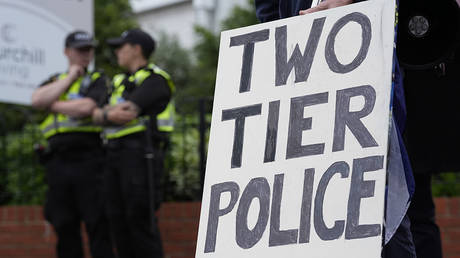
When police operations fail this spectacularly, a vacuum opens up. In this case, the vacuum was immediately filled by political opportunists and extreme groups. Far-right commentators seized on the tragedy, claiming the police response was driven by institutional anti-white bias. This narrative sparked violent protests in Southampton, resulting in injured officers and subsequent jail sentences for rioters.
The ripples even crossed the Atlantic, turning into an international diplomatic spat. High-profile US officials used the tragedy to push specific political agendas regarding UK immigration and social cohesion, prompting sharp rebukes from UK Prime Minister Keir Starmer and Foreign Secretary David Lammy.
This political noise distracts from the core issue. The primary failure wasn't a complex geopolitical conspiracy. It was a failure of basic policing. Frontline officers failed to assess a scene objectively, failed to prioritize human life, and allowed a lying killer to dictate their operational choices.
The Long Road to Accountability
Hampshire Police has already issued an apology to the Nowak family, but apologies don't fix broken systems. The two officers involved have been away from the workplace following threats to their safety after the bodycam footage went viral. If they return to work before the probe finishes, they face strict restrictions with absolutely no public contact. If found guilty of gross misconduct, they face immediate dismissal.
The IOPC expects to conduct face-to-face interviews with the officers soon, aiming to wrap up the investigation by September 2026. For the family, the fight is far from over. Senior law officers are also appealing Digwa's 21-year minimum sentence, arguing it's unduly lenient for such a brutal crime.
If you want to track the outcomes of this investigation and see real-time updates on UK police accountability metrics, you can follow the official statements directly on the Independent Office for Police Conduct transparency portal. True reform only happens when the public refuses to let these cases slide under the rug.