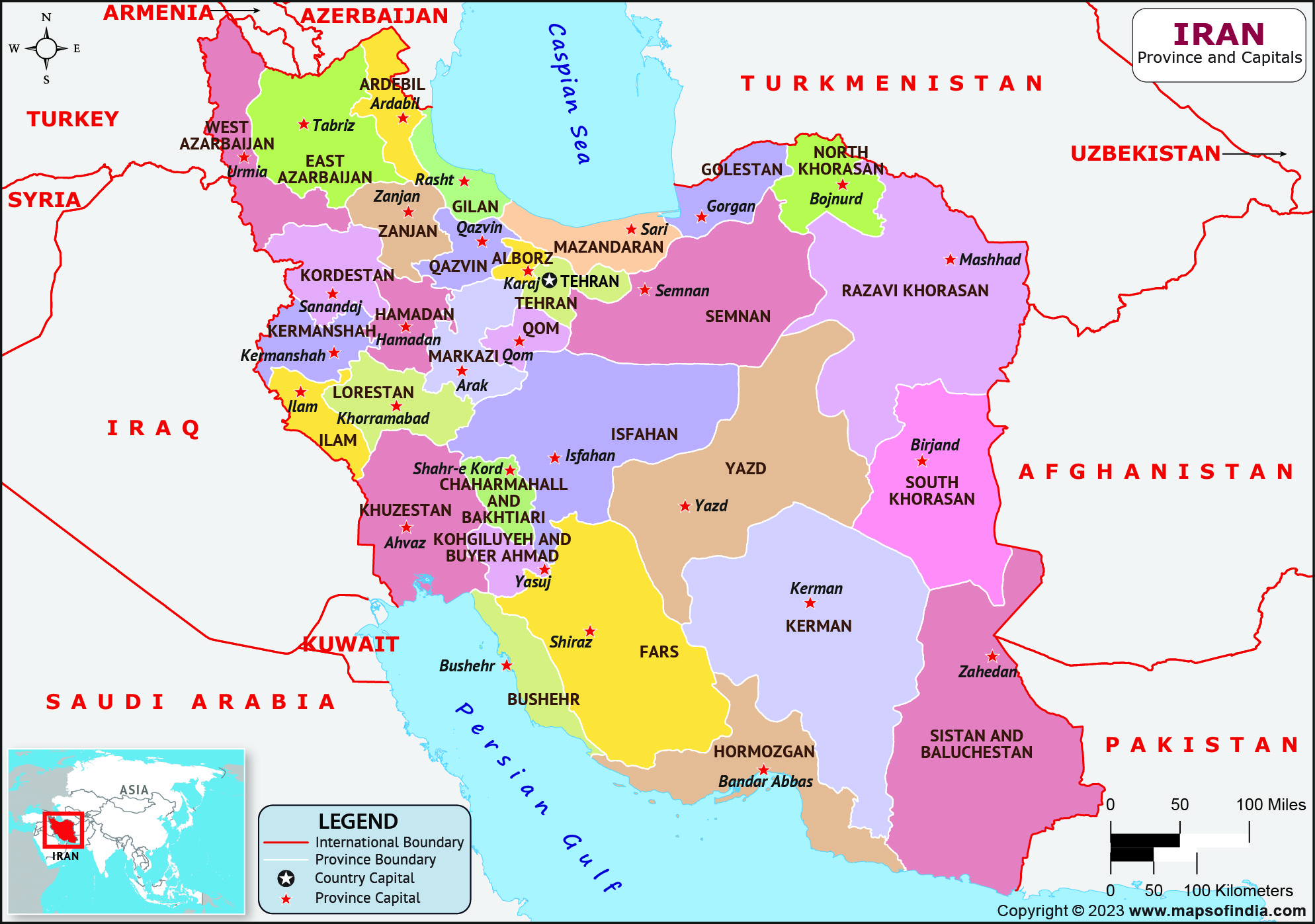
The three-month war between Iran, the United States, and Israel might have cooled into an uneasy interim deal, but the real battle for the world's most critical energy transit corridor has just begun. If you think the June 17 Memorandum of Understanding brought stability to the Persian Gulf, you're missing the bigger picture. Tehran isn't planning a return to the old status quo. In fact, it's doubling down.
Senior Iranian sources have made it clear that Tehran expects lasting, international recognition of its absolute authority over the Strait of Hormuz. They aren't just looking to patrol it. They want to dictate exactly which ships pass through, choose the routes those vessels must take, and slap commercial shipping with permanent transit fees.
This isn't a minor diplomatic disagreement. It's a fundamental clash of views that threatens to reignite an all-out war.
The Sixty Day Illusion
On paper, the interim deal negotiated with the Trump administration bought the global economy some breathing room. Iran agreed to stop blocking traffic and allow ships to pass through the 20-mile-wide chokehold for 60 days without paying charges. Shippers breathed a sigh of relief.
But it's an illusion. Tehran views the wording of that very agreement as an explicit acknowledgement of its sovereignty. While they aren't collecting tolls right now, Iranian officials believe they retain the right to manage the "Route of Authority" through the narrow waterway.
The strategy is simple but aggressive. Iranian negotiators refuse to discuss any other major sticking points—including the future of their nuclear program or regional proxies—until Washington formally accepts perpetual Iranian management of the strait. If the 60-day clock runs out in mid-August without an extension, Tehran plans to immediately start charging shipping companies for passage.
A Historic Opportunity Sealed in Blood
Why is Iran taking such a massive gamble right now? To understand their mindset, you have to look at how they perceive the outcome of the recent conflict.
Tehran feels it just survived its ultimate nightmare scenario—a direct, multi-front war against the combined military might of the United States and Israel. Because the regime survived, its leadership believes it now holds a historic hand. They don't think they lost. They think they won leverage.
From the Iranian perspective, global shipping nations will eventually suck up the extra costs and administrative hassle of paying Iranian fees because the alternative—a permanently closed strait—is too economically catastrophic to bear. They bet that Washington will ultimately blink first to keep global oil and gas flowing.
The Reality of the Chokehold
The global economy cannot easily bypass this narrow strip of water. Before the war broke out on February 28, the Strait of Hormuz handled roughly 20% of the world's petroleum and liquefied natural gas.
Strait of Hormuz Peacetime Traffic Share:
[████████████████████] 20% of Global Energy Supplies
When Iran shuts down the central shipping lanes, energy markets spike instantly. To make matters worse, alternative routes are physically dangerous. Just this week, an international container ship tried to bypass Iran's mandated paths and promptly ran aground in shallow waters. The message from the Islamic Revolutionary Guard Corps is unambiguous: follow our rules, or face the consequences.
The US response has been characteristically blunt. President Donald Trump publicly stated there will be no tolls unless Washington decides to impose them. Secretary of State Marco Rubio told Gulf Arab allies that no sovereign nation has the right to block or tax an international waterway.
The legal reality is messy. Neither the United States nor Iran has ratified the UN Convention on the Law of the Sea, which explicitly guarantees free transit passage through international straits. However, Oman, which owns the southern coastline of the strait, is a signatory.
Oman has tried to play mediator, floating a plan for voluntary maritime service fees rather than illegal tolls. But Iran has shown zero patience for shared control. When Oman and a UN agency tried to chart a safer southern route near the Omani shore last week, Iranian forces fired on four vessels, triggering a direct firefight with American naval units.
What Happens Next
The risk of a catastrophic miscalculation is incredibly high. Neither Washington nor Tehran believes they are operating from a position of weakness, making compromise highly unlikely before the August deadline.
If you are managing supply chains, trading energy commodities, or tracking geopolitical risk, you need to prepare for a volatile summer. Watch these specific indicators over the next few weeks:
- Doha Technical Talks: Monitor whether Iranian negotiator Kazem Gharibabadi moves past asset releases and Lebanese border issues to discuss the maritime framework. If talks stall on Hormuz, the interim deal is dead on arrival.
- Insurance Risk Premiums: Watch for maritime underwriters hiking war-risk premiums for hulls traversing the Gulf. If commercial insurers lose faith in the 60-day window, traffic will dry up long before the mid-August deadline.
- The Omani Compromise: Keep an eye on bilateral discussions between Tehran and Muscat. If Oman fails to convince Iran to accept a softer "service fee" model instead of aggressive sovereignty tolls, an August trade blockade is almost guaranteed.
The illusion of peace in the Gulf is fracturing fast. Iran sees the Strait of Hormuz as its ultimate prize from a brutal war, and they're willing to risk round two to keep it.