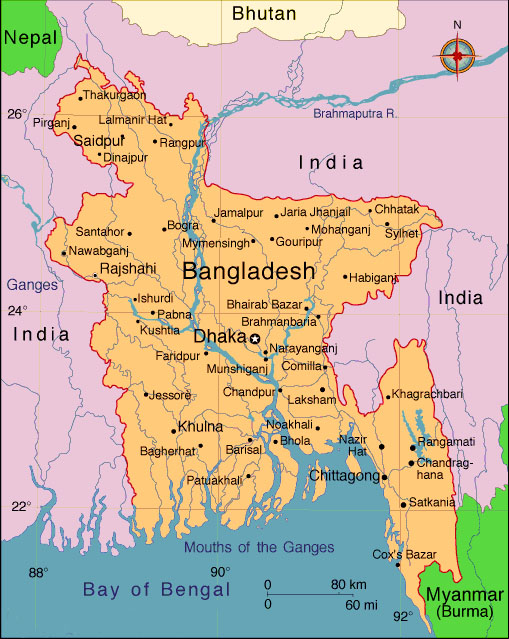
Bangladesh is staring down a massive economic squeeze. The newly approved 1.1 billion dollar emergency package from the World Bank isn't just another routine development loan. It is a rapid response injection meant to keep the country's agricultural backbone from snapping under the pressure of soaring global commodity markets.
If you are tracking South Asian economics, you already know the story. Global conflicts, particularly ongoing disruptions in the Middle East, have sent fuel, food, and fertilizer prices through the roof. For a country like Bangladesh, where public finances are incredibly tight and inflation is pinching the average household, these global shocks hit home fast.
The World Bank stepped in on June 26, 2026, approving a massive rescue lifeline divided into two highly specific, time-sensitive projects. Here is exactly what the money is doing, why the timing is so close, and what it means for food production across the region.
Keeping the Rice Crops Alive
The first part of the rescue package tackles a huge vulnerability in the Bangladeshi food supply. The country relies heavily on imports for more than 85% of its fertilizer needs. When global logistics jam up or prices spike, smallholder farmers simply can't afford to feed their soil.
The Emergency Support for Food Security Project locks in 300 million dollars to solve this exact problem.
This money serves as a time-bound financing mechanism to import 600,000 metric tons of essential fertilizers. Half of that total volume is pure urea. The timing here is incredibly narrow. The funds are earmarked to cover two distinct, massive planting cycles:
- The Aman Season: July through October 2026
- The Boro Season: October 2026 through April 2027
Why do these two specific windows matter so much? Combined, the Aman and Boro crops account for roughly 90% of all the rice produced in Bangladesh.
Souleymane Coulibaly, the World Bank Lead Economist heading up the project, highlighted a stark reality. Around half of the country's entire population works directly in agriculture. Missing a single fertilizer import cycle doesn't just mean smaller harvests next year. It means instant job losses, deeper structural poverty, and immediate local food shortages on a catastrophic scale. This 300 million dollars will help stabilize prices across 1.4 million hectares of smallholder farmland.
Cash Transfers and Fuel Injections
While the first project secures the farms, the second, larger component focuses entirely on immediate human relief. The Contingent Emergency Response Project commands 713 million dollars.
Instead of waiting months for typical project rollouts, this money operates on an accelerated timeline. The full allocation must be disbursed by June 30, 2026. To pull this off, the World Bank is using its crisis preparedness toolkit to repurpose unused funds from other active projects in the country. It shifts money from slow-moving initiatives straight into the front lines of the economic crunch.
This 713 million dollars funnels into three core areas:
- Direct Support: Swift cash transfers to low-income families and targeted livelihood assistance.
- Business Survival: Financial lifelines for micro, small, and medium enterprises (MSMEs) to prevent layoffs and business closures.
- Essential Utilities: Direct funding to secure fuel and energy imports so that hospitals, clean water facilities, and medicine production plants don't lose power.
Jean Pesme, the World Bank Division Director for Bangladesh and Bhutan, made it clear that the combination of international price volatility and shrinking national fiscal space has hammered the most vulnerable people first. This money serves as a buffer to keep basic public utilities running while giving small business owners enough breathing room to stay afloat.
The Macro Picture
This massive injection comes at a critical political and economic turning point for Dhaka. Earlier this month, Prime Minister Tarique Rahman’s administration rolled out its first national budget since taking office. It is the largest budget in the nation's history, totaling 9.02 trillion Bangladeshi taka, which translates to roughly 74 billion dollars.
However, that historic budget carries a massive 18.5 billion dollar deficit. Foreign exchange reserves are under intense pressure. The government is actively knocking on the doors of major international lenders, including the International Monetary Fund, to stabilize its currency and ease the strain on public coffers.
This 1.1 billion dollar package isn't a long-term cure for Bangladesh's underlying economic challenges. It is an emergency tourniquet. By covering the immediate costs of critical agricultural imports and keeping power grids running, it prevents a brutal economic shock from transforming into an outright humanitarian crisis. The focus now turns entirely to execution. Getting 600,000 tons of fertilizer distributed to millions of small farms across the country over the next few weeks will require flawless logistics from local authorities.