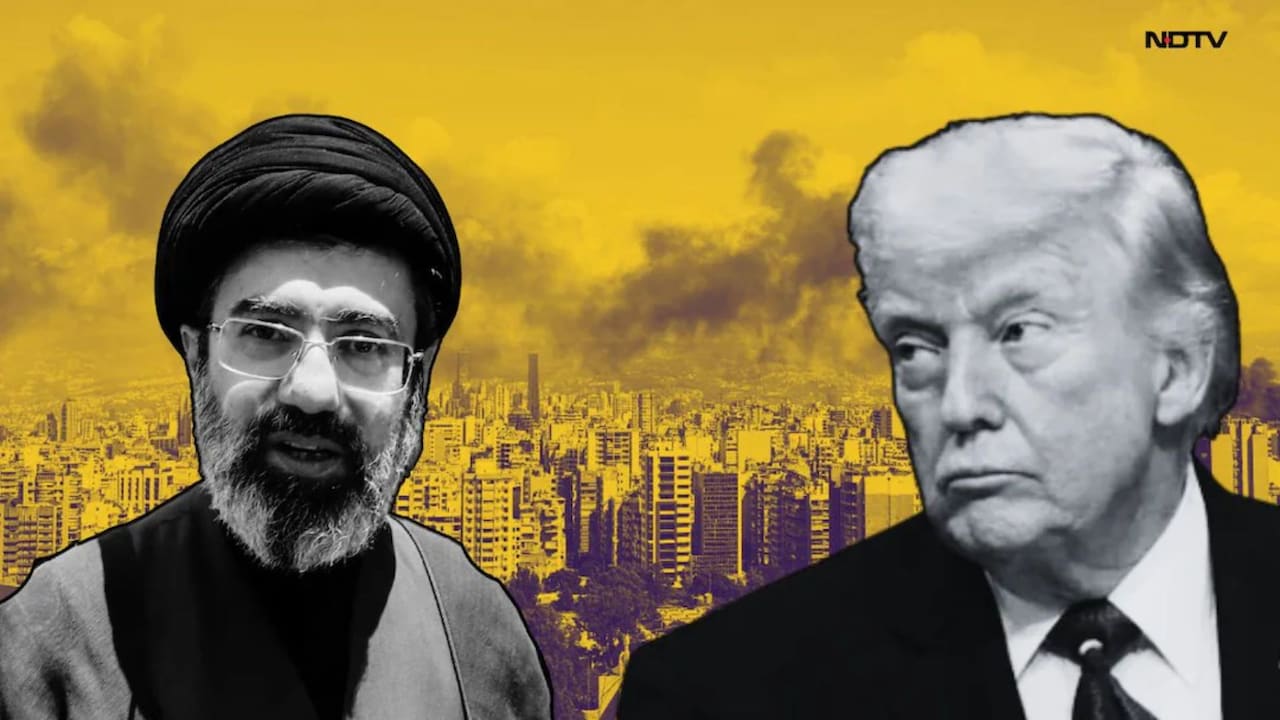
The ink wasn't even dry. Just ten days after Donald Trump and Iranian President Masoud Pezeshkian signed a 14-point deal in Islamabad to end their brutal military conflict, the bombs started falling again. Washington calls it self-defense. Tehran calls it a blatant violation. The truth is, the deal was designed to fail from the very start because both sides wanted different things out of a piece of paper.
If you're tracking the chaos in the Strait of Hormuz, you're probably wondering how a historic peace agreement collapsed in less than two weeks. It's not a mystery. On June 25, an Iranian attack hit a commercial cargo ship in the strait. The US military hit back hard on Friday, June 26, destroying Iranian drone and missile storage sites alongside coastal radar hubs. By Saturday, Iran's Revolutionary Guard Corps (IRGC) retaliated against American military positions across the region.
This isn't a minor bump in the road. It is a full-blown relapse into a conflict that has dragged down global markets and drained billions from national treasuries.
The Illusion of the Islamabad Accord
Everyone wanted to believe the June 17 agreement meant real peace. It didn't. The 14-point deal looked great for the cameras, but it lacked teeth. Washington thought it bought a permanent Iranian retreat from maritime harassment. Tehran thought it secured a quick lift of economic sanctions without giving up its regional posture.
Look at what happened immediately after the signing. Top Iranian negotiator Mohammad Bagher Ghalibaf explicitly called the accord a declaration of American defeat. He told state media that the understanding resulted from Iranian resistance, not Western pressure. When one side views a ceasefire as a victory lap and the other views it as a submission framework, conflict is guaranteed.
The biggest flaw lies in the geography of the Strait of Hormuz. Iran considers the waterway its backyard. Tehran quickly warned that no vessel could enter or leave the Gulf without its explicit permission. Shipping companies ignored this. Tankers kept moving, utilizing routes that Tehran never authorized. The friction was instant.
Why the Friday Air Strikes Shattered the Truce
The US military insists its Friday strikes didn't break the truce. Pentagon officials argue that hitting drone and missile installations was a direct, necessary response to the June 25 cargo ship attack. They want the world to believe the ceasefire is technically intact.
It is a tough sell. You can't drop precision ordnance on a sovereign nation's military bases and claim you're keeping the peace. The IRGC didn't wait around to debate the legalities. They immediately fired back at American bases, turning a localized maritime skirmish into a regional flashpoint.
Consider the political pressure back home in Washington. Trump faces a revolt from his own party. The US Senate recently voted 50-48 to back a war powers resolution directing the administration to halt military actions against Iran. Four Republicans crossed the aisle to join Democrats. Trump was reportedly furious, with Senator John Kennedy describing him as mad as a murder hornet. The administration needed to look strong to prove that the peace deal wasn't a sign of American weakness.
The Missing Pieces Everyone Ignores
The media keeps focusing on the missile exchanges, but the real crisis is hidden in the fine print of the negotiations. The economic and strategic assumptions behind the deal are totally disconnected from reality.
The Nuclear Inspection Lie
Trump claimed that Iran agreed to complete, unfettered nuclear inspections. Tehran flatly denied this within hours. While International Atomic Energy Agency chief Rafael Mariano Grossi kept insisting that inspections would happen, the actual framework remained completely unverified.
The Agriculture Disconnect
The White House tried to spin the deal as a massive win for the American heartland. JD Vance argued that frozen Iranian assets would be unlocked specifically to buy American farm crops. Iranian officials laughed at the idea, publicly stating they had no intention of funding US agriculture.
Regional Outliers Take Action
Israel is completely unwilling to let this deal stand. National Security Minister Itamar Ben-Gvir made it clear that Tel Aviv views Washington as naive. Israel has openly stated it will act alone to eliminate the Iranian threat, regardless of what agreements the US signs. With Israel operating on its own timeline, a US-Iran peace deal is practically useless.
How This Impacts the Global Economy Right Now
You can't close the world's most critical oil chokepoint without feeling the pain at the pump. The temporary relief provided by the US Treasury's brief lifting of oil sanctions is completely gone.
Shipping insurance rates for vessels crossing the Gulf have skyrocketed overnight. Some maritime transport firms are completely rewriting their routes, choosing to bypass the region entirely. That means longer transit times, higher fuel consumption, and general supply chain delays that will hit consumer goods by next month.
The financial cost of the conflict is staggering. Trump recently asked Congress for an extra $88 billion to cover regional military operations. Lawmakers are growing tired of funding an unpopular war that was supposed to end with a handshake on June 17.
What Happens Next
The path forward is incredibly narrow. Neither side can afford a total regional war, yet neither side can afford to look like they're backing down. If you want to understand where this situation goes over the coming weeks, look at these specific indicators.
- Watch the tracking data for commercial tankers in the Strait of Hormuz. If major shipping conglomerates halt transits, it means they expect massive escalations.
- Monitor the enforcement of the US Treasury sanctions. Watch whether Washington reimposes the oil restrictions that were temporarily eased until August.
- Track Israeli military movements in southern Lebanon. If regional proxies step up attacks, the US-Iran deal becomes completely dead.
The Islamabad deal isn't dead yet, but it's on life support. True stability won't happen until both nations address the fundamental issue of maritime transit rights and stop using ceasefires as political theater.