Street marches get headlines, but ballots win power. That harsh reality hit home when the anti-administration No Kings movement traded its signature street rallies for block parties, voter registration tables, and carpools to early voting sites across all fifty states.
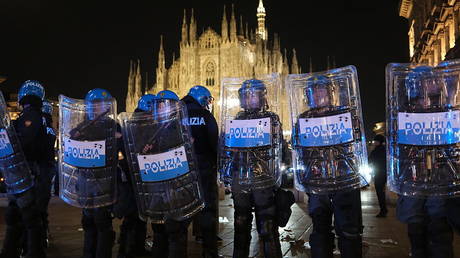
After months of massive turnouts targeting federal immigration enforcement actions, military deployments, and executive overreaches during Donald Trump's second term, organizers realized something crucial. Marching in public squares feels electric, but it doesn't change congressional math. With the upcoming midterm elections looming, the movement pivoted its massive grassroots infrastructure toward early voting. You might also find this connected coverage useful: Why The Milan Protests Reveal A Boiling Point Across Europe.
If you want to understand how grassroots politics actually works right now, you have to look past the signs and look at the voter rolls. Here is what the shift toward a voting-focused mobilization actually means for the political landscape.
The Strategic Pivot From Signs to Ballots
Massive demonstrations are great for morale, but they have a clear expiration date. When millions filled public spaces earlier this year to protest administration policies, critics often dismissed them as fleeting outbursts with no legislative teeth. As discussed in recent articles by Wikipedia, the results are notable.
Organizers listened to that critique and changed tactics. Instead of another traditional march, over 2,500 grassroots events took place with a singular focus: getting eligible citizens to cast their ballots before Election Day.
This means local chapters swapped megaphones for clipboards. Volunteers set up tables outside grocery stores, community centers, and suburban neighborhoods to check voter registrations, explain mail-in ballot deadlines, and hand out state-by-state information on voter ID requirements. It is unglamorous work, but it is precisely how durable political power gets built.
Bringing Block Parties to the Voting Booth
Voter turnout is notoriously difficult to drive up during midterms, especially when voters feel exhausted by relentless political noise. To combat apathy, the movement injected a distinct community vibe into the electoral process.
Instead of treating voting like a chore, local groups organized cookouts, fun runs, human chains, and music-filled caravans that led directly to early voting stations. By turning civic participation into a communal event, organizers managed to lower the psychological barrier to entry for first-time or infrequent voters.
When you make voting feel like a neighborhood gathering rather than a lonely trip to a drab basement, people show up. This community-first approach taps into a deep desire for connection among voters who feel isolated by political polarization.
Targeting Down Ballot and Ballot Measures
National politics always steals the oxygen, but the real impact of this mobilization lives further down the ballot. Voters aren't just thinking about Congress; they're confronting critical state-level decisions.
In states like Idaho, Nevada, and Virginia, reproductive freedom amendments are driving immense voter energy. Missouri voters are facing battles over previous constitutional protections. Meanwhile, local races for county commissions, state legislatures, and municipal judgeships—contests that often go entirely unchallenged—are suddenly seeing organized oversight and engagement.
Activists know that federal policies are ultimately shaped by state-level administrative machinery. By channeling the residual anger from previous rallies into concrete local campaigns, the movement is trying to reshape the foundations of American governance.
What Happens When the Smoke Clears
Shifting from protest to electoral mobilization is a high-stakes gamble. Street protests rely on raw emotion and immediate visibility. Voter turnout requires persistence, meticulous planning, and bureaucratic navigation.
If this strategy succeeds, it could redefine how modern political resistance operates in the United States. It proves that street-level movements can mature into disciplined electoral machines without losing their grassroots identity.
The real test won't be measured by how many people showed up with signs on a Saturday morning. It will show up on the tally sheets when early voting numbers are finalized. Check your registration status on official state portals, verify your deadlines, and make your plan today.