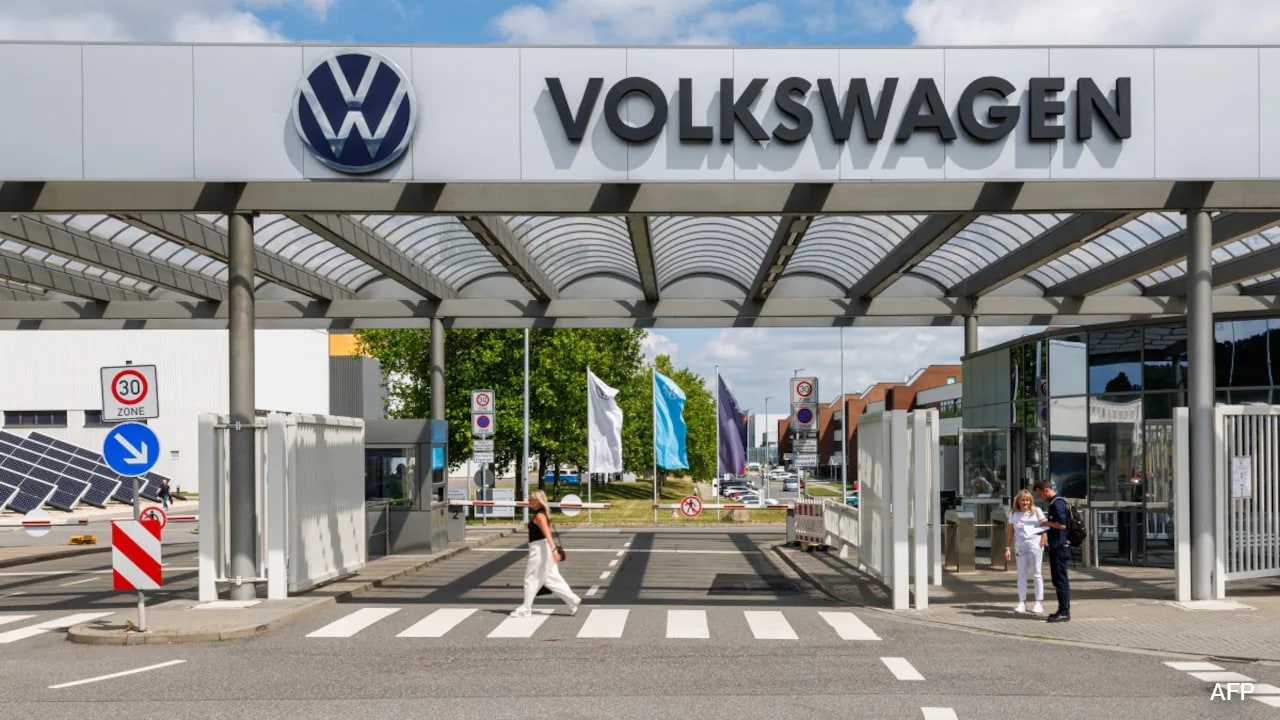
Seventy per cent. That is roughly the scale of the surplus capacity haunting European automotive plants right now, a brutal math problem that finally caught up to the continent's biggest carmaker. When Volkswagen signed off on a plan to slash 100,000 positions by the end of the decade, it wasn't just corporate maneuvering. It was a desperate survival reflex.
If you have been watching the traditional car industry, you already know the old rules of manufacturing do not work anymore. Chinese competitors are moving faster, building cheaper, and eating market share across Europe while margins shrink at home. Volkswagen chief executive Oliver Blume faced a choice between a painful restructuring or slow, expensive irrelevance. He picked the chainsaw.
The Real Cost of Stalling Out
People look at massive corporate downsizing numbers and focus entirely on the shock value. They miss the structural failure underneath. Volkswagen employs roughly 650,000 workers globally across iconic marques like Audi, Porsche, Lamborghini, and Skoda. Shedding 15 percent of that workforce changes the fabric of German industrial labor overnight.
The agreement avoids immediate plant bloodbaths by granting a temporary stay of execution for facilities in Emden, Zwickau, Hanover, and the Audi site in Neckarsulm. But that safety net comes with an expiration date. Production lines at those locations are slated to wind down sequentially between 2031 and 2034. Workers union IG Metall had to swallow a bitter pill to prevent an all-out industrial war. They traded plant closures for a staggered reduction of 50,000 additional jobs on top of previously planned cuts.
You cannot ignore the compounding pressures driving this choice. High energy costs in Europe, punishing tariffs in the United States, and plummeting demand in China squeezed profitability until something had to snap. BMW has felt the same heat, dialing back profit targets as geopolitical flashpoints disrupt Asian markets.
Slicing the Product Line in Half
Building too many things badly is a quick way to go broke. Volkswagen is responding by cutting its vehicle model portfolio by fifty percent. When you have overlapping designs and niche cars sitting on dealer lots while consumers shift toward streamlined electric alternatives, bloated engineering budgets become a liability.
Blume promised a three-figure billion investment sum over the next few years to revitalize core brands. But money alone cannot fix overcapacity. Analysts at Citi and Deutsche Bank called the restructuring brave and rational, pointing out that VW had zero alternative if it wanted to stay solvent. When you are bleeding cash to fund idle factories producing 500,000 unneeded cars a year, radical intervention is mandatory.
Yet, getting a supervisory board, regional politicians, and aggressive labor unions to agree on a compromise does not solve the underlying execution risk. Corporate governance structures in legacy manufacturing are notoriously sluggish. Turning a massive ocean liner around takes years, and competitors are moving at speedboat velocity.
What This Means for the Road Ahead
If you run a business or manage investments in the industrial sector, this moment serves as a clear warning. Brand loyalty and historical prestige do not shield companies from shifting global economics. When a manufacturing titan with the sheer scale of Volkswagen is forced to shrink its footprint by a tenth of a million workers, it proves that adaptation speed matters more than legacy size.
Expect smaller European suppliers and tier-two automotive parts makers to face secondary shockwaves as VW streamlines its supply chain. If you are watching your portfolio or planning career steps in manufacturing, look away from traditional assembly lines. The future belongs to companies that can pivot production models rapidly, automate effectively, and survive without relying on government protectionism or old monopolies.