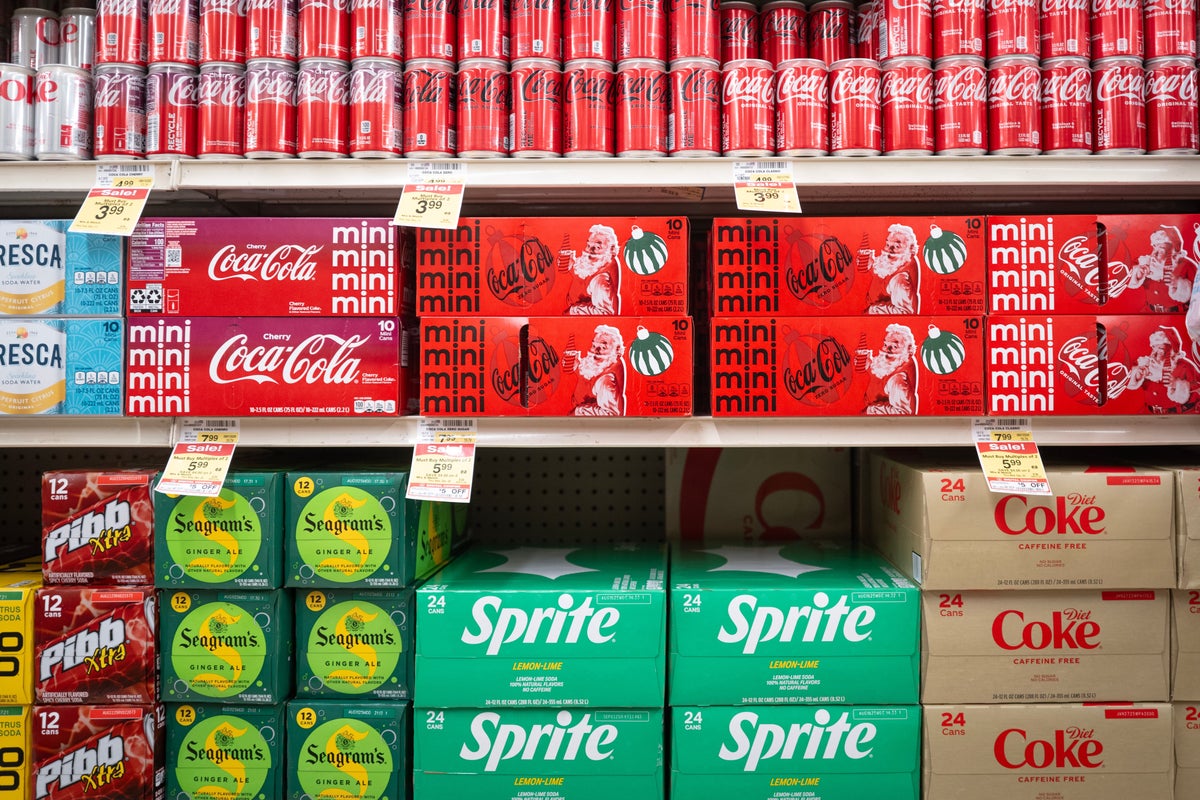
If you walk down the beverage aisle of a grocery store in a state with new food assistance rules, you will notice something strange. Shelves stocked with carbonated soft drinks are moving a lot slower. Soda sales are tanking, and a major policy shift is the exact reason why.
For decades, the Supplemental Nutrition Assistance Program allowed recipients to purchase practically any grocery item, including sugary soft drinks, candy, and energy drinks. Critics argued taxpayers were funding chronic illnesses like diabetes and obesity. Now, things are changing fast. More than 20 states have pursued or implemented federal waivers to ban soda and sugary drinks from being purchased with food stamps. For a deeper dive into similar topics, we recommend: this related article.
The impact on the beverage industry isn't just a minor blip. It is a massive structural shakeup.
What the Data Actually Shows
Economists and retail analysts spent years debating what would happen if the government restricted junk food purchases on assistance programs. Conventional economic theory suggested a simple substitution effect. Industry insiders assumed recipients would just pull out their own cash to buy their favorite soda if government benefits stopped covering it. For additional background on this development, comprehensive coverage can also be found on Financial Times.
They were wrong.
A joint working paper from researchers at Stanford University, the Massachusetts Institute of Technology, and the University of Chicago revealed that restricting soda under SNAP caused an immediate 12% drop in sugary drink purchases across the first wave of adopting states. That translates to roughly 34 fewer cans of soda per person annually.
Consumers aren't replacing those lost drinks with out-of-pocket spending. Market research firm Numerator estimated that state waivers will result in hundreds of millions of dollars in direct sales losses for soft drink manufacturers. In states where rules changed, soda purchase activity dropped twice as fast as it did in states without restrictions.
Why Out-of-Pocket Substitution Failed
When you are working with a tight monthly food budget, every dollar counts. SNAP benefits make up a huge portion of household grocery purchasing power. When soda gets stripped from the eligible items list, buyers face a stark choice. Do they spend precious personal cash on a luxury item, or do they reallocate those funds toward essentials?
Most choose essentials.
Data from market trackers like Ibotta show that only a small fraction of SNAP shoppers stick with their preferred brand using private funds. Brand loyalty collapses the moment price sensitivity spikes. Instead of buying a 12-pack of brand-name cola, shoppers are pivoting toward cheaper alternatives, powdered drink mixes, or skipping the aisle entirely.
Retailers are feeling the friction, too. Checkout lines slow down when items get rejected at the register, and grocery chains are forced to redesign planograms to make room for healthier items that actually clear the benefit rules.
The Public Health Debate and Legal Battles
Public health advocates are celebrating the shift. Proponents of the restrictions argue that government assistance should actively promote wellness rather than subsidize products linked to metabolic disease. Studies suggest that broad bans could shave billions off future healthcare costs by curbing heavy consumption of sugary beverages.
At the same time, the rollout is messy. Major beverage companies and retail associations have pushed back against the patchwork of state rules, citing implementation hurdles, technical point-of-sale confusion, and increased operational costs. Legal challenges are already piling up. In several jurisdictions, advocacy groups and recipients have filed lawsuits challenging the legality of the waivers, leaving the long-term future of these restrictions hanging in the balance.
Where the Beverage Market Goes From Here
Big Soda cannot rely on guaranteed baseline volume from government-funded purchases anymore. Giants like Coca-Cola and PepsiCo are aggressively shifting product mixes toward the store perimeter, focusing on fresh foods, zero-sugar options, and alternative beverages that comply with changing regulatory frameworks.
If you run a convenience store, manage a grocery supply chain, or invest in consumer packaged goods, ignoring this trend is a fast track to irrelevance. Look closely at your regional inventory, track state-level waiver approvals, and expect consumer habits to keep shifting as more states jump on board.