If you’re a student waiting for a visa interview right now, you aren't just stressed. You’re likely wondering if your entire academic year is about to go up in smoke. It’s a messy, frustrating reality for thousands of international students trying to reach American universities before the fall semester begins.
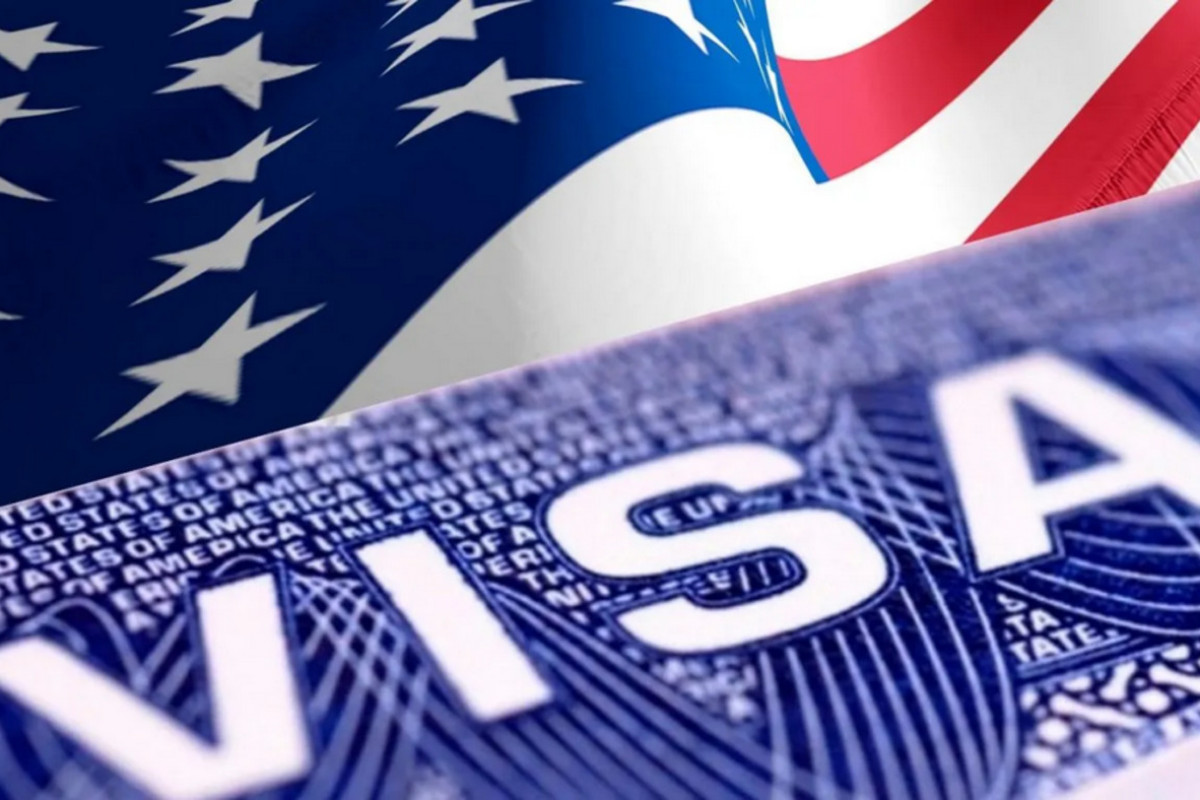
Recently, 30 U.S. Senators, led by Alex Padilla, sent a pointed message to the State Department. They’re demanding answers—and action—regarding the severe lack of available visa appointments for F, M, and J student and exchange visitor visas. They aren't just being nice about it, either. They’re calling out the fact that these delays are actively hurting American competitiveness.
The Real Cost of Administrative Failure
We’re talking about more than just paperwork. International students aren't just "extra" bodies on campus. They are a massive economic engine. During the 2024-2025 academic year alone, these students contributed nearly $43 billion to local communities and supported over 355,000 American jobs. When they can't get an interview, the local coffee shop, the university housing department, and the future tech workforce all take a hit.
The irony is thick. The U.S. markets itself as the premier destination for global talent, yet the bureaucratic gates are effectively jammed. Constituents are reporting that they simply cannot find a slot at various embassies and consulates. It’s a bottleneck that creates a "will they, won't they" anxiety that no student should have to endure right before a major life event.
What Actually Needs to Happen
The Senate group didn’t just complain; they offered a roadmap. They urged the State Department to do a few sensible things:
- Extend interview waivers for students who have already been vetted.
- Boost staffing at consulates that are currently drowning in applications.
- Improve transparency so students aren't left guessing if they’ll ever get a slot.
These aren't radical demands. They’re basic operational requirements for a system that claims to be efficient. The Senators gave them a 30-day deadline to explain exactly how they’re going to fix this mess.
The Regulatory Headache You Should Know About
Beyond the immediate appointment delays, there’s a new rule hitting the books that might change how you view your stay. As of September 15, 2026, the Department of Homeland Security is moving away from the old "duration of status" model for F students.
Instead, you’ll be admitted for a fixed period—typically the length of your program as listed on your I-20, capped at four years, with a little wiggle room for travel. If you need more time, you have to file for an extension with USCIS. If you're currently in the U.S. or planning to go, pay close attention to this. It’s a shift from a flexible status to a rigid, expiration-date-driven system.
Dealing with the Backlog
If you’re currently stuck in this system, honestly, it’s tough. The USCIS backlog hit record highs in fiscal year 2026, with millions of pending cases and a sharp drop in processing efficiency.
Don't wait until the last minute if you see an appointment window. Reach out to your university's international student office immediately. They often have direct lines to government stakeholders and might be able to help you navigate specific embassy hurdles. Keep your documentation pristine, monitor the State Department’s wait time tools daily, and stay in constant communication with your institution. The system is flawed, and you have to be your own strongest advocate while the government figures out how to clear the traffic jam.
This video provides important context regarding recent Senate hearings on these specific visa delays and the government's response to the growing crisis.