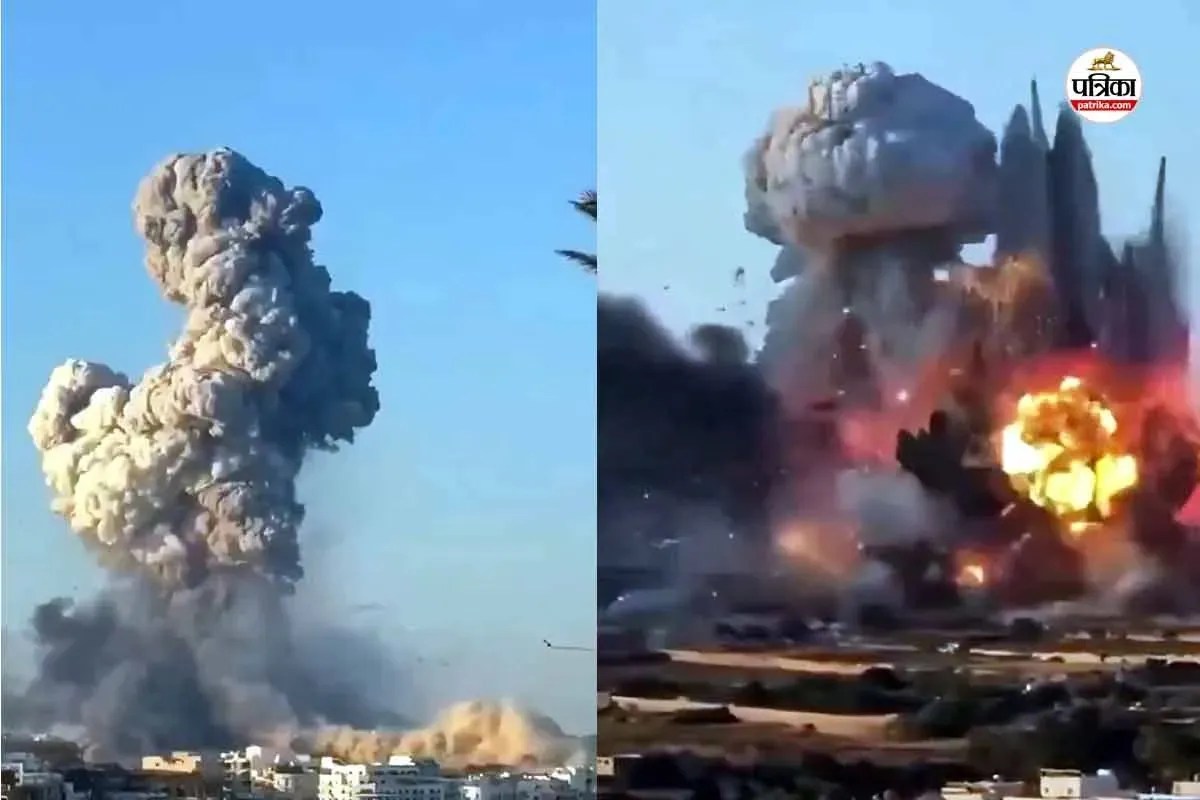
The temporary peace in the Persian Gulf did not even last two months. When the United States reimposed its naval blockade on Iran and launched a punishing daylight air campaign, any remaining hope for the Islamabad Memorandum of Understanding went up in smoke. It is a terrifying regression. Over the last few days, US airstrikes targeting Iranian facilities have claimed the lives of more than 30 people, according to Iranian government spokesperson Fatemeh Mohajerani. This is no longer just a shadow war. It's a direct, explosive confrontation that threatens to choke off a fifth of the world's energy supply.
If you are trying to understand why your gas prices are ticking upward or why geopolitical analysts are suddenly sounding the alarm, you do not need to look any further than the Strait of Hormuz. The regional back-and-forth has reached a boiling point. The US military has intensified its strikes to daylight hours—a highly aggressive operational shift—while Iran has explicitly threatened to halt all oil and gas exports from the entire Middle East. The stakes are incredibly high, and the room for diplomatic maneuvering is practically gone.
The Shredded Peace Deal and the New Battle of the Strait
The roots of this current flare-up go back to April, when the US first imposed a strict naval blockade on Iranian ports. That blockade was briefly lifted in June after both sides signed an interim deal brokered by Pakistan. The Islamabad Memorandum of Understanding was supposed to provide a 60-day window for negotiations over Iran's nuclear program and regional security.
Instead of negotiating, both sides spent those weeks repositioning.
Talks quickly stalled. Iran began targeting commercial shipping lanes near Oman—routes overseen by the US military that bypass Iranian-controlled waters. When those shipping lanes came under fire, the interim deal died.
The US military response was immediate and sweeping. Within 17 hours of restoring the blockade on Iranian ports, US Central Command confirmed that its forces had already intercepted and "redirected" two commercial ships trying to run the blockade. Central Command made its stance very clear on social media, stating that the military is prepared to ensure full compliance by any means necessary.
This is not a symbolic blockade. It is an active, aggressive enforcement campaign backed by immense firepower.
Over 30 Dead as Air Strikes Hit Key Iranian Cities
The human toll of these strikes is rising rapidly. Iranian government spokeswoman Fatemeh Mohajerani announced that more than 30 people have died in southern Iran over the last few days of US attacks. Meanwhile, Iran's Health Ministry reported that more than 260 people have been injured across the country in the latest wave of airstrikes.
The geographic distribution of the US targets shows a clear strategy of degrading Iran's conventional military infrastructure and missile defense capabilities.
- Sistan and Baluchestan Province: US missiles targeted a barracks belonging to Iran's 388th Mechanized Infantry Brigade. The brigade operates heavy tanks and armored vehicles. According to Iranian state television, the US fired at least 13 missiles at this single facility, killing at least seven troops, including both conscripts and career soldiers, while wounding dozens more.
- Greater Tunb Island: Located in a highly strategic position in the Strait of Hormuz, this island was hit heavily. Central Command confirmed the strikes targeted active Iranian air defense and anti-ship missile sites.
- Bushehr: The southern port city, which houses Iran's only civilian nuclear power plant, came under attack for two consecutive days. Local officials confirmed that three distinct locations in Bushehr were targeted by US missiles. While the local governor claimed there were no immediate injuries from the Wednesday morning strikes, hitting targets so close to a nuclear facility represents a massive escalation in risk.
The US military has also broken with traditional patterns by conducting daylight strikes. Normally, operations of this nature are carried out under the cover of darkness to minimize risk to aircraft and maximize surprise. Moving to daytime bombardments suggests that US commanders are confident in their air superiority and want to keep constant, unrelenting pressure on Iranian forces.
The Brewing Storm Over Global Energy Corridor
Iran's paramilitary Revolutionary Guard did not take these strikes sitting down. Almost immediately after the blockade was restored, the group issued a chilling ultimatum to the international community: "The export of oil and gas from the region will be either for everyone or for no one."
This is a direct threat to the Strait of Hormuz, the world's most critical energy transit choke point. During peacetime, roughly 20 percent of the world's petroleum and liquefied natural gas passes through this narrow waterway. If Iran successfully shuts down the strait, the global economy will feel the shockwaves within days.
The US has repeatedly asserted that it will keep the strait open by force if necessary. However, naval and military experts understand that doing so is much harder than it sounds. Fully securing the waterway against Iranian mines, fast-attack civilian boats armed with explosives, and shore-to-ship missiles would require a massive naval armada and potentially tens of thousands of ground troops to secure the coastlines. It is not a simple patrolling job; it is an incredibly complex, high-risk military operation.
As a result, global oil prices are already reacting to the threat of a prolonged supply disruption. Traders are pricing in the very real possibility of a blockaded gulf, and those costs will inevitably trickle down to consumers.
What Happens Next in the Persian Gulf
The conflict is already spilling over Iran's borders. As the US pounded targets on Iranian soil, sirens wailed in Bahrain. Neighbors like Kuwait and Jordan reported intercepting hostile drones and missiles launched from within Iran.
The Islamic Revolutionary Guard Corps claimed it successfully targeted American military facilities in Bahrain and Kuwait, while launching a wave of one-way attack drones at a base in Jordan known to host US fighter jets.
We are looking at a regional powder keg where a single miscalculation could drag the entire Middle East into a multi-front war. The short-lived diplomacy of the Islamabad MoU is officially dead.
For businesses and governments worldwide, the immediate next steps are clear. Energy supply chains must be diversified away from the Persian Gulf transit routes immediately. Shipping companies must prepare for prolonged detours around Africa or face astronomical insurance premiums in the Middle East. With the US showing no signs of backing down on its blockade and Iran threatening to burn down the regional energy sector, the era of stable energy prices is temporarily behind us. Keep a close eye on the shipping lanes of Hormuz, because what happens there over the next 48 hours will dictate global market stability for the rest of the year.