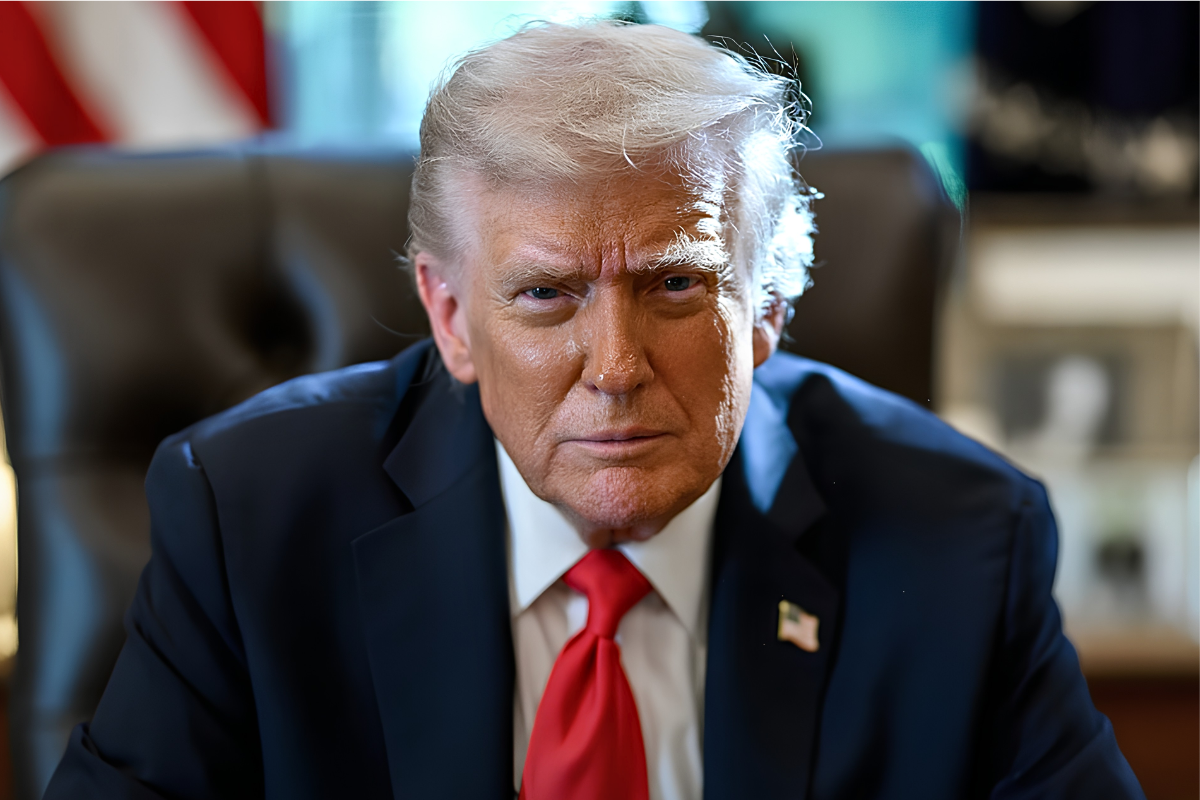
Donald Trump isn't interested in holding another photo-op summit with Vladimir Putin just for the headlines.
Speaking to reporters from the Oval Office, the US President made his conditions crystal clear. He's ready to sit down with the Russian leader again, but only when Moscow is actually prepared to hammer out a real peace deal to end the grinding war in Ukraine.
You can arrange a high-level meeting tomorrow if you want to talk about nothing. Trump knows that. That's why he's drawing a hard line. He wants any future Trump Putin summit to carry the genuine weight of a closing chapter rather than turning into another diplomatic stalemate.
The Timing Problem in Modern Diplomacy
Most foreign policy commentators miss the strategic calculus behind presidential summits. They look at a meeting as the engine of peace. Trump treats it more like the ribbon-cutting ceremony at the very end of construction.
He told reporters at the White House that he believes Putin would agree to a meeting immediately. Yet, he is holding off on purpose.
"I want to do it when that war is ending," Trump said.
That distinction matters. Back in August 2025, Trump and Putin met face-to-face in Alaska. It was the first direct encounter between a US and Russian leader since the 2022 invasion. That summit generated plenty of media buzz and mutual understanding on certain security points, but it didn't produce a signed ceasefire or a definitive peace treaty.
Trump learned from that experience. He doesn't want another round of talks that ends with handshakes and zero concrete movement on territorial lines or security guarantees. If you're going to put two powerful adversaries in the same room, you need the pressure cooker of imminent defeat or exhaustion to force concessions.
The Business Angle and Global Relations
Trump evaluates international diplomacy through an economic lens as much as a geopolitical one. During his recent remarks, he didn't hide his motivation to restore commercial stability.
"We want to have good relationship with Russia, Ukraine, with everybody. Be great for business," he noted.
Sanctions, broken supply chains, and the sheer cost of reconstruction have created massive friction points for global markets. Trump's transactional approach assumes that once the shooting stops, both sides will realize that rebuilding economic ties outweighs the ongoing cost of artillery fire.
Of course, getting Kyiv and Moscow to that point remains an uphill battle. There's deep-rooted animosity between Vladimir Putin and Ukrainian President Volodymyr Zelenskyy. Closing that gap requires immense diplomatic leverage, which Washington is trying to apply through ongoing trilateral discussions and backchannel communications.
What History Tells Us About Presidential Direct Talks
Critics often argue that meeting with autocrats grants them legitimacy without extracting immediate concessions. Supporters counter that talking is better than shooting, and personal rapport can sometimes bypass bureaucratic deadlocks.
Trump frequently points back to his first term in office, spanning from 2016 to 2020. He maintains that the Russia-Ukraine conflict would never have erupted if he had remained in the White House.
"There's tremendous animosity between the two presidents, tremendous animosity. But I think it's going to be pretty close; it's going to be time," Trump explained regarding the current state of affairs.
Whether his assessment holds up against the brutal realities on the ground in Eastern Europe is another question entirely. Territorial disputes, security architectures, and war crimes investigations complicate any quick fix.
Where the Peace Process Goes From Here
If you want to understand how this plays out, watch the preparatory talks rather than waiting for an official summit announcement. US and Ukrainian officials have been holding substantive rounds of negotiations, focusing heavily on trilateral frameworks that eventually have to pull Moscow into the loop.
Zelenskyy's administration faces intense pressure from domestic constituencies regarding any potential territorial compromises, while Putin continues to test Western resolve on the battlefield.
Trump's refusal to rush into another summit signals to both capitals that the United States won't provide an easy diplomatic escape hatch until real compromises are on the table. The ball is firmly in Moscow's court to show it's ready for a genuine settlement. When that moment arrives, the next summit won't just be a photo opportunity. It will be the place where the war finally stops.