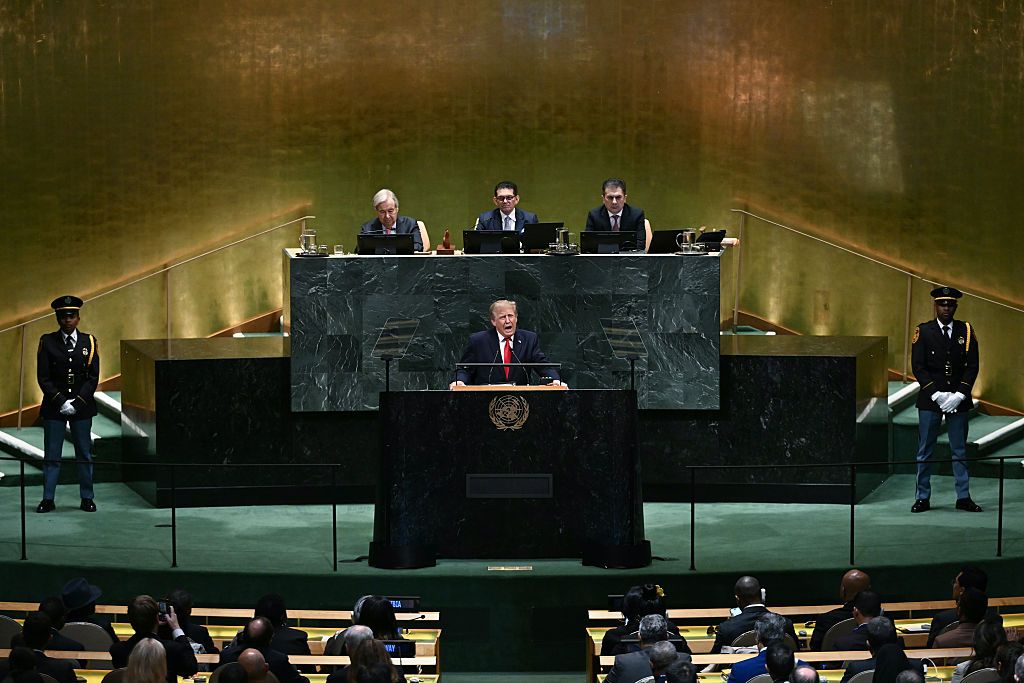
Donald Trump doesn't do nuance. Standing at the podium during the 81st United Nations General Assembly in New York, the U.S. president laid out a stark binary choice for Tehran. He can either sign a sweeping diplomatic agreement that lets the nation rebuild into an economic powerhouse or drive the country straight into a path of total destruction. It's a classic high-stakes pressure tactic, blending maximum military coercion with the persistent promise of an off-ramp.
If you're trying to figure out what's really driving this diplomatic theater, you have to look past the fiery rhetoric. The war in West Asia has already dragged on for months, rattling global markets, sending fuel costs climbing, and casting a massive shadow over upcoming American midterm elections. Trump wants a win, but he wants it on his own terms. Let's break down what's actually happening behind the scenes at the U.N. and why the timeline for ending this conflict might be closer than you think. Expanding on this theme, you can also read: Why Iran's Latest Missile Threats Change Everything Right Now.
The Coercive Rhetoric Behind the U.N. Speech
Trump's address didn't mince words. He framed the ongoing military campaign as an absolute necessity born from failed prior negotiations over Iran's nuclear infrastructure and regional proxies. According to his administration, the core objective has been neutralizing Tehran's navy, degrading missile and drone manufacturing capabilities, and crippling its economic leverage.
Yet, right after floating threats to "annihilate" the Islamic Republic, Trump shifted gears. He explicitly raised the prospect of a negotiated settlement. This duality is his signature negotiating style. He applies suffocating pressure—calling on the international community to enforce total economic isolation—while dangling the carrot of future prosperity. Experts at Reuters have provided expertise on this trend.
The Iranian delegation wasn't around to listen to the live broadcast from the assembly floor, walking out early in response. But backroom diplomacy was already moving. Reports surfaced that close advisers like Jared Kushner and special envoy Steve Witkoff held sideline meetings with Iranian interlocutors. Trump himself confirmed these talks, offering a characteristic teaser: they had a good meeting, and time will tell how it pans out.
Why the Post-Election Timeline Matters
One of the most revealing parts of Trump's U.N. appearance was his explicit timeline for a potential deal. He predicted that an agreement would materialize right after the U.S. midterm elections in November. Why? Because he believes Tehran's leadership is waiting to see how the political winds shift in Washington.
That perspective reveals domestic political reality. High fuel prices and prolonged military engagements are heavy anchors for any incumbent party facing congressional midterms. Voters are feeling the pinch at the pump, and economic anxiety is dictating political survival. By pointing to a post-election window, Trump is signaling to both domestic critics and foreign adversaries that a pragmatic compromise becomes much easier once the immediate domestic ballot pressure clears.
At the same time, the administration is juggling multiple international flashpoints. While the Iran campaign dominates the spotlight, Trump is also pushing to close a broader peace framework for Gaza, managing ongoing fallout from the Russia-Ukraine war, and even securing separate defense agreements up north in Greenland. The sheer volume of foreign policy deals he claims to have engineered forms the backbone of his "peacemaker" narrative.
What the Oil Markets and Global Observers Are Watching
Energy markets react instantly to every shift in this diplomatic dance. Whenever the rhetoric turns hostile, crude futures spike. Whenever a diplomatic opening appears, prices stabilize. The Strait of Hormuz remains a critical bottleneck for global energy supplies, and any sustained threat to commercial shipping directly impacts consumers worldwide.
Trump used his U.N. platform to issue a stern warning to anyone attempting to hold global oil supplies hostage, promising an even harsher response if transit is disrupted. Simultaneously, his administration is reportedly weighing complex trade maneuvers and secondary sanctions adjustments to manage global energy flows.
Critics, however, point out the alarming nature of threatening total destruction at an institution explicitly founded to prevent global atrocities. Human rights advocates and international law experts have flagged the aggressive language as legally and ethically explosive. The friction between U.N. member states and Washington's unilateral approach continues to deepen, especially given Trump's broadside against institutions like the International Criminal Court and his cuts to the U.N. budget.
Ultimately, the confrontation at the United Nations exposed a familiar pattern. Trump is doubling down on his hardline posture because he believes it forces adversaries to the negotiating table. Whether that brinkmanship yields a lasting diplomatic breakthrough or simply prolongs a dangerous standoff will depend entirely on what happens behind closed doors in the coming weeks.