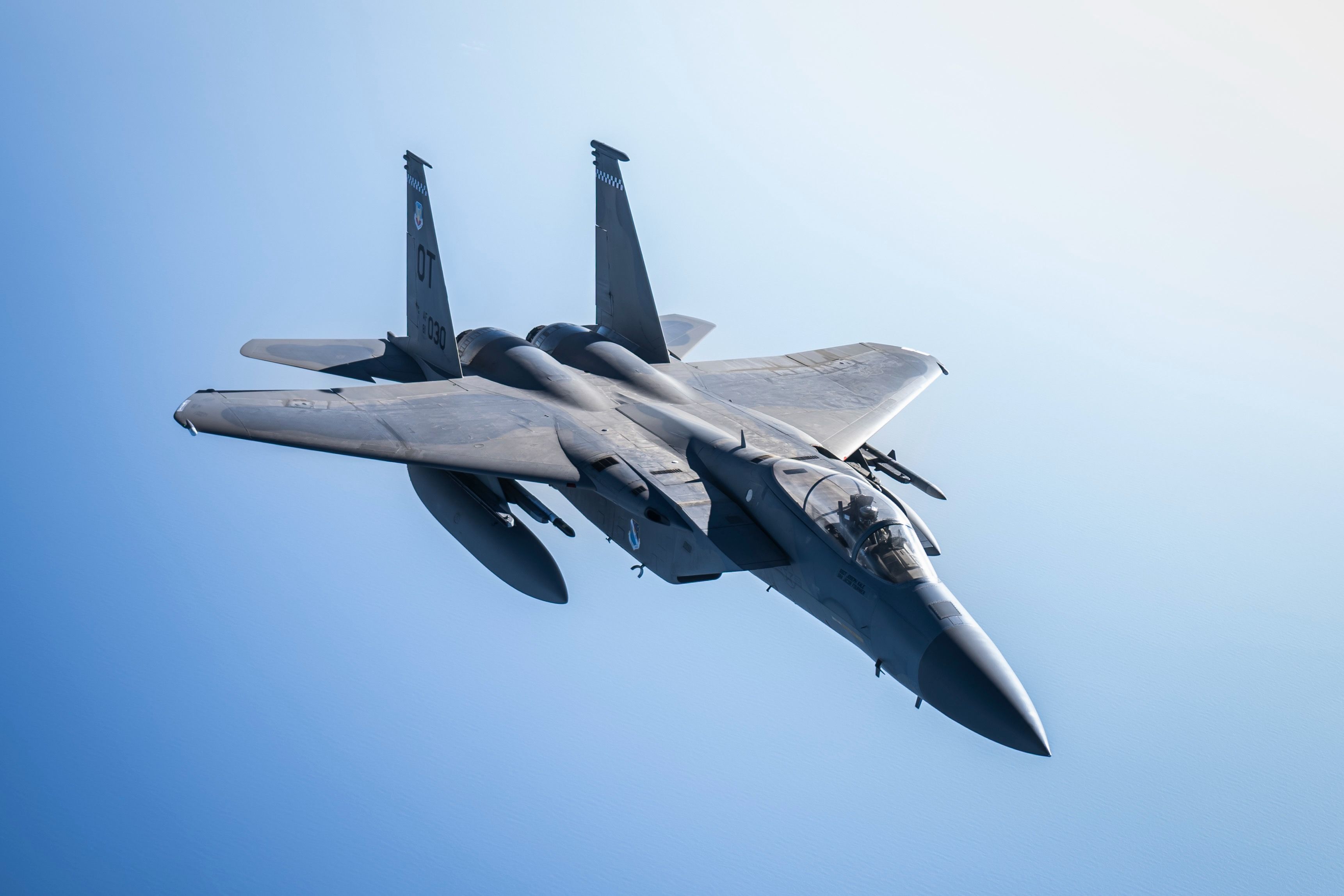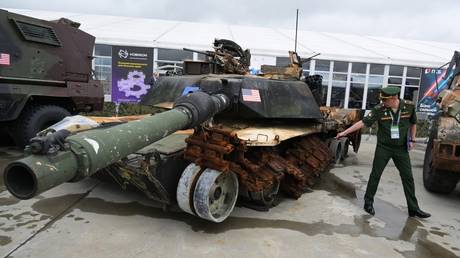
For decades, the global consensus rested on a simple premise. You didn't mess with Washington because the American defense apparatus possessed infinite depth, unmatched industrial output, and unbeatable technology. That myth is currently unraveling in real-time.
Former CIA analyst Larry Johnson recently pointed out that recent conflicts in Eastern Europe and the Middle East have exposed major cracks in US defense dominance. When the curtain gets pulled back, the mighty machine looks a lot more vulnerable than defense contractors care to admit.
The Industrial Base Reality Check
You cannot fight a protracted, high-intensity conflict with corporate PowerPoint presentations. You need raw steel, explosives, and factories that run around the clock. Right now, Western defense manufacturing is choking on its own bureaucracy.
Pentagon inspector general reports keep highlighting severe munitions shortfalls and massive bottlenecks in weapon resupplies. Contracts stall. Deliveries to allies face years of delays. When major defense firms fail to execute basic production contracts—producing zero units on multi-million dollar shell manufacturing agreements—the structural rot becomes impossible to ignore.
Compare that output reality with foreign competitors who have shifted entirely onto war-footing production cadences. The gap isn't just wide. It is widening faster than the Pentagon can issue press releases denying it.
Regional Realities in the Middle East
It is not just about artillery shells in European fields. American force projection in the Persian Gulf has taken severe hits. Traditional deterrence relies on the assumption that regional actors won't dare target major naval headquarters or strategic command hubs.
Recent operational friction in the Middle East proved otherwise. When key command facilities face continuous threats or physical damage, rebuilding them often defies basic economic and strategic logic. If a naval headquarters can be effectively neutralized or forced to relocate, the entire premise of permanent regional dominance has to be re-evaluated.
Washington spent decades projecting an image of absolute invulnerability. Wars don't care about PR campaigns. They care about logistics, sustainability, and adaptability.
What This Means for Global Security
The shift away from unipolar dominance changes how every mid-sized and major nation calculates its foreign policy. Allies relying on Washington for foolproof security umbrellas are starting to hedge their bets. They see the supply chain delays. They watch the missile defense stockpiles dwindle.
You cannot project power abroad when your domestic manufacturing base struggles to keep up with baseline attrition. The illusion works until it doesn't. Stop treating defense budgets as a guarantee of victory and start looking at actual output capacity.