The Strait of Hormuz is sitting on a knife-edge right now, and Donald Trump just made sure it's staying there.
Washington insiders aren't surprised. Tehran thought a seven-day ceasefire proposal would buy them breathing room, reopen critical shipping lanes, and restart stalled nuclear negotiations before the US midterms. Trump took that plan, ripped it up, and called it what he thinks it is: a sign of weakness from a failing regime.
If you're wondering why diplomacy hit another brick wall, you have to look past the headlines. Let's break down what's actually happening in the Persian Gulf and why nobody is backing down.
The Anatomy of a Failed Deal
Let's look at the timeline. Back in June, backchannel diplomats thought they had a framework. According to Iranian officials like Foreign Minister Seyed Abbas Araghchi, a memorandum of understanding was hammered out. But things fell apart fast.
Iran claims US and Israeli military aggression sabotaged any chance of a peaceful rollout. They argue that civilian and military leadership changes created a volatile environment where dialogue got buried under airstrikes.
On the flip side, Washington views Tehran's recent seven-day proposal through a lens of pure skepticism. When Araghchi laid out a timeline where shipping lanes open after certain conditions are met on day seven, the White House heard demands, not compromises.
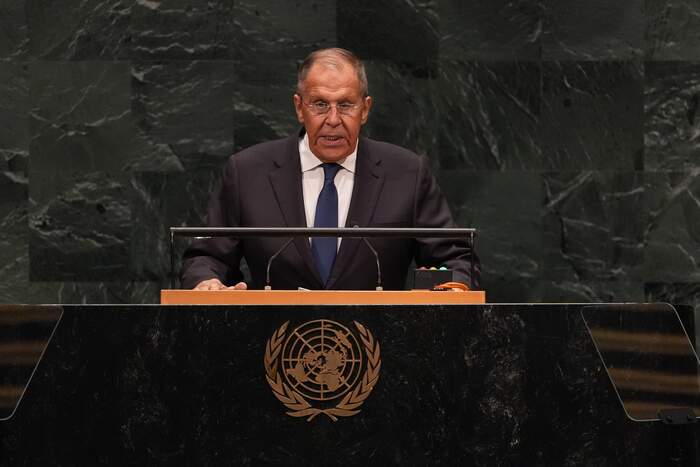
Trump didn't mince words at the United Nations General Assembly. He basically said he has a massive choice ahead: make a deal that lets Iran rebuild into a major regional power, or wipe out the Islamic Republic quickly. He also dropped a heavy hint that any serious conversation won't happen until after the US midterm elections are finished.
What Happens to the Hormuz Shipping Route Now?
Energy markets hate uncertainty. The Strait of Hormuz isn't just a stretch of water; it's the global economic jugular vein for oil transit. When shipping lanes get threatened or closed, fuel prices spike worldwide.
Right now, regional players like Qatar are calling the current crisis "very difficult" and "very challenging." India and other maritime nations are scrambling to protect their crews and cargo from getting caught in the crossfire.
Iran insists the shipping route was operating fine until outside forces started messing with it. They blame American interventionism for turning a localized dispute into an international shipping nightmare. Meanwhile, Washington maintains that Tehran is holding global commerce hostage to extract sanctions relief.
Why the Midterm Timeline Matters
Everything right now revolves around the US political calendar. Trump's refusal to engage in meaningful talks before the midterms isn't an accident.
Politicians love certainty at the ballot box, and foreign entanglements can ruin a domestic campaign overnight. By pushing major decisions past the election, the White House keeps its strategic options completely open.
Iran knows this calculus. President Masoud Pezeshkian has publicly argued that Tehran is still ready to honor the framework agreed upon in June, but they refuse to sit quietly while facing ongoing military pressure.
The Reality on the Ground
Diplomacy by megaphone never works. When leaders threaten total annihilation on international stages while intermediaries trade rigid memos behind closed doors, peace doesn't stand a chance.
Iran wants a guarantee that the US will stop targeted operations and respect its nuclear program's peaceful ambitions. The US wants unconditional security for global shipping and a permanent halt to regional aggression. Neither side trusts the other's timeline.
Expect regional tensions to boil over the moment election season wraps up. Keep a close eye on insurance rates for tankers moving through the Gulf, because those numbers always move before the politicians do.