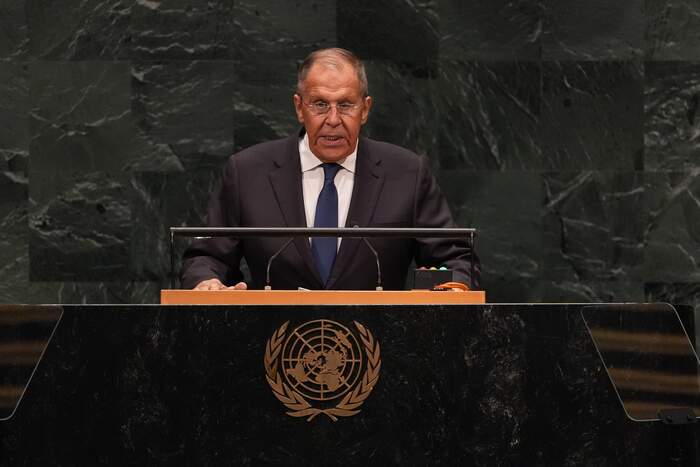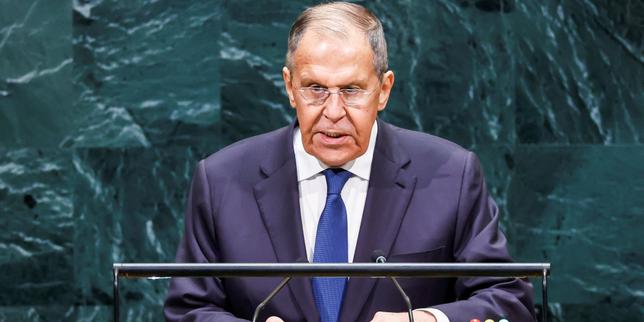
Diplomatic friction at the United Nations has reached a boiling point. Russian Foreign Minister Sergei Lavrov took to the podium in New York to fire a direct shot at European capitals, accusing them of systematically undermining any potential path toward a negotiated settlement in Ukraine. According to Moscow, European leaders are actively throwing wrenches into diplomatic efforts—particularly those favored by the Trump administration—preferring a prolonged conflict over a compromised peace.
If you look past the standard political rhetoric, this high-stakes clash exposes a deep, irreconcilable rift between Washington's shifting diplomatic posture and Brussels' hardline stance. Europe isn't just reacting to the war anymore; it's heavily invested in ensuring that any future negotiations don't happen on terms that leave Russia rewarded.
The Core Accusation Against Brussels
Lavrov's argument at the UN was blunt. He claimed that European nations are "doing everything" to thwart peace talks, using military aid as a lifeline to keep Kyiv fighting while simultaneously avoiding meaningful compromises. From Moscow's perspective, European governments fear a rushed diplomatic deal that could freeze front lines and leave large swathes of Ukrainian territory under Russian control permanently.
Yet, the European strategy is rooted in a completely different calculus. European leaders argue that a premature ceasefire is nothing more than a tactical breathing space for the Kremlin. They believe that halting hostilities without ironclad security guarantees would simply allow Russian forces to rearm, regroup, and launch a renewed offensive down the road.
This creates a vicious cycle. Every time diplomatic whispers grow louder, the military posturing on both sides intensifies.
Behind Closed Doors and Diplomatic Freezes
The tension at the UN wasn't confined to public speeches. In a rare and striking diplomatic development, German Foreign Minister Johann Wadephul held a closed-door meeting with Lavrov. It was the first face-to-face encounter between top German and Russian diplomats since January 2022—just weeks before the invasion began.
The meeting lasted barely twenty minutes, and it didn't yield a breakthrough. Berlin used the encounter to condemn ongoing Russian hybrid assaults and sabotage operations across European soil, including a recent attempted drone attack targeting Leipzig airport. Germany made it clear that diplomatic friction and rising espionage incidents will not dilute its resolve to back Ukraine.
At the same time, Moscow continues to signal that while it remains open to discussing a permanent resolution, it will refuse any proposal that involves freezing the conflict temporarily. Lavrov made it clear that Russia will not pause its military operations for the sake of talks, rendering traditional ceasefire frameworks dead on arrival.
What Most People Miss About the 2026 Diplomatic Landscape
Most mainstream commentary treats the diplomatic deadlock as a simple communication failure. It's not. The divide is structural.
- The U.S. Factor: With the Trump administration signaling an appetite for rapid diplomatic exits or transactional peace deals, European capitals feel dangerously exposed. A settlement negotiated over their heads threatens European security architecture.
- The Resupply Dilemma: Russia openly accuses Europe of wanting a truce solely to replenish depleted Ukrainian arsenals. Conversely, Europe accuses Russia of using peace talks as a smokescreen for territorial annexation.
- The Breakdown of Trust: With consulates closing, mutual expulsions, and accusations of sabotage flying from Berlin to Moscow, the baseline trust required for backchannel diplomacy barely exists.
Where This Leaves the Conflict
We are looking at a prolonged war of attrition defined by diplomatic theater. As long as Moscow insists on pressing its military advantages on the ground while rejecting ceasefires, and as long as Europe views every peace proposal as a trap, meaningful negotiations will remain out of reach.
If you are tracking where this conflict goes next, watch the shifting dynamics between Washington and its European allies rather than the public declarations at the UN. The real battle isn't just happening in the trenches of eastern Ukraine; it's being fought over whether the West can maintain a unified front as fatigue sets in.