The headlines keep screaming about incoming missiles, collapsing currencies, and sudden presidential threats. You turn on the news and hear Washington talking about limited strikes while Tehran promises a mysterious new playbook. Honestly, it's exhausting. But beneath the political posturing lies a much more dangerous reality that most analysts are completely ignoring. The escalation in West Asia isn't just about a few targeted sites or dramatic speeches; it is a structural crisis reshaping global trade routes and energy markets in real time.
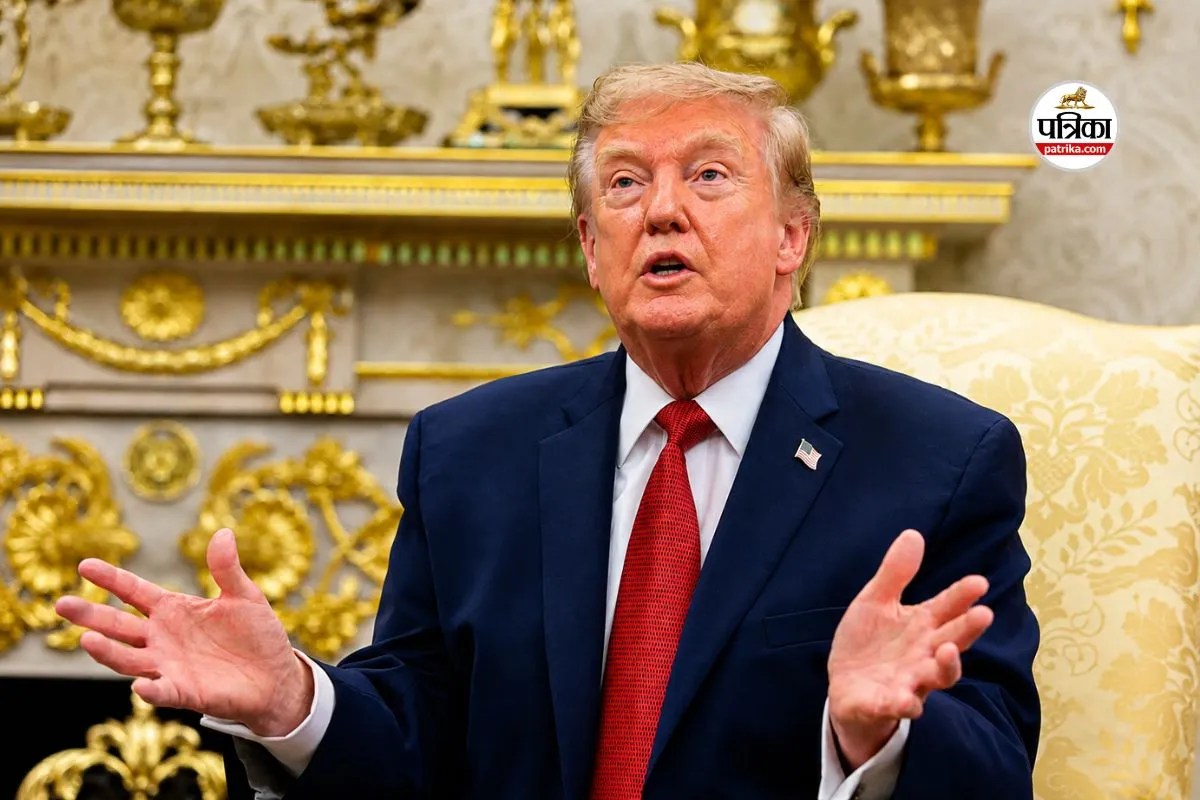
When Donald Trump recently stepped up to claim that the conflict with Iran won't drag on forever, he missed the point entirely. Wars don't care about political timelines. When American military command targets radar systems and defensive infrastructure near the Strait of Hormuz, they trigger an immediate reaction from a regime that has spent decades perfecting asymmetric warfare. You cannot poke a hornet's nest and expect the hornets to just disperse politely.
The Strait of Hormuz Chokepoint
Let's talk about the geography. The real leverage in this conflict has always been water, not air. The Strait of Hormuz handles a massive chunk of the world's petroleum supply. Every time tensions spike, shipping insurance rates skyrocket, energy traders panic, and ordinary people around the globe pay more at the pump.
Tehran knows this better than anyone. When Iranian officials warn about a brand-new strategy, they aren't just talking about launching more drones. They are looking at economic disruption, maritime choke points, and asymmetrical retaliation that bypasses conventional battlefield rules. If you think this is just a quick exchange of missiles that will wrap up neatly before next month's elections or economic summits, you are kidding yourself.
The Human Cost Behind the Political Posturing
Numbers on a screen never tell the full story. Local reports coming out of areas like Kuhastak in southern Iran paint a grim picture of civilian infrastructure taking direct hits during active military operations. While military spokespersons in Washington routinely deny targeting civilians, families burying their dead in bombed neighborhoods don't care about military semantics.
This brings us to the core contradiction of modern warfare. Leaders promise precision, but chaos is always the final output. When infrastructure collapses, hospitals fill up with dozens of wounded citizens, and local economies flatline. Hardliners in Tehran use these tragedies to rally public sentiment, completely shutting down any internal dissent against the regime. Every bomb dropped inadvertently hands the Iranian leadership a fresh excuse to tighten domestic control and accelerate their nuclear ambitions.
What Washington Gets Wrong About Tehran's New Strategy
There is a dangerous assumption in Western policy circles that economic sanctions and occasional kinetic strikes will eventually force Tehran to surrender at the negotiating table. History proves this wrong every single time.
Sanctions don't trigger democratic uprisings; they create survival economies. They force rogue states to lean harder on illicit oil smuggling, cyber warfare, and proxy networks. Tehran's upcoming strategy focuses heavily on blending conventional military deterrence with non-linear tactics—meaning economic sabotage, cyber attacks on regional infrastructure, and covert operations that are terribly difficult to trace or retaliate against directly.
You cannot bully an isolated nation into submission when their ruling elite believes their literal survival is on the line.
Where Global Markets and Energy Security Go From Here
If you are trying to figure out how to protect your investments or simply understand why your cost of living keeps creeping up, pay attention to the Persian Gulf. Energy independence in North America has insulated some economies, but oil is traded on global sentiment. A prolonged standoff in the Middle East acts as a permanent tax on the global economy.
Stop waiting for a clean diplomatic resolution. Watch the shipping lanes. Watch the insurance premiums on supertankers. When those numbers spike, the real war has already started. Keep your portfolio diversified, stay cynical about politicians promising quick victories, and prepare for a long, grinding period of global instability.