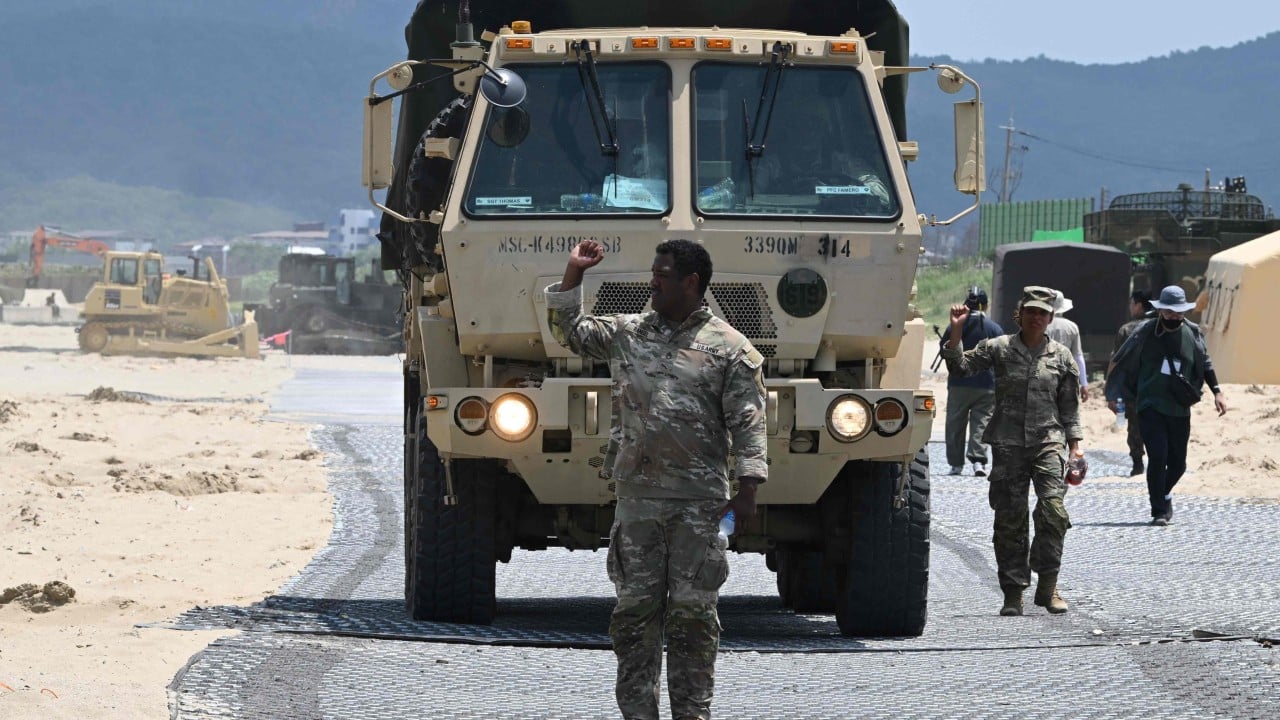
Seoul wants to trade technology, not bullets, with its neighbors. Washington, however, keeps drawing South Korea deeper into a rigid geopolitical chess match.
When the US military pushes forward with specialized cyber unit expansions across the Indo-Pacific, it creates an immediate diplomatic headache for South Korea. You can't comfortably walk a tightrope when one of your closest allies demands you strap heavy offensive cyber tools onto your back. South Korea relies heavily on trade with Beijing, yet it depends on American nuclear and conventional deterrence to sleep at night. Walking this thin line is becoming nearly impossible as digital battlegrounds replace traditional frontlines.
The Real Cost of American Cyber Strategy
The Pentagon's push for integrated multi-domain operations and offensive cyber capabilities leaves little room for regional neutrality. South Korean leaders face an uphill battle. If they integrate too closely with aggressive US cyber postures, Beijing responds with economic retaliation. If they pull back, Washington accuses them of weakening the bilateral alliance.
Recent discussions around aligning national cybersecurity frameworks highlight this underlying tension. While the US strategy emphasizes aggressive deterrence and proactive network disruption, Seoul tries to manage domestic economic priorities, artificial intelligence development, and complex trade ties with China.
- Economic Exposure: South Korea sends roughly a quarter of its exports to China.
- Security Dependency: US Forces Korea remains the anchor of the peninsula's defense architecture.
- Asymmetric Vulnerabilities: North Korean cyberattacks targeting critical infrastructure hit a five-year high, leaving Seoul scrambling for defenses without wanting to trigger regional escalation.
Navigating the Digital Trap
You need to understand why this dynamic hurts Seoul's long-term diplomatic leverage. For decades, South Korea managed its security through strategic ambiguity regarding broader regional conflicts. Washington's focus on integrating allies into a unified digital front line chips away at that ambiguity.
Cyber operations are inherently opaque. It is tough to separate defensive monitoring from offensive intrusion. When specialized foreign units operate from or coordinate closely with bases on the peninsula, Beijing views those digital nodes as direct threats to its own infrastructure. Seoul gets caught in the crossfire of code.
Joint exercises like Cyber Flag help allied forces practice threat detection and incident response. Yet, stepping up operational integration forces South Korea to choose sides in a broader technological cold war.
What Comes Next for the Alliance
Seoul must clearly define its red lines. Total alignment with every directive coming out of Washington risks alienating its largest trading partner beyond repair. At the same time, ignoring American security concerns destroys the alliance that guarantees its survival.
Policymakers in Seoul need to focus on defensive resilience, domestic AI capabilities, and intelligence sharing that remains strictly localized. Stop pretending you can appease everyone in a polarized digital age. Prioritize national infrastructure protection, build independent technical capacity, and refuse to become a proxy outpost for offensive cyber wars you didn't start.
Redefining the U.S.-South Korea Partnership on Nuclear and Cyber Cooperation
This video provides valuable insights into how evolving bilateral discussions on cybersecurity and strategic alignment impact the broader relationship between Washington and Seoul.
http://googleusercontent.com/youtube_content/1