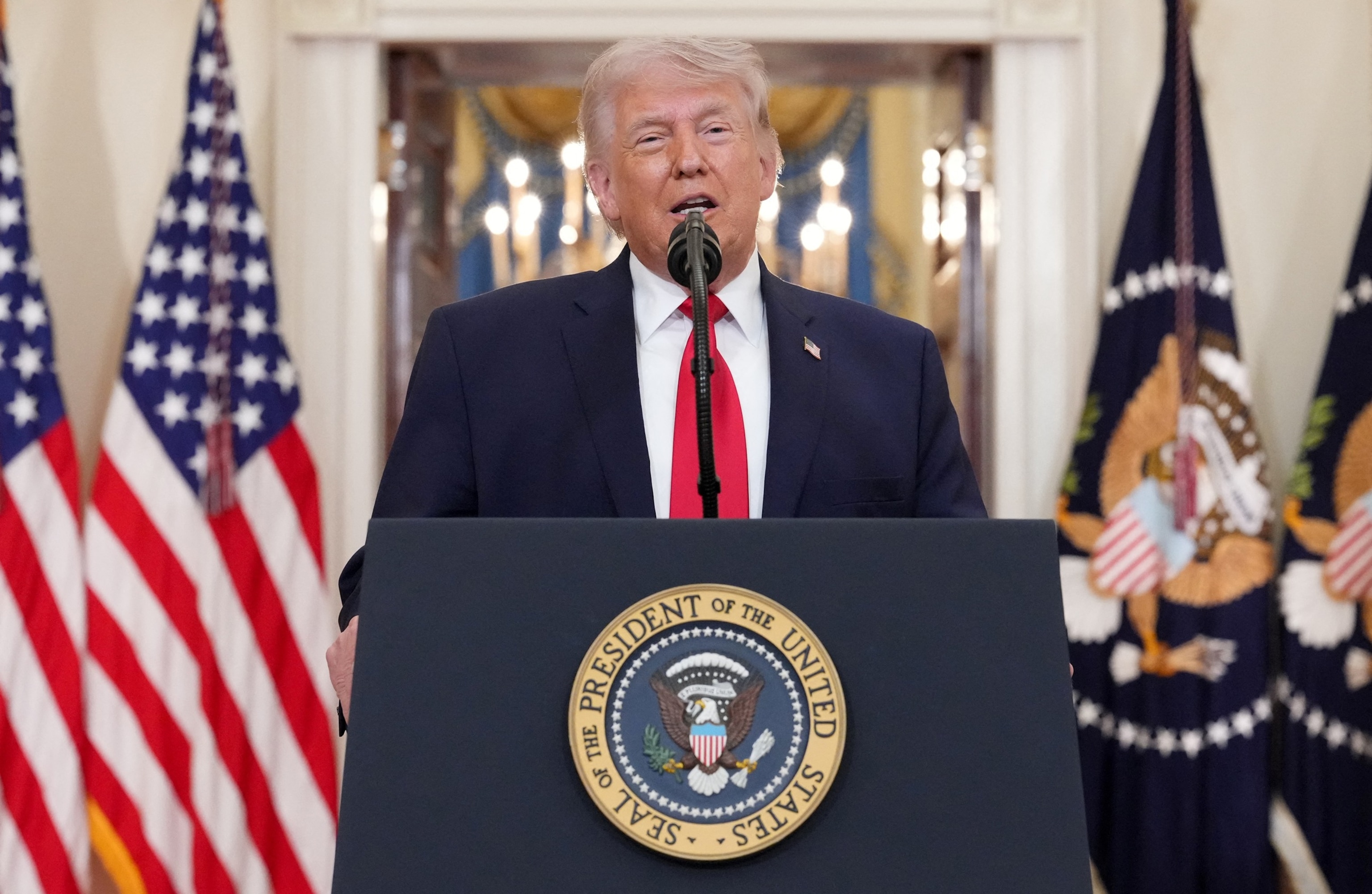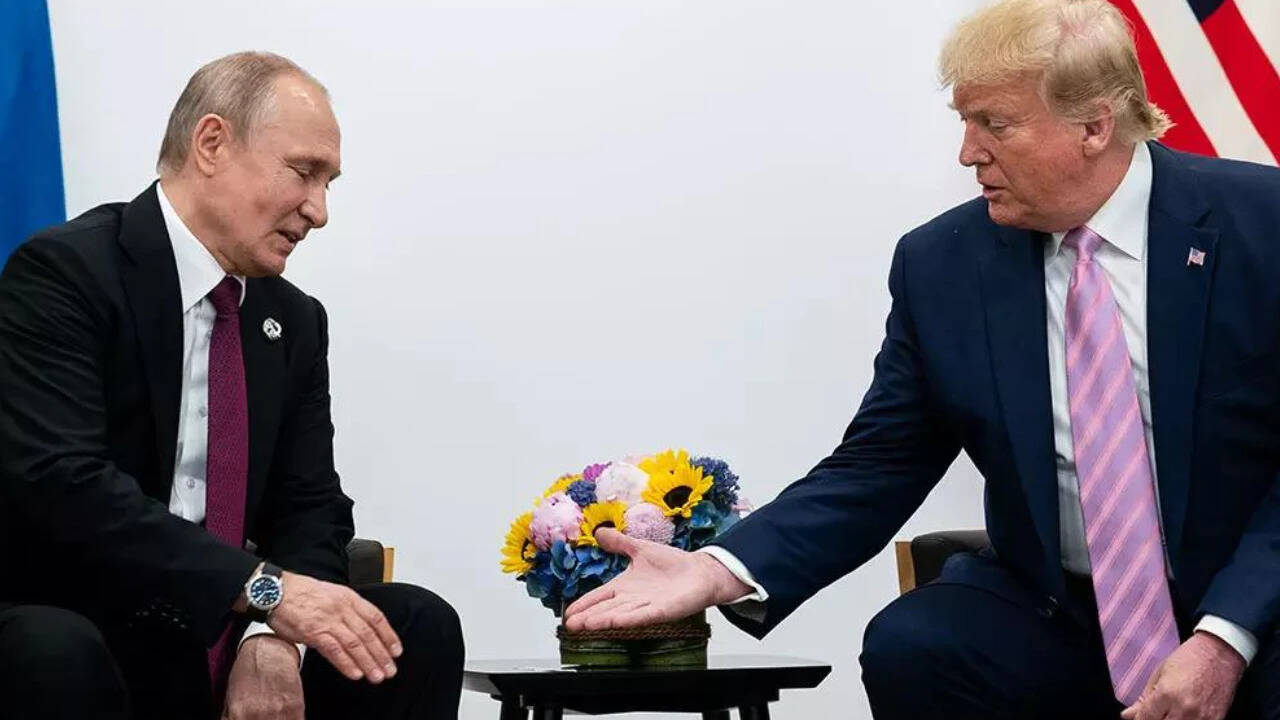
International diplomacy shifted overnight when US President Donald Trump signed an executive order waiving a massive package of sanctions and tariffs targeting Russian energy revenues. The Lindsey Graham Act, named after the late senator who sponsored the legislation, aimed straight at Russia's energy and defense sectors, along with President Vladimir Putin and top officials. It was supposed to take effect immediately. Instead, Trump blocked it, triggering praise from Moscow and deep friction with Ukrainian leadership.
Kirill Dmitriev, a key envoy for Vladimir Putin, didn't mince words on social media. He called the suspension a historic moment and claimed the bill would have hammered the US economy and global markets first and foremost. Meanwhile, the reality on the ground in Ukraine tells a brutal story. Russian forces carried out large-scale overnight attacks on critical infrastructure, hitting the country's largest steelworks in Kryvyi Rih and facilities in Zhytomyr, Zaporizhzhia, and Lutsk. If you liked this post, you might want to check out: this related article.
You need to understand why this decision matters right now. Nearly five years into a conflict that has claimed hundreds of thousands of lives and displaced millions, Washington's stance is shifting in real time.
The Economic Impact Behind the Waiver
Why would an American administration pull back from crippling sanctions designed to starve Russia's war machine? The official calculus from defenders of the waiver points toward global market stability. Energy prices remain volatile. Heavy restrictions on Russian oil and gas exports tend to ripple through international supply chains, driving inflation higher at home and hurting allied economies across Europe. For another perspective on this event, refer to the latest update from TIME.
Dmitriev's commentary highlights Moscow's view that broad economic isolation backfires on the West. But critics argue that lifting these curbs hands the Kremlin a major diplomatic win just as Putin appears determined to push further into eastern Ukraine.
Take a close look at what happened immediately after the executive order was signed:
- Russia launched overnight missile strikes on critical industrial and energy hubs.
- Steel production facilities tied to military supply chains took direct hits.
- Black Sea shipping routes faced renewed aerial and naval pressure.
These aren't isolated events. They show that military pressure and diplomatic maneuvering are happening simultaneously, with neither side backing down on the battlefield despite shifting political winds in Washington.
The Growing Rift with Kyiv
President Volodymyr Zelensky and Ukrainian officials view any softening of US pressure as a dangerous signal. The timing couldn't be worse for Kyiv. Coming amid an intense political clash between Washington and Ukrainian leadership, the waiver fuels speculation that the White House is growing weary of open-ended commitments.
When you look at the human and material toll of the war, every diplomatic shift carries massive weight. The steelworks in Kryvyi Rih, owned by ArcelorMittal, had already suspended operations following earlier ballistic missile strikes. Now, renewed attacks ensure that rebuilding industrial capacity remains nearly impossible.
What Comes Next for Global Diplomacy
The suspension of the Graham Act changes the strategic equation. Moscow sees an opening to ease economic pressure, while European capitals watch nervously as American foreign policy undergoes another sharp pivot.
If you want to track where this conflict is heading, stop watching the rhetoric and watch the energy markets and supply chains. The real test of this historic moment will play out in how European allies respond to Washington's pullback and whether tougher sanctions return to the table.