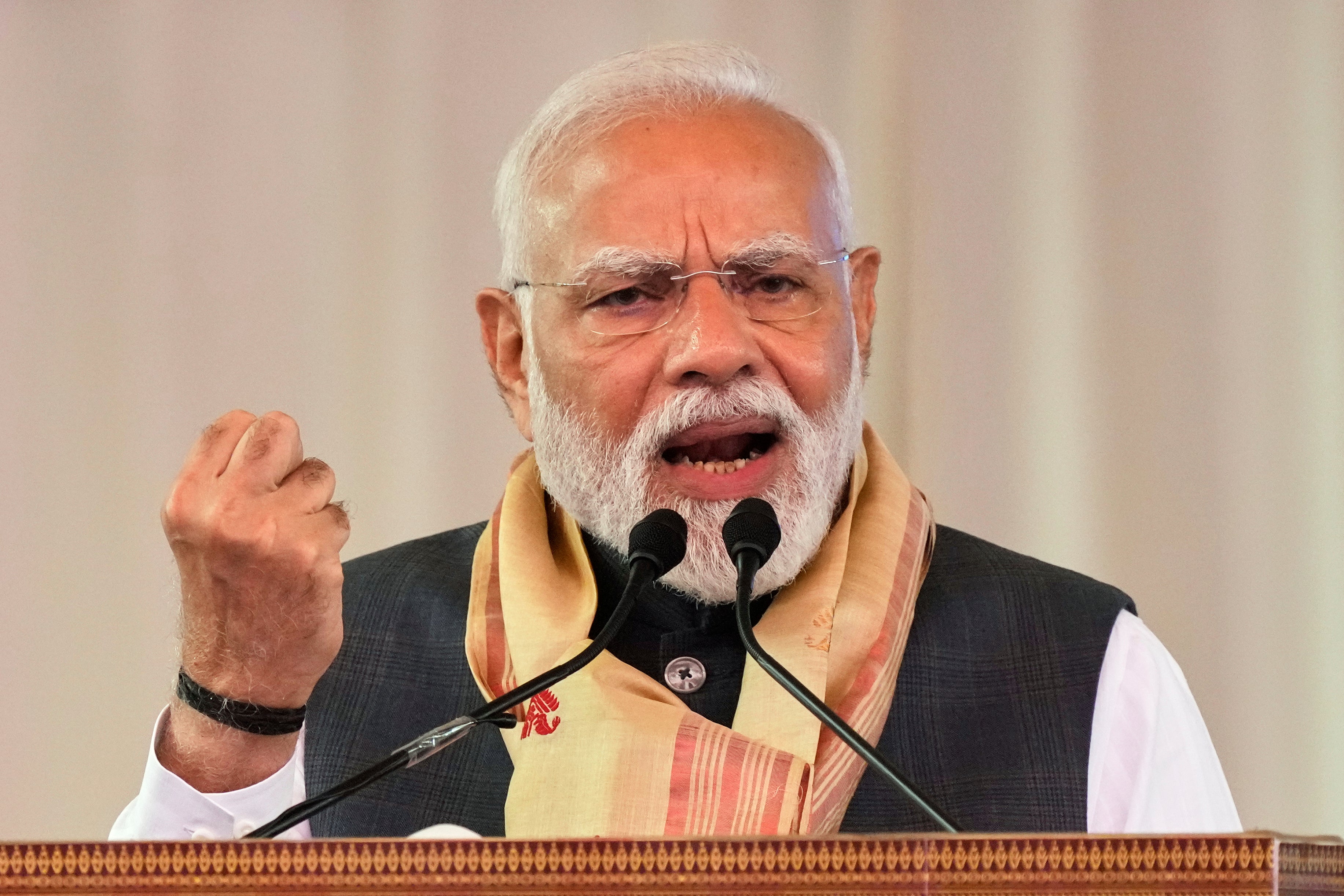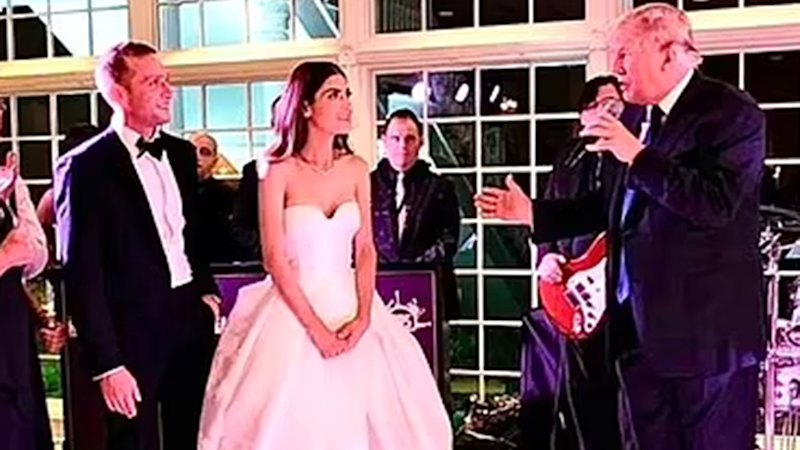
Donald Trump didn't just win elections. He rewrote the entire rulebook on how to behave in public life, and now a whole army of copycats is trying to cash in on the playbook.
You see them everywhere now. Local candidates, state representatives, and national figures mimicking the same abrasive cadence, the grievance-first rhetoric, and the casual disregard for traditional democratic norms. They aren't just adopting his policies. They are copying his entire persona. They act like political performance artists who've realized that outrage pays better than policy expertise.
It started back in 2016 when the original political outsider boasted that he could shoot someone on Fifth Avenue and not lose a single voter. People laughed it off as hyperbole. But it turned out to be a blueprint. Over the years, criminal convictions, legal scandals, and ethical breaches stopped being career killers. Instead, they became badges of honor, proof to a cynical electorate that a candidate was fighting the establishment.
Now, as the United States stares down upcoming midterms, the political ecosystem has adapted to this new reality. Scandal is no longer a disqualifier. It's an entry requirement. Candidates across the country have learned that being respectable is boring, while being loud, unapologetic, and controversial brings in the campaign cash and grabs the headlines.
The Anatomy of a Political Copycat
What makes a mini-Trump tick? It is rarely authentic ideology. It's a calculated aesthetic.
First, there is the weaponized grievance. Every minor inconvenience or standard political disagreement is framed as an existential war waged by corrupt elites against everyday people. You don't propose a tax policy; you declare war on the system.
Second, there is the performative defiance. When caught in a scandal or facing criticism over questionable past behavior, the copycat playbook demands zero remorse. Apologies are treated as signs of weakness. Doubling down is celebrated as strength. Look at how modern political candidates handle controversies involving extremist associations, financial improprieties, or crude public statements. Where politicians once resigned or issued groveling apologies, today's aspirants lean into the backlash. They fundraise off the outrage.
This shift has changed the incentives for anyone entering public service. Why spend decades mastering the nuances of municipal water management or foreign trade when you can go viral with a 30-second rant on social media? The algorithm rewards hostility. Voters reward combativeness.
How Normalization Changes the Culture
When bad behavior becomes normal, the baseline for public discourse shifts downward. We've seen this happen in real-time across legislative bodies, school board meetings, and town halls. Decorum isn't just viewed as old-fashioned; it's treated as complicity.
Consider how public figures navigate controversies today. When high-ranking officials sport symbols with dark historical connotations or face credible accusations of misconduct, the old guard would have faced immediate bipartisan condemnation. Today, those same figures shrug off the criticism, knowing that a loyal faction of supporters will dismiss the reporting as partisan hits.
This isn't an accident. It's a feature of a polarized media landscape where attention is currency. If you're polite, you get ignored. If you're outrageous, you get prime-time coverage.
The Long-Term Cost to Democracy
The danger of this copycat phenomenon goes far beyond bruised political norms or ugly cable news segments. It hollows out institutional competence.
When governance becomes a reality TV show, actual policy solutions take a backseat to theatrical posturing. Fixing infrastructure, managing budgets, and negotiating complex legislation require boring, painstaking compromise. You cannot govern a superpower purely through snark and social media clips.
Furthermore, this trend poisons public trust. When every institution is relentlessly attacked as corrupt, people stop believing in elections, courts, and public health systems altogether. That cynicism creates a vacuum, and power flows to whoever can yell the loudest.
Navigating the Noise
If you are tired of the constant theater, you have to change how you consume political news and where you direct your attention.
Stop rewarding the outrage machine with your clicks, shares, and emotional energy. Pay attention to local races where candidates are still judged on actual results rather than nationalized culture wars. Support local journalism that covers zoning laws, school budgets, and state legislation instead of national pundits shouting at each other.
The copycats are loud because noise is all they have to offer. Turn down the volume and demand competence.