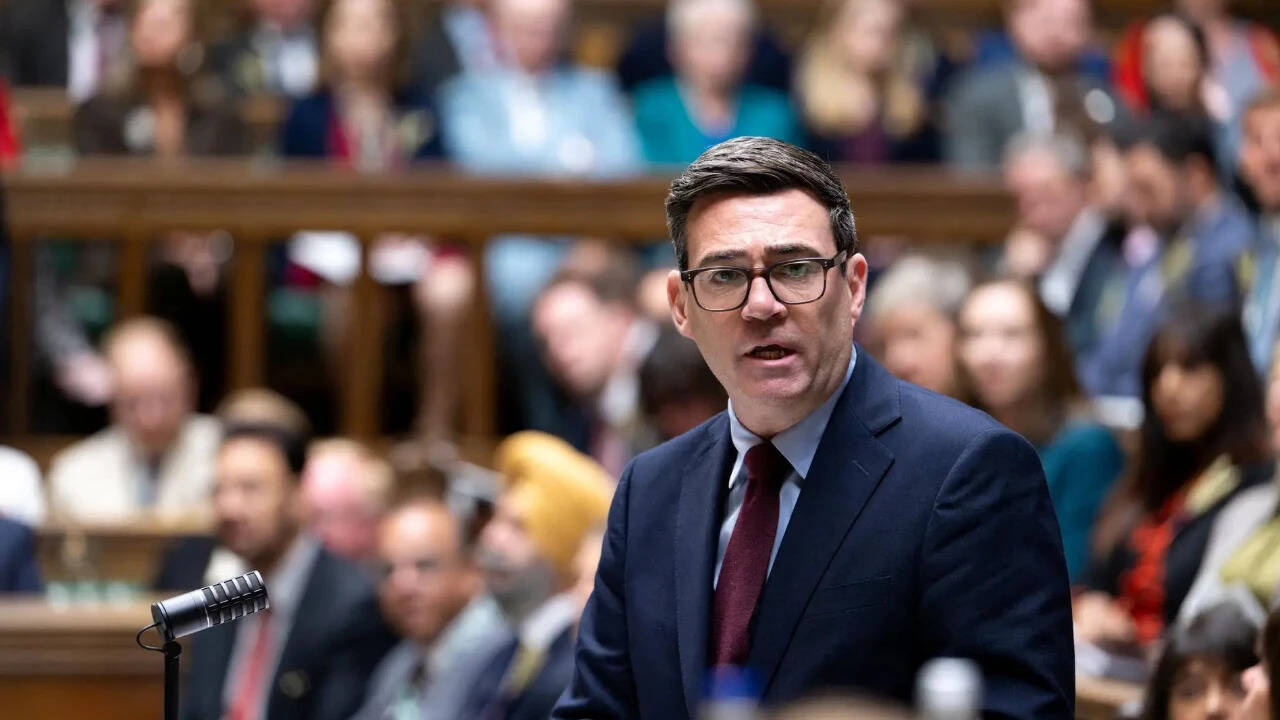
India's diplomatic playbook is moving fast. When External Affairs Minister S. Jaishankar sat down with Saudi Arabia's Foreign Minister Prince Faisal bin Farhan Al Saud at Bharat Mandapam, it wasn't just another routine handshake on the diplomatic circuit. It happened right on the sidelines of the 18th BRICS Summit in New Delhi, and the timing tells a completely different story about how West Asia and South Asia are redrawing their economic and security maps.
You're looking at two nations that used to trade mostly in oil and expat remittances. Now? They're talking about global supply chain stability, critical infrastructure, and navigating a fractured geopolitical climate where traditional alliances don't mean much anymore.
Behind Closed Doors at Bharat Mandapam
Let's cut through the official press statements. When Jaishankar and Prince Faisal met, the core agenda centered on regional friction points and long-term economic alignment. Saudi Arabia is participating in the summit as an invited nation, marking a distinct shift in how Riyadh engages with multilateral blocs outside its traditional Western orbit.
India is currently chairing the 18th BRICS Summit under the theme "Building for Resilience, Innovation, Cooperation and Sustainability." That isn't just marketing copy. Prime Minister Narendra Modi made it clear during the open session that the world expects concrete results from BRICS as it enters its third decade, moving away from empty communiques.
Saudi Arabia wants in on that economic momentum. Prince Faisal's presence in New Delhi confirms that Riyadh views New Delhi not just as a major energy buyer, but as an indispensable strategic anchor in the Global South.
What’s Driving the India Saudi Partnership Right Now
Energy security remains the baseline, but the real growth is happening in non-oil sectors. Think about fintech integration, joint defense manufacturing initiatives, and maritime security in the Arabian Sea.
If you track trade data, bilateral commerce between India and Saudi Arabia has hovered near the $50 billion mark recently. But numbers alone don't capture the urgency. Both capitals are worried about supply chain weaponization. When shipping lanes get volatile, economic growth stalls. That's why Jaishankar and Prince Faisal spent significant time dissecting regional developments that threaten trade corridors.
India's push for local currency trade settlements also plays a massive role here. While dollar dominance isn't disappearing tomorrow, both nations are actively exploring bilateral trade mechanisms that bypass Western financial bottlenecks.
The Broader BRICS Context
The New Delhi summit has turned out to be a heavy-hitting diplomatic event. While Western media often tries to paint BRICS as an anti-Western club, the reality on the ground is much more nuanced. It's an insurance policy for emerging economies.
Prime Minister Modi held a flurry of bilateral meetings alongside the Saudi engagement, talking with South African President Cyril Ramaphosa, Uganda Vice President Jessica Alupo, and Philippines President Ferdinand R. Marcos Jr. The message across the board is simple: the Global South wants a louder voice in global governance institutions like the UN Security Council and the IMF, which still operate on post-World War II rules that don't fit 2026 realities.
Xi Jinping and other leaders also dialed into the sentiment, pushing for multilateral cooperation that actually delivers tangible infrastructure and financial support to developing nations.
What Happens Next
Diplomacy without follow-through is worthless. The real test of the Jaishankar-Prince Faisal meeting won't be found in social media posts or press releases. Watch for upcoming joint naval exercises in the western Indian Ocean and progress on the proposed West Coast refinery project.
If you're tracking international business or geopolitical risk, keep a close eye on how energy contracts and tech investments pan out over the next two quarters. The partnership between New Delhi and Riyadh is transitioning from transactional to structural. Get used to it.