When a missile turns rows of paperbacks into ash, it isn't just structural damage. It's an assault on memory.
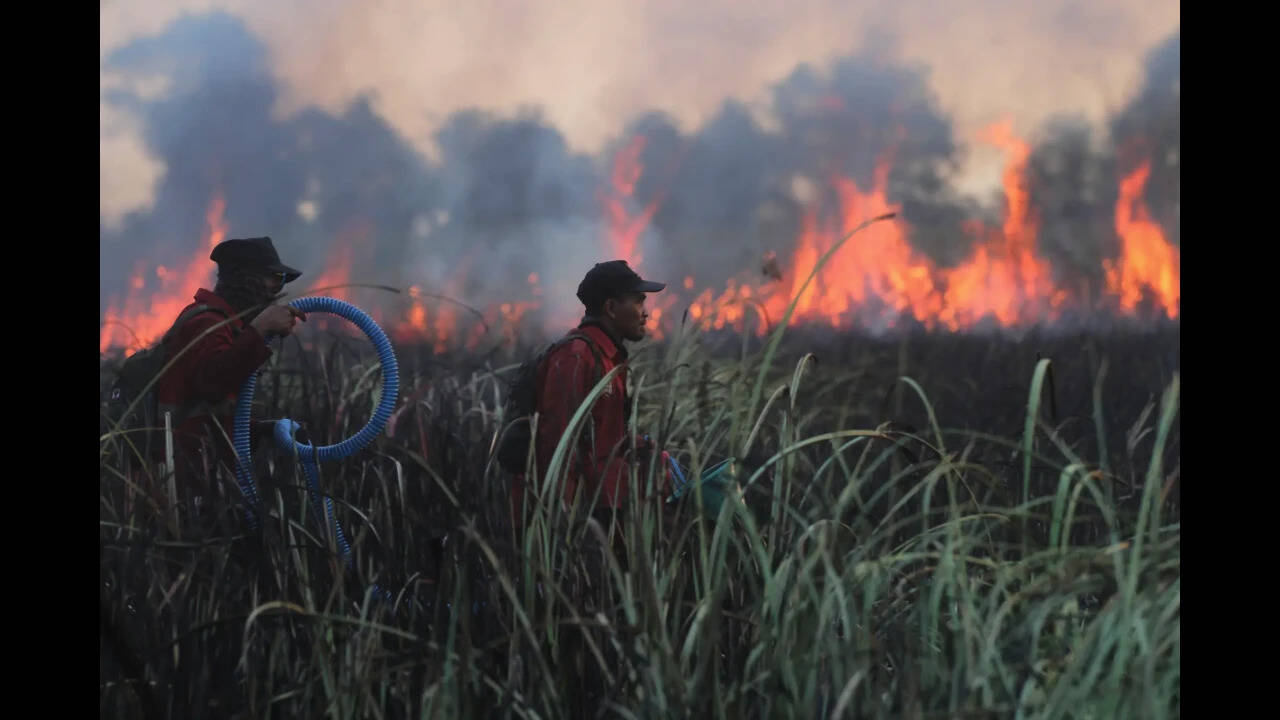
The overnight barrage that hit Kyiv's iconic Pochaina Book Market sent shockwaves far beyond the Obolonskyi district. Founded in 1997, this sprawling labyrinth of stalls, independent publishers, and rare book collections was more than a commercial hub. It was a living archive of Ukrainian literary life. When emergency crews finally extinguished the fires, rows of commercial pavilions were gutted, and millions of pages lay smoldering.
Cultural destruction isn't a byproduct of this conflict. It's a strategy.
The Systematic Erasure of Ukrainian Print
To understand why a book market becomes a military target, look at the broader numbers. According to the Ukrainian Book Institute, Russian strikes burned through more than 1.5 million books in July alone. Warehouses belonging to major publishing houses, like Ranok in Kharkiv, have taken direct hits. Printing presses, distribution networks, and local bookstores face a relentless campaign designed to choke off the supply of Ukrainian-language literature.
Books are weapons when they articulate an independent culture. Moscow's long-running objective has always targeted the roots of national identity. By obliterating printing houses and distribution centers, the aggressor aims to starve the market of textbooks, novels, and historical texts that define modern Ukraine.
Inside the Pochaina Market Devastation
The attack on August 16 did not spare the surrounding infrastructure. Nearby offices belonging to publishers like Nash Format suffered blown-out walls, ruined ceilings, and pulverized furniture. The entrance to the Pochaina metro station—a lifeline for daily commuters and local vendors—took heavy structural damage.
For the vendors who spent decades building these independent businesses, the loss is devastating. Many lost their entire stock, their archives, and their physical livelihoods overnight. Yet, the reaction from the local community points to a stubborn resilience. Bookstores across Kyiv immediately launched relief initiatives, digital fundraising campaigns, and salvage operations to rescue what little survived the flames.
Culture as the Final Line of Defense
Why does literature terrify an invading army? Because totalitarian regimes understand that empire-building requires cultural erasure. If you destroy the language, the books, and the historical records, you make assimilation easier.
The systematic targeting of cultural heritage sites, churches, and publishing houses across Ukraine confirms that identity is a frontline. Every burned volume at Pochaina represents an attempt to silence a distinct voice.
Support independent Ukrainian publishers, buy translated and original Ukrainian literature, and refuse to let the silencing succeed. Share these stories, back local cultural funds, and keep the printed word alive.