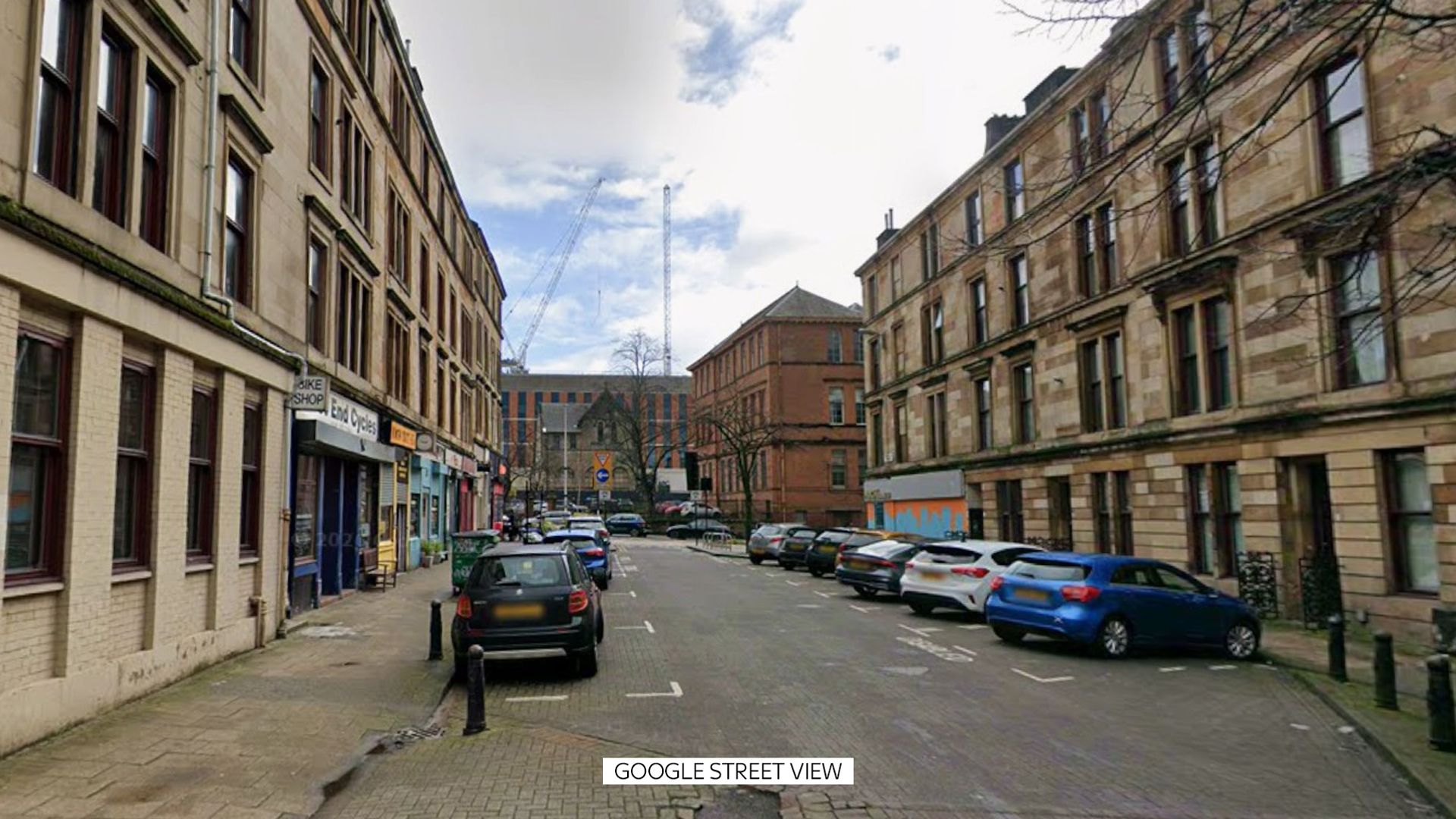
Two men are dead in Glasgow, and right now, the police don't have the answers. This isn't a headline you want to wake up to. On Sunday, August 16, 2026, emergency services were called to a property on Chancellor Street in the Partick area. They found two men, aged 50 and 54, with serious injuries.
They were pronounced dead at the scene.
In the immediate aftermath, the label "unexplained" is being used by authorities. For those living in the West End of Glasgow, this creates a vacuum of information. It’s scary. It’s unsettling. When official reports are thin, speculation often fills the gaps. Let’s look at what we actually know versus the noise.
The current state of the investigation
Police Scotland has launched an "extensive enquiry." This is standard procedure for unexplained deaths, but it signals that the initial findings didn't point toward an obvious cause like a natural medical emergency.
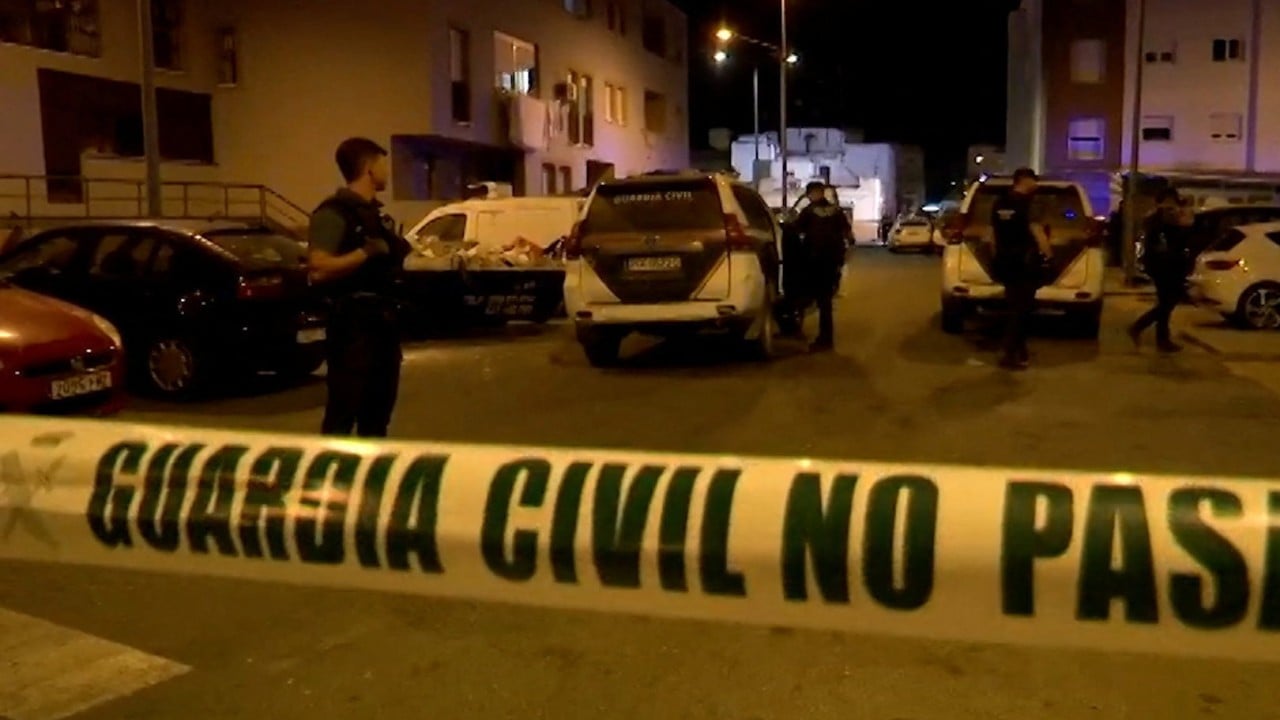
Detective Chief Inspector Jen McCulloch has stepped forward to manage the public messaging. Her focus is clear: supporting the families and calming the local community. Officers are remaining on Chancellor Street. If you’ve seen a heavy police presence in Partick today, that’s why.
What happens next is a technical, clinical process:
- Post-mortem examinations: These are essential. They will determine the physiological cause of death. Without these results, everything else is just a guess.
- Forensic analysis: Crime scene investigators will be combing the property for evidence that isn't immediately visible to the naked eye.
- Witness statements: Police are actively looking for anyone who saw something unusual near the property on Sunday afternoon.
Why unexplained deaths happen
People often confuse "unexplained" with "suspicious" or "criminal." They aren't the same thing. In forensic investigation, an unexplained death means the cause isn't apparent upon discovery. It could be anything. A tragic accident, a sudden medical event, or something much darker.
Until the pathologist files their report, labeling this as a crime or an accident is irresponsible. Investigators are holding their cards close to their chest because they have to. They need to secure the site and verify facts before they start pointing fingers.
How the public can help
If you’re local to Partick, you might feel like you need to "do something." The police have been very specific about their needs. They don't need amateur sleuths knocking on doors. They need concrete information.
If you have any details—even if they seem trivial—you should contact Police Scotland on 101. Reference incident number 1386 from Sunday, August 16, 2026.
Avoid posting rumors on social media. It’s easy to get caught up in the speculation, especially with such a grim event in a quiet residential area. But misinformation helps no one, especially the families who are currently dealing with the shock of losing two loved ones.
The reality of police communication
We live in a time where we expect instant updates. We want the "who" and the "why" within an hour of the news breaking. That isn't how serious investigations work.
The police are balancing transparency with the integrity of the case. If they release information too early, they risk contaminating the investigation or causing unnecessary panic. They are currently acting on the facts they have, not the facts we want.
Stay updated through verified channels like the official Police Scotland news hub. Keep an eye out for updates on post-mortem results. That is when the narrative will likely shift from "unexplained" to something more concrete. For now, the best thing to do is let the professionals work. If you have information, share it with the police. Don't share it on the internet.
The community in Partick needs space to process this. Respect that, stay alert, and wait for official updates.