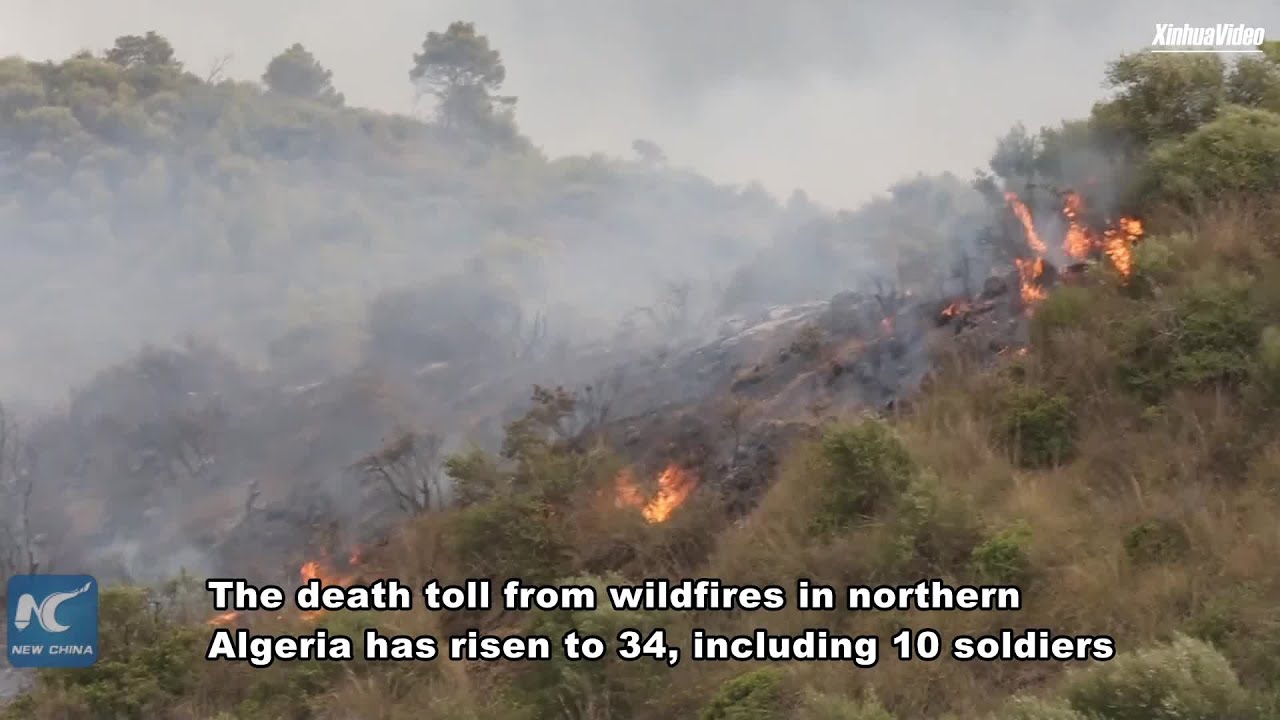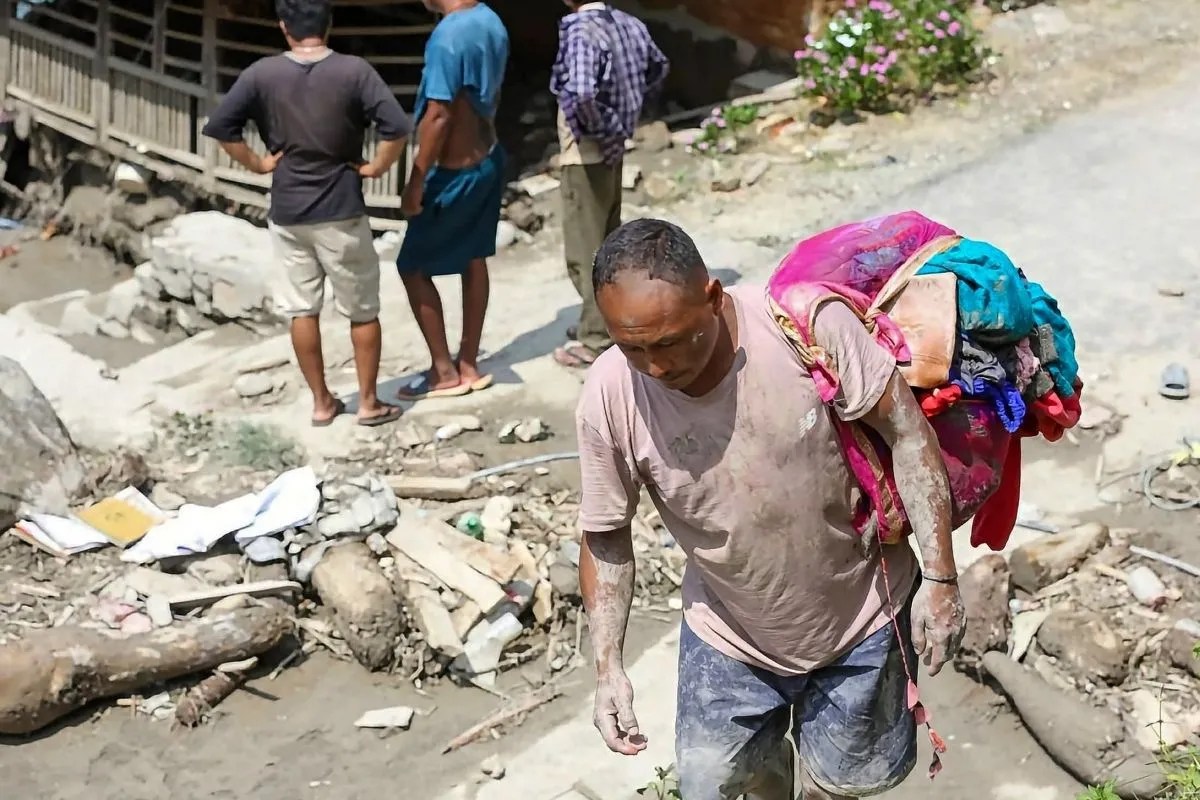
When nature decides to rewrite the geography of a valley in mere seconds, you don't get time to pack a bag. You run, or you disappear. That is the raw, unvarnished reality that hit communities along Nepal's turbulent river systems during the recent flash floods, turning ordinary mornings into absolute nightmares.
If you look past the standard headlines reporting casualty statistics, you find the human stories of survival that defy logic. People hung from live power lines, drove trucks up sheer mountain faces while walls of water chased their rear bumpers, and returned to find entire neighborhoods wiped clean off the map. This isn't just a weather disaster story; it is a brutal look at what happens when survival instincts override everything else.
The Half-Hour Suspension Between Life and Death
Take Rambachan Sah, a 36-year-old worker at a sweet shop near Trishuli Bazaar, who found himself face-to-face with a roaring wall of water while frying sweets in the early morning hours. The Bhote Koshi river didn't just rise; it exploded into human spaces, dragging everything in its path.
As the torrent swept him off his feet, his hands caught an overhead electric wire. For thirty agonizing minutes, Sah dangled above the churning, muddy destruction.
"I knew if my grip slipped, I was gone," Sah later recounted.
Think about that for a second. Thirty minutes suspended in mid-air, listening to the roar of a flood that swallowed his workplace and left coworkers like Sangeeta, Rahul, and Binod Bhagat missing. While Sah survived by a thread, the psychological toll of watching colleagues vanish remains a heavy burden.
Outrunning a Wall of Water on Four Wheels
While some fought for grip on wires, others fought for traction on crumbling mountain roads. Rajkumar Karki, a veteran container truck driver with two decades of experience, was heading toward Timure when a loudspeaker blared the warning everyone dreads: the flood is coming.
Karki didn't hesitate. He pulled a U-turn and floored it toward Galchhi, checking his side mirrors to see a literal wall of water chasing his vehicle.
"I kept driving forward," Karki said. "In my rearview mirror, I watched other trucks and drivers get swallowed by the surge. Nine containers behind me were completely swept away."
To escape, he ended up driving his heavy truck directly up a steep mountain slope, spending the night stranded in the wilderness while the valley below transformed into a chaotic lake. It is a stark reminder that in extreme flash floods, standard evacuation protocols go out the window, and split-second improvised decisions mean the difference between breathing and becoming a statistic.
Returning to a Blank Slate
Perhaps the most haunting aspect of these disasters is the sudden disappearance of entire communities. Sachin Khati went to work in Chilime, leaving behind his uncle Rajkumar Diyali, his aunt Sriti, and their four-year-old son Sriraj in Rasuwa's Syabrubesi.
When word of the flood reached him, he rushed back, only to find that the village itself had ceased to exist. There were no houses to search, no streets to walk down—just a reshaped landscape of mud and debris. His entire family vanished without a trace, leaving relatives like Radha Khati pleading just to find a body for closure.
What Nepal's Crisis Teaches Us About Preparedness
Disasters like this expose harsh vulnerabilities in high-risk Himalayan terrain. When riverbeds swell unexpectedly due to upstream cloudbursts or glacial lake outbursts, downstream communities have minutes—sometimes seconds—to react.
Effective survival in these regions requires more than just reactive rescue operations; it demands hyper-local early warning sirens, robust infrastructure away from high-risk floodplains, and strict zoning laws that stop construction in vulnerable gorges. Until those systems catch up to the increasing volatility of extreme weather, people like Rambachan Sah and Rajkumar Karki will continue to rely on raw instinct, sheer luck, and whatever overhead wire or mountain slope happens to be within arm's reach.
If you live in or travel through mountainous river valleys during the monsoon season, treat every flood warning as an immediate, life-or-threatening emergency. Drop what you're doing, head for high ground instantly, and never assume you have time to pack.