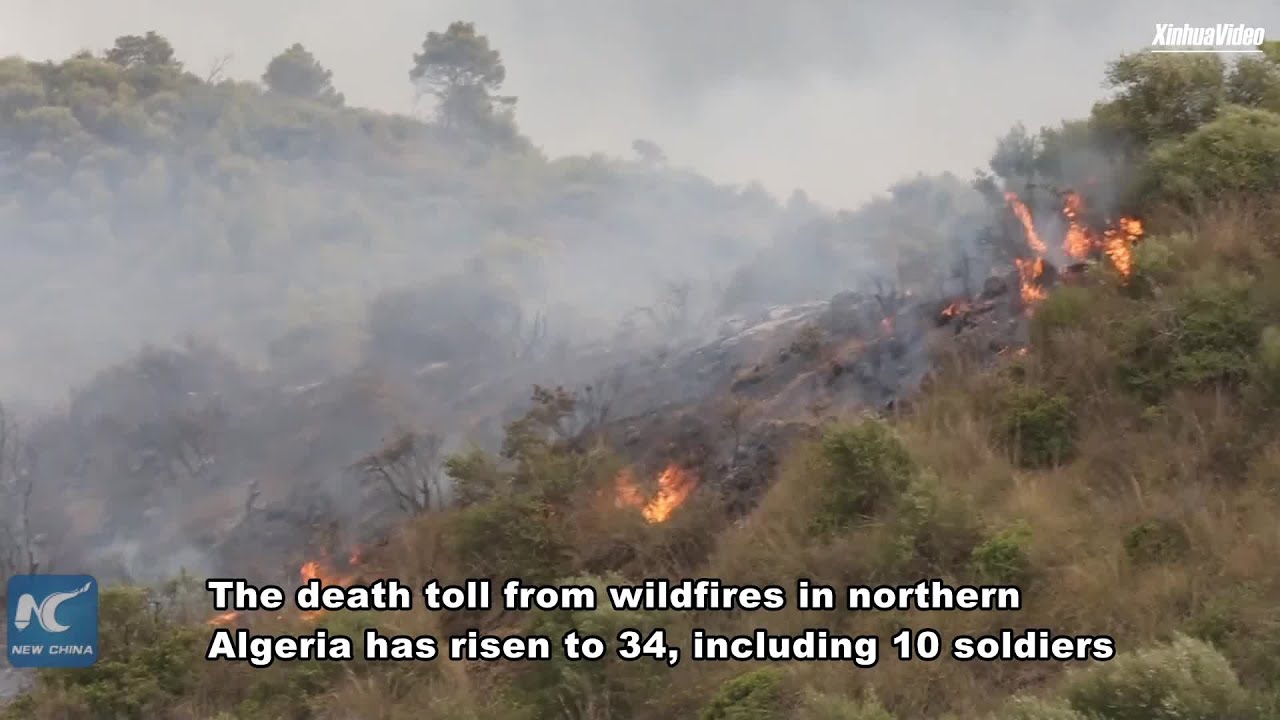
When the smoke finally clears over northeastern Algeria, the physical landscape is transformed into charcoal and ash. But the immediate shock of the late August 2026 wildfires isn't just about burned trees. It is about the families standing in what used to be their living rooms, looking at absolute nothingness.
Official reports stated that at least 12 people lost their lives and dozens more sustained injuries as fires tore through regions like Jijel. Yet, ground reports, mass burials in places like Djemaa Beni Habibi, and independent local documentation suggest the actual toll runs significantly higher. President Abdelmadjid Tebboune declared three days of national mourning, but the gap between institutional tallies and local realities reveals a recurring crisis in transparency and emergency infrastructure.
You hear officials quote safe numbers. You see survivors point to empty plots where family homes stood hours prior.
The Disconnect Between Official Tallies and Ground Realities
When communities host mass funerals with dozens of coffins, official statistics lose their footing. Local media and international observer teams documented scores of names across regional hospitals and villages following the late August infernos. Anonymous sources close to defense circles even floated much higher casualty estimates.
Why does this disconnect happen every single summer?
Part of the problem lies in the speed of the catastrophe. Driven by ferocious winds, soaring seasonal temperatures, and severe drought, the fires didn't just burn—they swallowed entire neighborhoods in minutes. Infrastructure collapses. Communication channels drop. Families bury their dead before administrative paperwork ever reaches a desk in Algiers.
When you're trying to outrun a wall of fire, registering a casualty with civil protection agencies is the last thing on your mind.
What Climate Reality Means for Northern Algeria
Forest fires are not entirely new to North Africa. Northern Algeria deals with seasonal vegetation and agricultural blazes nearly every year. But calling these current events "seasonal" is a dangerous cop-out.
Climate shifts are weaponizing standard summer heatwaves. When prolonged dry spells bake the soil and drain moisture from the brush, forests turn into tinderboxes. In July alone, the country logged close to 2,000 separate fire incidents. By late August, the system buckled under the sheer frequency and intensity of the flames.
Roads close down. Hospitals evacuate hundreds of vulnerable patients—like the mass evacuation seen at the rehabilitation facility in Seraïdi, Annaba. Emergency services stretch their resources paper-thin.
You cannot simply throw water drops at a systemic environmental crisis and expect a permanent fix.
The Human Cost of Nothing Left
Statistics reduce human suffering to neat little rows on a spreadsheet. Walk through the affected pockets of Jijel or Bejaia, and you find a completely different story.
Survivors talk about fleeing with only the clothes on their backs. Local footage captured panicked residents sheltering inside local post offices as thick black smoke choked out the daylight. Highways locked down. Livestock perished. Orchards that took decades to grow turned to ash in a single afternoon.
When people say "nothing is left," they aren't using a dramatic figure of speech. They mean the generational wealth, the olive groves, the family homes, and the local economy have been completely wiped out.
Rebuilding from that level of devastation takes more than a brief period of national mourning. It requires long-term psychological support, massive financial aid, and a complete overhaul of how rural communities prepare for hyper-aggressive fire seasons.
Moving Forward From the Ashes
If authorities want to stop this cycle, denying the scale of the damage won't work. Transparency builds public trust. Communities need real, actionable support—better early-warning sensors, fortified evacuation routes, and swift economic relief packages that actually reach the people sleeping in temporary shelters.
Don't wait for the next heatwave to test emergency systems. Demand robust infrastructure upgrades now, because the climate isn't going to wait.