The chokepoint carrying a fifth of the world's oil is about to change hands, or at least how ships move through it. Tehran and Muscat have quietly locked down geographic coordinates for a brand-new shipping route running through the Strait of Hormuz. Donald Trump is signaling that an official announcement could drop at any moment.
If you think this is just standard diplomatic theater, you haven't been paying attention to global energy markets. Let's look at what is actually happening behind the scenes. You might also find this connected article insightful: Why The Violence In Kenscoff Exposes The Brutal Reality Of Haiti Today.
Inside the Iran Oman Maritime Arrangement
Negotiations between Iran and Oman didn't happen in a vacuum. Regional officials leaking details to the press note that the emerging framework splits traffic into distinct inbound and outbound channels. Under this setup, commercial vessels would enter the Persian Gulf via an Iranian-controlled path and exit through a corridor managed by Oman.
Tehran gets a massive strategic victory. They have spent months blockading or disrupting traffic using alternative paths overseen by the United States military. Securing official recognition over half the waterway translates directly into leverage. As highlighted in latest articles by NPR, the results are significant.
Of course, getting the coordinates right on paper is the easy part. Making sure tankers actually sail without getting hit is entirely different. Esmaeil Baghaei, Iran's Foreign Ministry spokesperson, admitted openly that an agreement between Tehran and Oman doesn't magically guarantee security in the area.
The Washington Calculus and Trump's Ultimatum
Washington has a complicated relationship with this emerging pact. Trump recently called these active diplomatic tracks Tehran's absolute last chance to avoid devastating military escalations. Just days prior, the White House hit pause on a planned wave of heavy strikes against Iranian infrastructure after signaling that the perimeters of a wider understanding were forming.
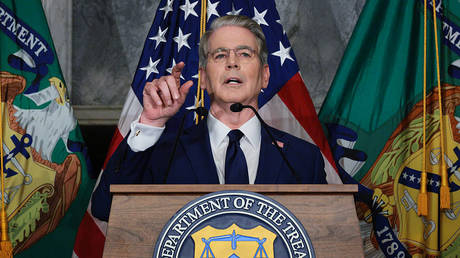
Treasury Secretary Scott Bessent told financial markets that normalisation is the ultimate goal, noting that the opening of the strait represents phase one. Phase two is supposed to tackle the thorny issue of Iran's nuclear program. That part will take months, if it happens at all.
Yet friction points remain glaringly obvious. Reports indicate the emerging deal involves service fees or environmental preservation tolls charged for ships navigating the lanes. Trump publicly pushed back against any tolling system, stating that if anyone charges fees, the United States will do the same.
What This Means for Energy Markets and Global Supply Chains
Global trade has bled from the prolonged disruption in West Asia. Fuel prices, fertilizer costs, and shipping insurance rates skyrocketed as traffic through the strait dwindled to a trickle.
When commercial vessels stopped moving normally, economies across Asia and Europe felt immediate shockwaves. An official reopening changes the immediate math for energy supplies. Shippers want certainty above all else. They want to know that insurance companies will cover hulls moving through the Persian Gulf without charging astronomical risk premiums.
Even so, keep your eyes on the US blockade of Iranian ports. Tehran wants those restrictions lifted as part of any grand bargain. If Washington refuses to budge on port sanctions while demanding full freedom of navigation through Hormuz, the entire arrangement could collapse before the ink dries.
Watch the joint announcements closely over the next forty-eight hours. Ignore the noise about breakthrough celebrations and look strictly at whether commercial insurers start underwriting voyages through the newly mapped corridors.