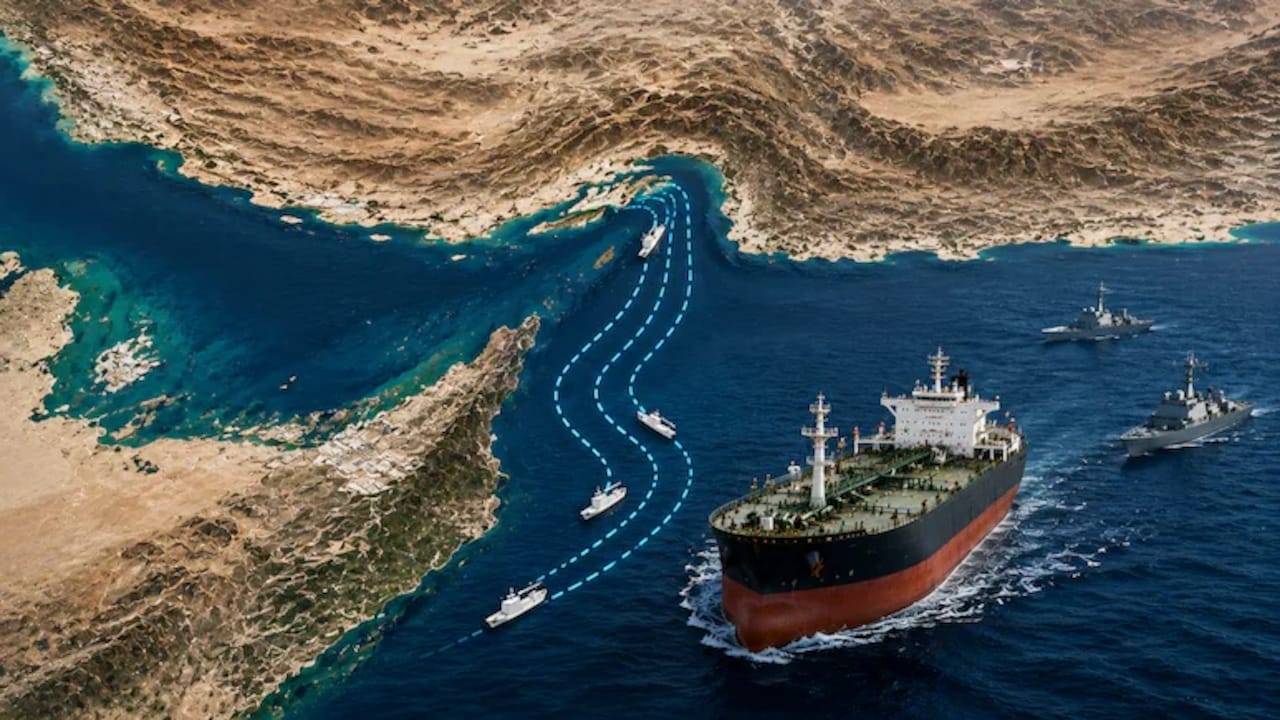
Six months into the military conflict with Iran, Washington isn't losing sleep over battlefield positions or tactical air strikes. Instead, the entire security apparatus is consumed by a narrow ribbon of water where twenty percent of the world's petroleum used to move freely. The Strait of Hormuz is no longer just a geographic shipping lane. It has transformed into the primary economic choke point of the decade, and American strategy is scrambling to keep up.
When the aerial campaign kicked off in late February 2026, planners anticipated friction, but they badly underestimated the sheer disruption of a closed Gulf. Tehran turned the corridor into a weapon almost overnight, deploying sea mines, launching drone strikes against commercial shipping, and forcing a complete freeze on standard maritime traffic. For months, the US Navy has engaged in a high-stakes operational chess match to clear mines and escort surviving tankers. The cost of failure here extends far beyond Middle Eastern ports. Every spike in energy futures and fertilizer transport delays traces directly back to this contested maritime bottleneck. Also making news lately: Why Islamabad Keeps Misrepresenting Facts And What India Is Doing About It.
The Dual Blockade Reality
Most casual observers miss the structural dynamic defining the current phase of the war. We are witnessing a unique dual blockade. The Iranian Revolutionary Guard Corps maintains physical and psychological dominance over the narrow channel through asymmetric threats and hidden ordnance, while the US Navy enforces a corresponding counter-blockade on Iranian ports.
Insurance underwriters hold massive leverage over the entire situation. Even when temporary naval corridors are floated or diplomatic channels open up through intermediaries like Oman, marine insurers refuse to underwrite standard commercial risk without ironclad security guarantees. Tankers sit idle because the price of a catastrophic hit outweighs the profit margin of a single voyage. Washington's attempts to force open the channel via initiatives like Project Freedom frequently trigger immediate asymmetric retaliation, proving that military force alone cannot restore commercial confidence. Further information on this are explored by The Guardian.
Beyond Oil The Hidden Supply Crunch
Focusing solely on crude prices misses the broader systemic threat. The Persian Gulf handles a massive share of globally traded fertilizers, including a substantial portion of the world's urea and ammonia exports. When shipping stops here, agricultural supply chains thousands of miles away feel the shock within weeks. Nations dependent on imported food and raw materials are absorbing mounting inflationary pressures that dwarf the immediate energy spikes.
The United Nations has warned repeatedly that prolonged restrictions will ripple through global markets long after any formal ceasefire is signed. Strategic reserves in major importing countries have dropped significantly since the conflict began, leaving industrial economies dangerously exposed to weather-related energy shocks and summer grid strains.
What Happens Next
The strategic paradox for Tehran and Washington is glaring. Iran wields the strait as its ultimate defensive leverage, yet keeping it shut permanently invites total economic isolation and aggressive US counter-measures. Meanwhile, American leadership faces mounting domestic pressure to stabilize global shipping before energy costs trigger broader political fallout.
Resolving the crisis won't come from a sudden diplomatic breakthrough or a sweeping military victory. It requires tedious, localized de-mining operations, restored trust with commercial shipping registries, and a heavily policed traffic scheme that can survive sporadic hostilities. Until those pieces lock into place, the global economy remains hostage to a few miles of troubled water.
The Strait of Hormuz Crisis Explained
This video provides an overview of the ongoing closure of the Strait of Hormuz and the tactical measures taken in response to the regional conflict.
http://googleusercontent.com/youtube_content/1