International politics rarely runs on pure goodwill. Mostly, it runs on tightrope walking.
Seoul just proved this once again. Even after a bitter diplomatic fallout with Kyiv over leaked secrets regarding North Korean prisoners of war, South Korea's foreign ministry confirmed that aid to Ukraine isn't stopping.
The rationale is simple. Statecraft demands separating emotional retaliation from long-term geopolitical positioning. But the road here was messy. Let's look at what actually happened.
The Spark That Caused the Spat
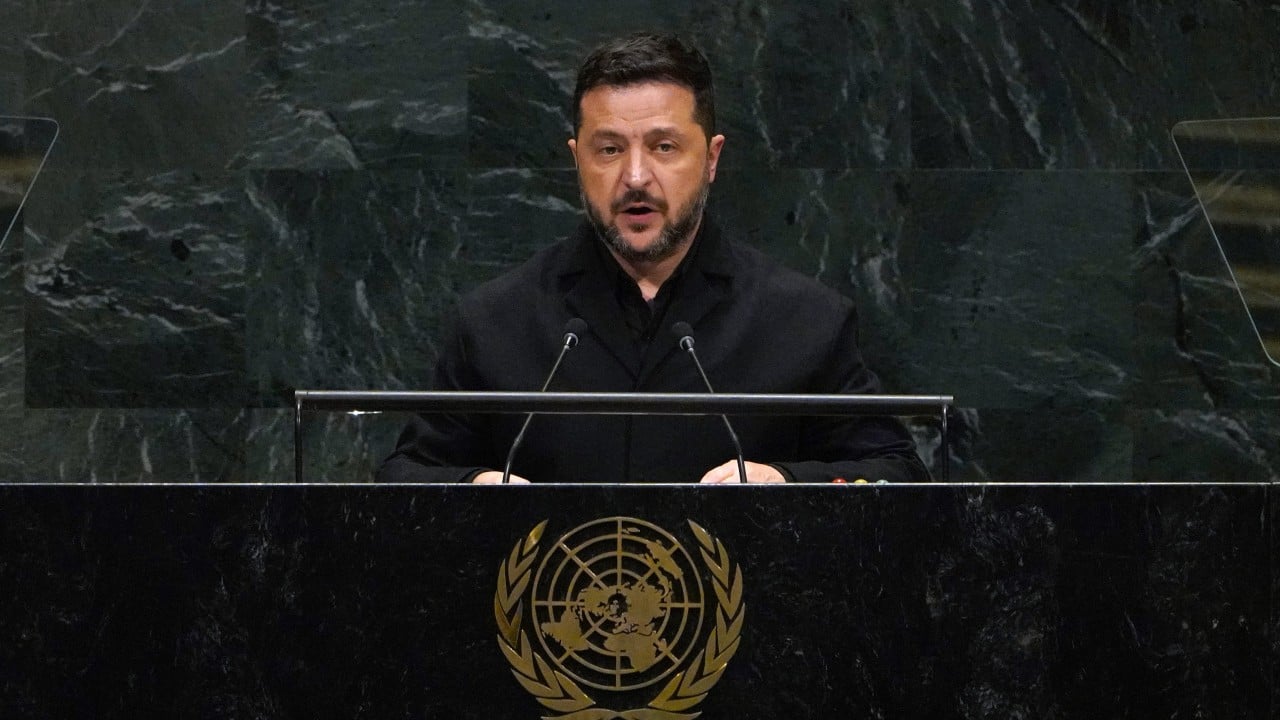
Everything blew up because of a speech. Ukrainian President Volodymyr Zelenskyy took the podium at the United Nations General Assembly in New York and openly mentioned the transfer of two North Korean prisoners of war to the South.
Seoul lost its patience. Why? Because that transfer was supposed to stay quiet.
South Korean officials argue that public disclosure directly breached a strict confidentiality agreement. The stakes are brutally high. If details leak, the safety of the soldiers—and any remaining family members they left behind in North Korea—hangs by a thread.
President Lee Jae Myung didn't brush it off. Seoul immediately recalled its ambassador to Ukraine, Park Ki-chang, and demanded an official apology alongside formal acknowledgment of the breached confidentiality pact. Kyiv, meanwhile, has denied that any such binding understanding ever existed.
Splitting Aid From Arguments
Diplomacy is messy, but strategic obligations usually win out. South Korean officials made it clear that humanitarian and financial assistance to Ukraine will continue regardless of the political bickering.
Seoul wants to project an image of a responsible global player. Stopping aid because of a leaked speech would look petty. It would also hand an easy PR win to Moscow.
Behind closed doors, Europe is sweating. At least three European governments reached out to Seoul to bridge the gap. They offered mediation services, quietly expressing anxiety that a prolonged diplomatic freeze between Seoul and Kyiv could fracture the wider international coalition standing against Russian aggression.
What Happens Next
The standoff isn't fully resolved. Lee Jae Myung's administration is holding its ground, warning that further measures could follow if Kyiv refuses to walk back its public stance.
Yet, the core policy remains unchanged. South Korea keeps writing checks and sending supplies.
Realpolitik always wins in the end. You don't have to like your allies to know you need them on the board.