Gunfire shatters quiet neighborhoods in a matter of seconds. Panic sets in. Sirens wail through downtown streets. Another American community faces the grim aftermath of a mass shooting.
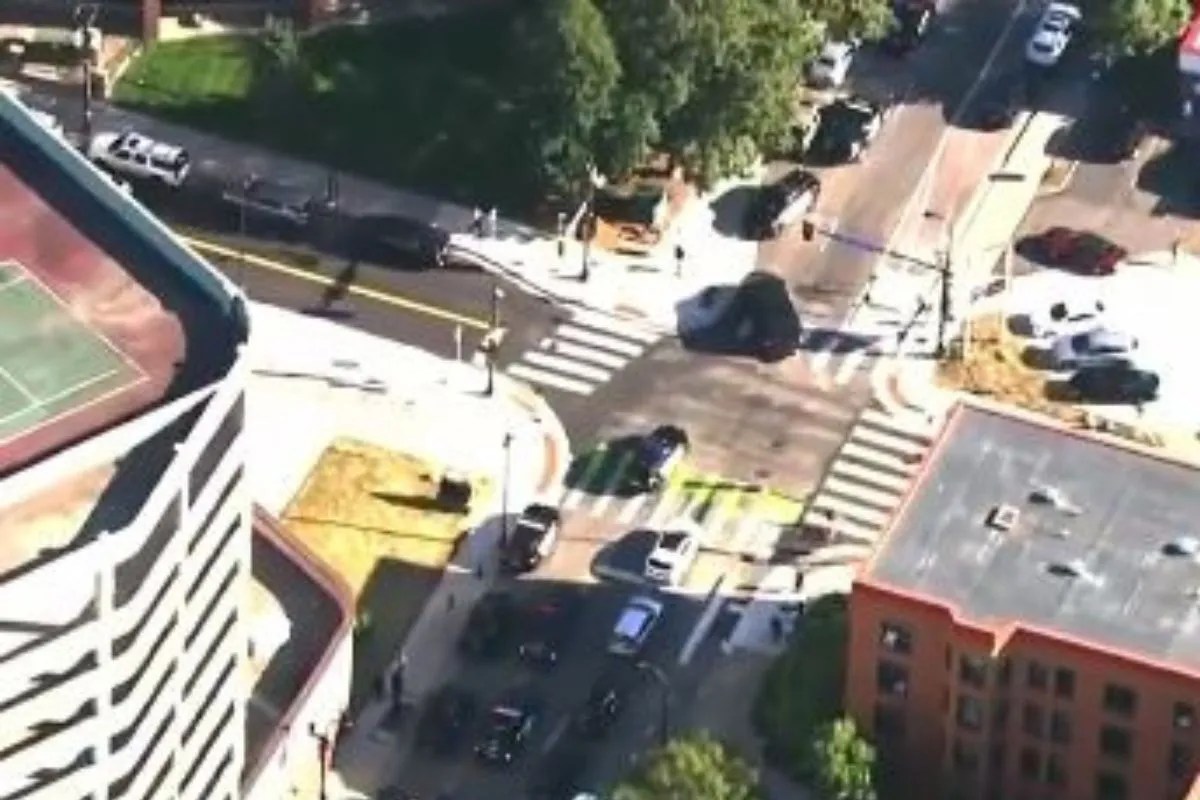
On a Tuesday evening, safety vanished inside a Minneapolis apartment building. Chaos erupted at 15 East Grant Street. By the time local law enforcement secured the perimeter, three lives were over, including the suspected gunman. Four others suffered injuries.
Let's look past the surface headlines. You need to know the full scope of this tragedy, how federal agencies responded, and why urban safety protocols are failing.
The Timeline of Terror in Downtown Minneapolis
The shooting started around 5:45 PM local time. Downtown was busy. Commuters were heading home. Residents were settling in for the evening.
Suddenly, shots rang out inside an apartment complex near South Marquette Avenue. Minneapolis Police Department squads rushed to the scene. Sergeant Garrett Parton later confirmed the grim reality to reporters: the shooter was dead. Investigators are still piecing together the exact mechanics of the attacker's death.
Bullets don't just hit targets; they pierce communities. Three police officers were among the wounded. First responders transported seven total victims to Hennepin County Medical Center. Surgeons rushed to operate on at least three patients with severe trauma.
Federal Agencies Step In Fast
Local police didn't have to handle the crisis alone. The scale of the violence drew immediate federal intervention.
Special agents from the Bureau of Alcohol, Tobacco, Firearms and Explosives (ATF) deployed to the East Grant Street location immediately after the active shooter reports surfaced. The Federal Bureau of Investigation (FBI) also mobilized. FBI Director Kash Patel confirmed that federal personnel were dispatched to support local authorities with all necessary investigative resources.
Why does federal involvement matter here? When law enforcement officers are shot, federal agencies expand their operational footprint to check for wider conspiracies, illegal gun trafficking rings, or coordinated threats.
Ripple Effects Across the City
A shooting downtown doesn't stay confined to one building. Fear spreads instantly.
Nearby educational institutions locked their doors to protect students and faculty. The University of St. Thomas Minneapolis campus enacted a strict lockdown. University officials noted that going into lockdown was an abundance of caution, but parents and students panicked nonetheless.
Streets around the shooting zone were cordoned off. Police warned civilians to steer completely clear of the 15 East Grant Street corridor. Public transit experienced delays. Local businesses pulled down their shutters early.
What We Still Don't Know
Transparency takes time during active investigations. Several crucial questions remain unanswered:
- What motivated the shooter?
- Did the suspect have a history of violent offenses or prior interactions with local police?
- How did the suspect acquire the firearm used in the attack?
- Are the surviving victims out of critical condition?
Law officials are tight-lipped. Forensic teams are processing ballistic evidence inside the apartment complex.
Staying Safe in Urban Centers
Incidents like this remind us how fragile public security can be. You can't control a rogue gunman, but you can practice situational awareness. If you live in a major metropolitan apartment building, know your emergency exits. Pay attention to security alerts from local authorities. Keep your doors locked, and report suspicious domestic disturbances to property management or police before they escalate into tragedies.
Take a moment to check your local emergency notification systems today. Make sure your phone receives geo-targeted alerts. Preparedness saves lives when seconds count.