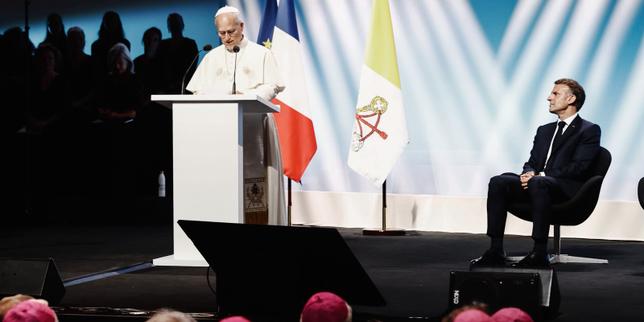
Pope Leo XIV wrapped up his historic four-day tour of France in Metz today, delivering a stark political message that rattled nationalist movements across the continent. While papal trips often stick to safe theological talking points, this one broke the mold. Standing at the Robert Schuman European Centre in a border region scarred by past wars, the pontiff took direct aim at the rising tide of Euroscepticism and nationalism.
If you've been watching European politics lately, you know the stakes couldn't be higher. With French presidential elections looming next April and far-right figures climbing in the polls, Leo's heavy lean into European unity wasn't just a casual lecture on history. It was an explicit political stance.
The Symbolism of Metz
Why Metz? The choice wasn't accidental. This northeastern French city sits in Alsace-Lorraine, a historic flashpoint that changed hands between France and Germany for generations over coal and iron ore. Out of those ashes came Robert Schuman, a devout Catholic and former French foreign minister who proposed pooling steel and coal production in 1950 to make future war unthinkable. That exact idea birthed what we now call the European Union.
Schuman is currently on the path to Catholic sainthood, and Leo invoked his memory to push back against modern borders and isolationist tempers. The Pope warned against a resurgent "desire for domination" hiding behind modern conflicts and nationalistic policy shifts. He didn't mince words. He called the European Union more essential than ever to tackle global turbulence, migration pressures, and security threats like the war in Ukraine.
Navigating Laïcité in Modern France
The trip itself has been a high-wire act from the minute the pontiff landed at Orly airport on September 25. France guards its strict separation of church and state—known as laïcité—more fiercely than almost any other Western democracy. President Emmanuel Macron greeted the Pope, and the two held intense closed-door talks at the Élysée Palace covering everything from artificial intelligence guardrails to geopolitics.
Yet, true to French secular tradition, Macron didn't attend papal Masses, carefully walking the line between diplomatic respect and constitutional boundaries. But in Metz, Macron stood alongside Leo, introducing the pontiff and underscoring the deep historic ties binding the republic to the broader European project.
Critics might argue that a religious leader has no business wading into messy continental politics. But Leo is betting that moral authority carries weight when secular politicians falter. Just two months ago, he took the dramatic step of excommunicating members of a Catholic society tied to Europe's far right, proving he's willing to back up his rhetoric with institutional discipline.
What This Means for the Future
The timing of this visit puts immense pressure on French voters and EU policymakers alike. As populist movements gain traction by promising national isolation, the Vatican is throwing its full weight behind multilateralism.
Leo closed his final address with a direct plea to younger Europeans: do not give in to the mentality of violence, love life at every turn, and refuse to let fear dictate your politics. Whether voters will listen is an entirely different question. But one thing is clear. The Vatican has officially entered the chat on Europe's political future, and ignoring that shift is no longer an option.