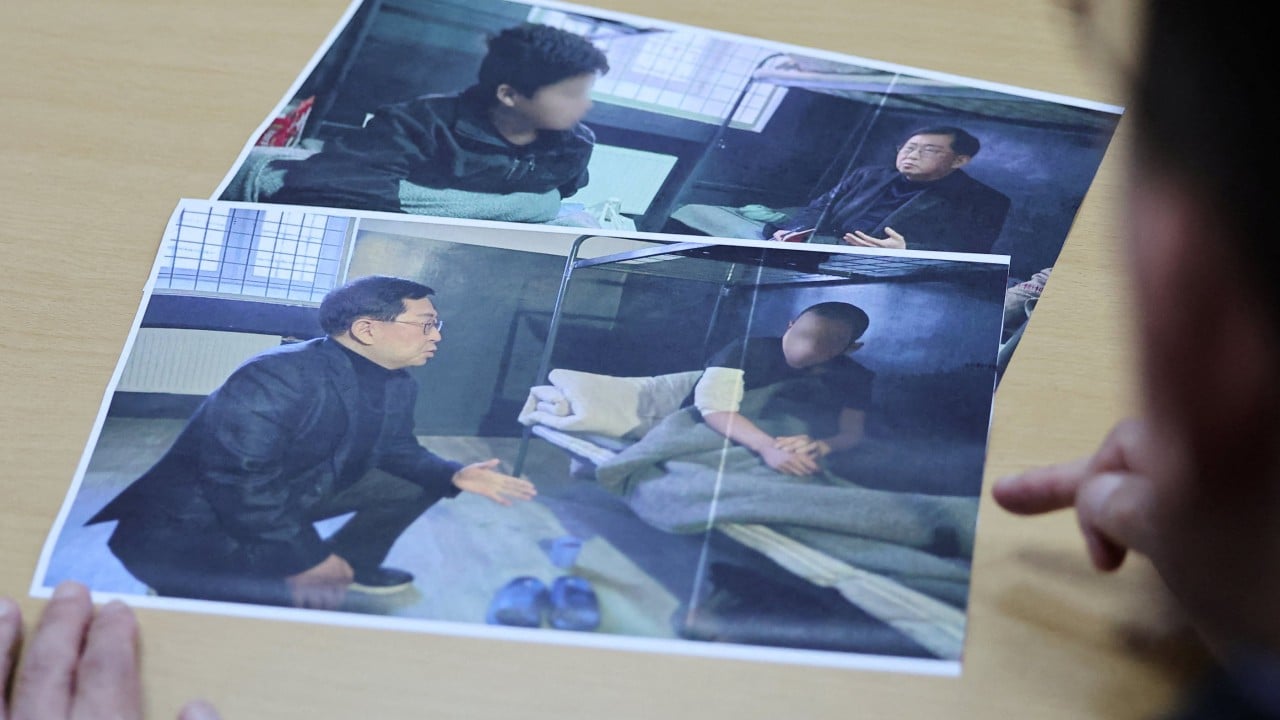
When Ukrainian President Volodymyr Zelenskyy took the podium at the United Nations and casually revealed that Kyiv had transferred two captured North Korean soldiers to South Korea, he probably thought he was scoring a brilliant propaganda win. He punched holes straight through Pyongyang's rigid soldier-loyalty narrative. But back in Seoul, officials weren't cheering. They were furious.
South Korea didn't want the secret out. The public disclosure violated a strict confidentiality agreement between the two governments, instantly plunging bilateral ties into a crisis and putting future aid arrangements at serious risk. If you are wondering how two captured soldiers from a distant European trench line could blow up an alliance in East Asia, you need to look past the battlefield headlines.
Breaking the Code of Silence
Seoul and Kyiv thought they had an understanding. The transfer of the two North Korean prisoners of war happened quietly behind closed doors, away from the glare of international media. South Korea's presidential office expected it to stay that way. When Zelenskyy blurted it out publicly, he shattered a diplomatic shield.
Seong Ghi-hong, South Korea’s senior presidential secretary for public relations, didn't mince words. He called the unilateral announcement a serious breach of trust that gravely damaged friendly relations. Seoul immediately demanded an official explanation and an apology.
Why was confidentiality so critical to begin with? South Korea treads carefully when dealing with North Korean defectors and prisoners due to deep-seated constitutional mandates and security sensitivities. Under South Korea's legal framework, North Koreans are technically considered citizens of the republic, which grants them the right to resettlement. However, broadcasting their capture and transfer into the country blows open a hornets' nest.
The Domestic and Regional Fallout
Seoul's current administration, led by President Lee Jae-myung, has taken a measured, cautious approach toward Pyongyang compared to previous hawkish leaderships. Keeping a low profile on sensitive military intelligence helps prevent provocative escalations across the 38th parallel.
When a foreign government broadcasts the return of North Korean POWs, it corners Seoul. Pyongyang uses deployed troops to project a fiercely loyal regime narrative. Public confirmation of captured soldiers heading to the South risks forcing North Korea into a harsh, erratic reaction, raising tensions right on Seoul's doorstep.
Experts like Lim Eul-chul from Kyungnam University point out that this incident delivered a crushing blow to mutual trust. It wasn't just a minor diplomatic misunderstanding; it was a unilateral breaking of rules that changes how Seoul calculates its foreign policy risks.
What This Means for Aid and Weapon Requests
Ukraine needs weapons. Kyiv has spent months lobbying global allies for heavy armaments, defensive gear, and artillery support to stave off relentless Russian bombardments. South Korea has massive industrial defense capacity, but domestic laws and strict policies have historically barred Seoul from sending lethal weapons directly to active war zones.
Before this fallout, political momentum was quietly building in Seoul to reconsider defensive arms supplies, especially after North Korea deployed thousands of troops to aid Russia's war machine. Lawmakers and defense analysts were debating how far South Korea should go in supporting Ukraine's defense.
Now? Those conversations are freezing over. With trust severely fractured, any movement toward providing non-lethal or defensive assistance faces immense domestic political resistance. The South Korean government will inevitably slow down, second-guess, and scrutinize every single request coming out of Kyiv.
When international grandstanding overrides quiet diplomatic agreements, everyone loses. Kyiv wanted a quick headline at the UN, but it traded a short-term propaganda victory for long-term strategic support from one of its most capable potential partners.