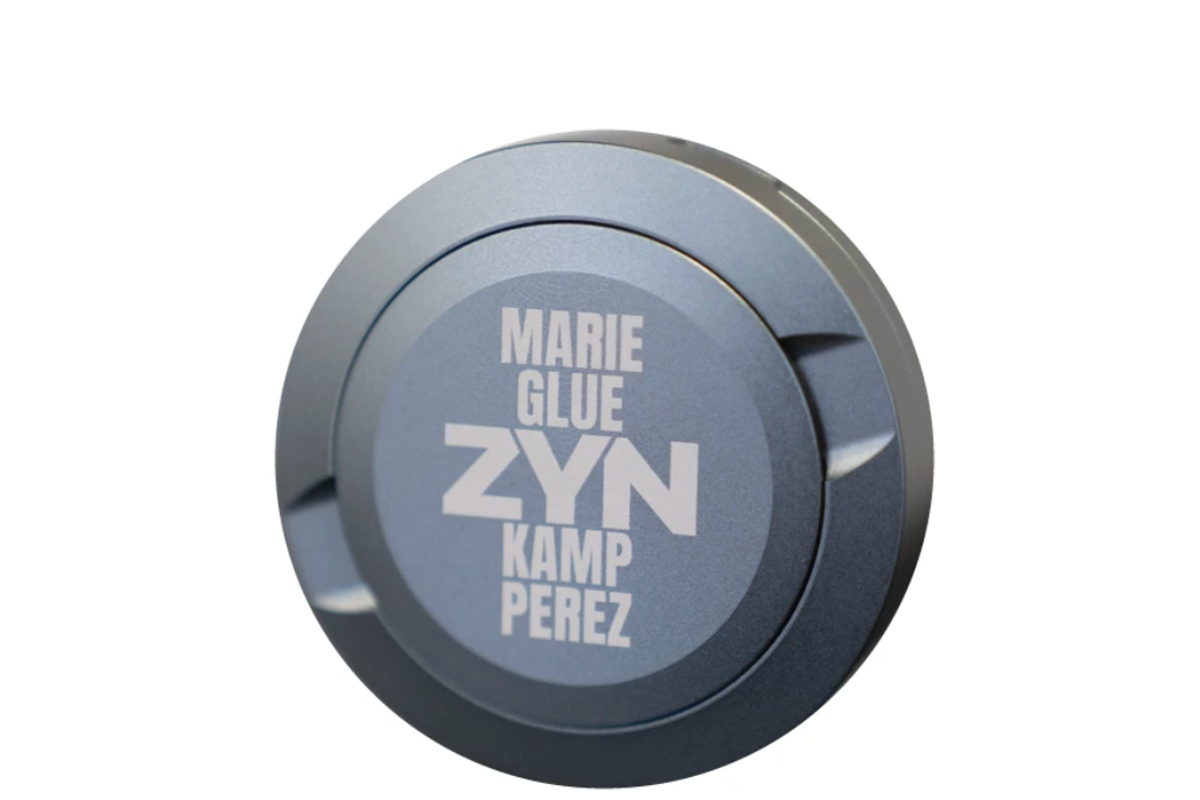
Campaign merch is usually boring. Yard signs collect dust. Bumper stickers peel off in the rain. So when Democratic Representative Marie Gluesenkamp Perez rolled out a custom metal storage tin bearing the punny moniker "Marie Glue-ZYN-Kamp Perez," political watchers took notice. It cost fifty bucks. It mimicked the ubiquitous circular containers of Zyn nicotine pouches. It lasted roughly twenty-four hours before Philip Morris International dropped a trademark-infringement cease-and-desist letter on the campaign.
The short-lived stunt highlights a desperate reality for battleground politicians. Incumbents fighting in ruby-red or swing districts will try absolutely anything to bridge the culture gap with young male voters. But turning corporate nicotine branding into a localized fundraising gimmick exposes the awkward limits of modern political marketing.
The Demographic Panic Driving Nicotine Stunts
If you look at the voting trends, the panic makes sense. Young men have drifted away from the Democratic Party in droves. In rural and working-class sectors, the cultural disconnect runs deep. Political consultants know this trend intimately. They spend millions trying to figure out how to speak the language of young voters who shop at local hardware stores, work construction, and spend their free time outdoors.
Enter Zyn. Nicotine pouches have become a cultural phenomenon among young men, surging wildly across the country over the last few years. According to recent public health data from tracking networks, nicotine pouch usage among young adults has nearly quadrupled, with a vast majority of those users being young males. It sits on the dashboard of every third truck at a job site.
Politicians noticed. Figures across the political spectrum have leaned into the trend, trying to show they understand the habits of modern blue-collar demographics. But when a vulnerable House Democrat representing a Washington district that Donald Trump carried multiple times tries to cash in on the habit with a clever pun, it crosses a fine line between relatable humor and forced pandering.
When Big Tobacco Calls the Shots
The stunt didn't survive long enough to build real momentum. Philip Morris International, the parent company of Zyn, moved swiftly to protect its intellectual property. A corporate spokesperson issued a clear statement noting that while they appreciate adult enthusiasm, using their trademark for political merchandise crosses legal lines and required an immediate halt.
The campaign quietly pulled the $50 tin from its online store by Wednesday afternoon, leaving behind standard coffee mugs and tote bags. Opponents pounced instantly on social media, mocking the effort as tone-deaf and artificial. Critics pointed out the irony of charging high prices for empty metal containers under the guise of grassroots authenticity, only to get shut down by corporate legal teams.
The Health Policy Reality Check
Beyond the political embarrassment, leaning into nicotine culture carries distinct public health baggage that campaigns rarely calculate. Health psychology experts draw direct parallels between the current pouch craze and the aggressive marketing tactics of the early vaping era. Sweet flavors, sleek packaging, and heavy social media presence have hooked a new generation on a powerful and addictive substance.
Researchers caution that long-term data on pouch safety remains sparse. Pushing these products into the political bloodstream normalizes a habit that medical professionals are still trying to understand. When elected officials turn addictive stimulants into quirky novelty items for campaign funding, they validate a corporate marketing machine that public health advocates have spent years pushing back against.
You can't manufacture cultural resonance with a clever label. Voters smell desperation faster than they smell mint flavoring. Authentic connection takes years of showing up in places that don't always clap for you, not twenty-four hours of viral marketing designed to squeeze fifty bucks out of internet culture.
‘Zyn’ sends Democratic Congresswoman a cease-and-desist
This video provides additional context regarding the cease-and-desist order issued against the congresswoman's campaign merchandise.
http://googleusercontent.com/youtube_content/1