Microsoft just cleared out 4,800 workers. It’s roughly 2.1% of its global workforce, and the timing couldn’t be more brutal. The announcements rolled out right as the company kicked off its new fiscal year.
If you follow the tech industry, you’ve probably seen the scary headlines. Mainstream financial blogs are screaming about an AI apocalypse. They want you to believe robots are actively marching into Redmond and taking over engineering desks.
It’s a neat story. It’s also completely wrong.
Let’s look at what’s actually happening behind closed doors at Microsoft. The real story isn't about AI replacing human beings. It is about a massive, painful structural pivot driven by a cratering stock price, Wall Street panic over a $700 billion industry-wide AI spending bill, and a genuine hardware crisis over at Xbox.
I’ve spent years tracking enterprise technology shifts, and this specific restructuring tells us everything about where Big Tech is heading over the next three years. If you want to understand how to protect your career or where corporate budgets are actually flowing, you need to ignore the surface-level noise.
The Trillion Dollar Panic Behind the 4,800 Cuts
Let's look at the numbers. Microsoft stock recently logged a brutal stretch, dropping nearly 23% in the first half of 2026. Over the last nine months, the company watched roughly $1.2 trillion in market value evaporate.
Why? Because Wall Street is losing its patience.
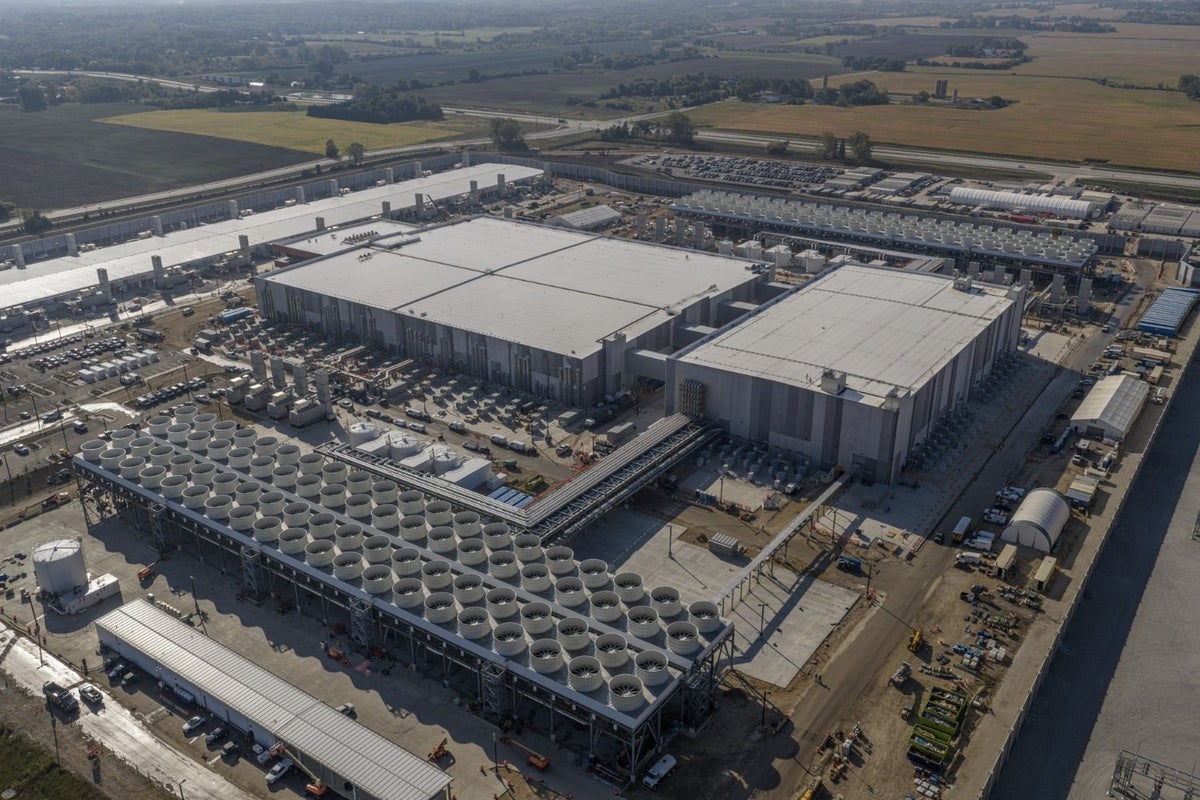
For the past couple of years, tech giants have been on an absolute spending binge. They built massive data centers, bought every Nvidia chip they could find, and told investors that generative AI would change the world overnight. But data centers are wildly expensive to build and maintain. Microsoft is projecting a mind-boggling $190 billion in capital expenditure just for 2026.
Investors are looking at these massive bills and asking a simple question: Where is the return on investment?
While Microsoft's AI annual recurring revenue did surge to $37 billion, the sheer cost of keeping this infrastructure alive is compressing margins. The market is jittery. To calm investor nerves, top executives had to show they can keep operating expenses in check. When a tech giant needs to preserve its profit margins quickly, the easiest lever to pull is headcount.
The Myth of the AI Job Replacement
In an internal memo to staff, Chief People Officer Amy Coleman was remarkably direct about one major detail. The roles eliminated are not being directly replaced by AI.
Don't mistake that for a lack of AI impact, though. There is a nuance here that most commentators completely miss. AI isn't sitting in a cubicle doing a former employee's job. Instead, AI tools like Copilot are automating routine, administrative, and basic programmatic tasks. This automation fundamentally changes the velocity and structure of corporate work.
When administrative overhead shrinks, you simply don't need the same density of middle management, traditional project managers, or generalist business program managers. Microsoft is using this moment to aggressively clear out institutional bloat. They already ran a massive voluntary buyout program earlier this year, letting roughly 9,000 U.S. employees walk out the door. These 4,800 fresh cuts are a forced continuation of that efficiency drive.
Xbox is Facing a Quiet Catastrophe
If you want to know where the axe fell hardest, look at the gaming division. About 1,600 of these job cuts hit Xbox immediately. Worse, internal leaks suggest total reductions in the gaming wing will hit 3,200 by the end of the fiscal year. That means a staggering 20% of the entire global Xbox workforce is getting wiped out.
Xbox CEO Asha Sharma didn't mince words in her communication. The division is operating at profit margins three to ten times lower than its direct platform and publishing competitors. Even more shocking: Xbox studios have been losing 64 cents for every single dollar invested.
Think about that. Excluding the massive Activision Blizzard King acquisition, Microsoft poured over $20 billion into content, platforms, and hardware subsidies over the last five years. The result? Annual revenue actually declined by nearly half a billion dollars during that exact same window.
The video game industry is trapped in a severe hardware crisis. The cost of manufacturing console components is soaring, forcing Microsoft to hike Xbox console prices at a time when consumer demand for gaming hardware is stagnant. The traditional console model is broken, and this 20% workforce reduction is a desperate, painful reset to keep the gaming business viable before a hoped-for return to growth in 2027.
The Rise of Frontier Company and Engineering Re-skilling
The layoffs tell you where Microsoft is shrinking, but their recent investments tell you exactly where they are growing. They aren't just cutting costs; they are reallocating capital to an entirely new model of corporate sales.
Just days before the layoffs, Microsoft quietly launched a $2.5 billion initiative called the Microsoft Frontier Company. The goal is to embed 6,000 highly specialized industry experts and software engineers directly inside customer organizations.
This explains why the commercial sales and consulting divisions were targeted so heavily in this layoff wave. The old way of selling enterprise software—where smooth-talking account executives gave PowerPoint presentations and signed multi-year licensing deals—is dying.
Customers don't want to buy generic AI licenses anymore. They want to know how to actually implement complex generative AI models, manage their cloud spending (a practice known as FinOps), and guarantee a return on investment.
Microsoft is reducing traditional sales and marketing roles because they need highly technical builders who can sit side-by-side with clients. They are actively trying to re-skill existing engineers for customer-facing positions, moving away from purely internal product development.
How to Navigate the New Tech Employment Landscape
If you work in tech or rely on enterprise software partnerships, you can't just look at this as another standard layoff cycle. The rules of the game have fundamentally changed. Here is what you should do next to protect your career and business strategy.
First, audit your skill set for direct business value. Generalist roles that focus purely on coordination, basic project tracking, or traditional account management are highly vulnerable. If your daily tasks can be streamlined by an advanced LLM workflow, your role is a target for the next efficiency reorganization. Focus on acquiring deep technical execution skills or specialized domain expertise that can't be easily systematized.
Second, if you're a developer, look toward the enterprise implementation space. The immediate future of tech employment isn't just building new isolated apps; it's embedding AI and cloud systems into legacy industries. Roles that bridge the gap between complex software engineering and real-world customer deployment are seeing a massive influx of funding.
Finally, prepare for an era of ongoing corporate volatility. Microsoft executives have already hinted that other parts of the business will need to undergo similar structural changes later this year. The era of predictable, bloated tech employment is over, and adaptability is your only real safety net.