Pakistan just escalated its high-stakes political crisis to an entirely new level. President Asif Ali Zardari declared a state of emergency in Khyber Pakhtunkhwa, effectively suspending the regional administration run by jailed former Prime Minister Imran Khan's party, the Pakistan Tehreek-e-Insaf (PTI).
This move strips the elected provincial government of its powers. It grants Islamabad sweeping direct control over the northwestern frontier. If you think this is just standard political posturing, think again. This represents a massive institutional collision between the federal coalition led by Prime Minister Shehbaz Sharif and the millions of voters who back Khan. You might also find this similar coverage useful: Why The Houthi Escalation In Saudi Arabia Changes Everything Now.
Why did Islamabad pull the trigger now? The official line from Prime Minister Sharif's office points directly to security failures. The federal cabinet argued that the PTI-led provincial government deliberately disengaged from the ongoing fight against Islamist militancy. Officials claim the federal government poured at least PKR 800 billion into Khyber Pakhtunkhwa over the past decade to boost security and combat terrorism, yet the ground situation deteriorated.
PTI officials see it differently. Party spokesmen condemned the declaration as a reckless and authoritarian maneuver. They argue that suspending an elected provincial government will only trigger deeper instability, collateral damage, and public backlash across the region. As discussed in latest reports by USA Today, the effects are worth noting.
The timing speaks volumes. This emergency declaration didn't happen in a vacuum. It follows a breakdown in talks between the federal government and PTI leaders over massive street protests and long marches toward Islamabad.
Supporters of Imran Khan have been mobilizing aggressively. Their core demands remain unchanged: an immediate meeting with the incarcerated former cricketer-turned-politician, access for his personal medical doctors, the release of arrested party members and supporters, and fair legal hearings for Khan and his wife, Bushra Bibi.
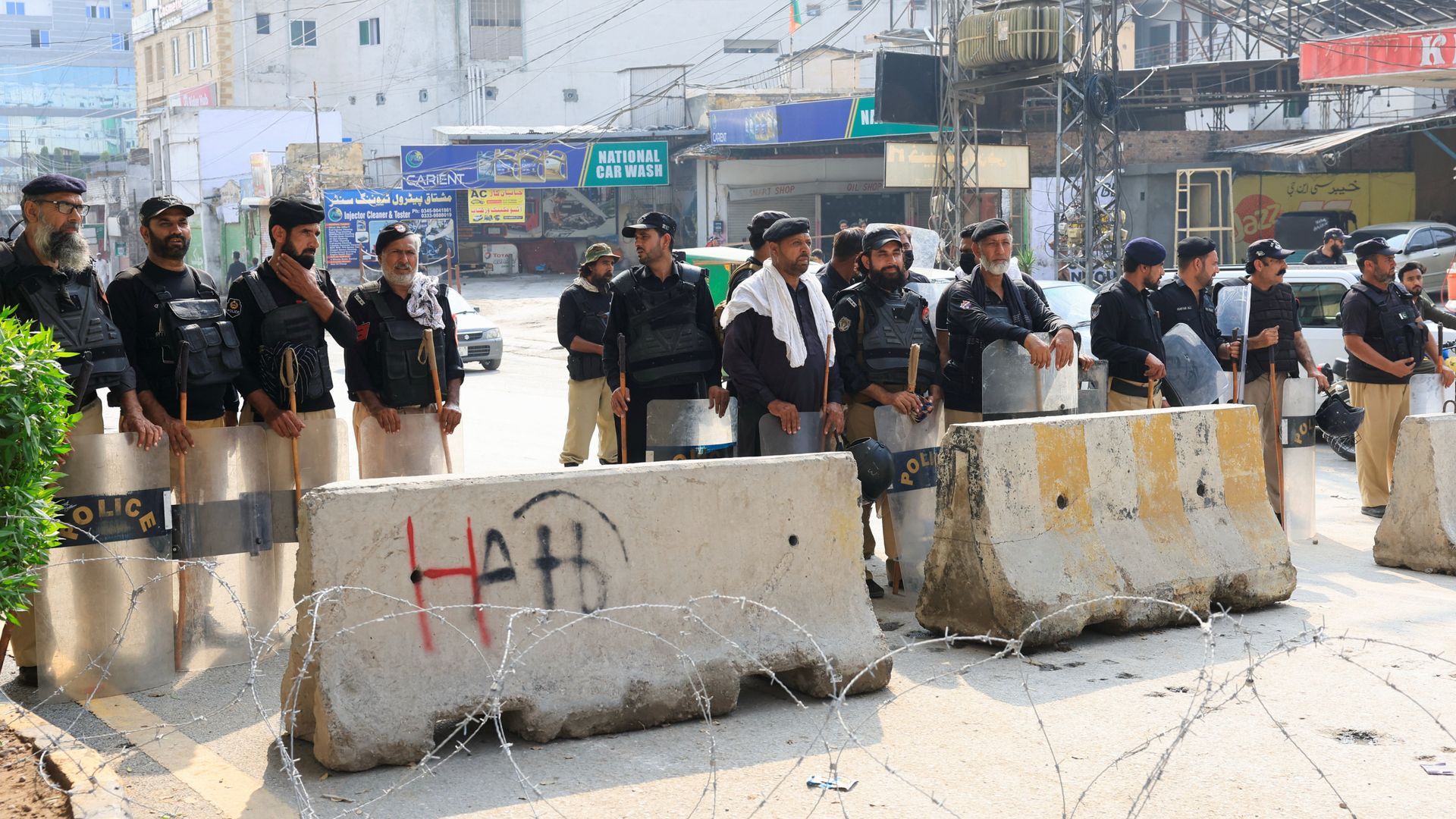
Khan has been locked inside Adiala Jail in Rawalpindi since 2023. He faces over 100 separate legal cases, ranging from corruption allegations to charges of inciting violence. The federal government drew a hard line, demanding that protesters call off their demonstrations before any negotiations could proceed. PTI leadership refused. Shipping containers blocked roads leading to Islamabad, security forces tightened the perimeter, and the standoff curdled into an open constitutional crisis.
What happens next remains unpredictable. By invoking emergency powers under security-related constitutional articles, Islamabad has effectively shattered the boundaries of provincial self-governance. Analysts are already warning that this sets a dangerous precedent. When the federal center can dissolve a hostile regional government under the banner of counter-terrorism, local democracy takes a permanent backseat to executive muscle.
For the people living in Khyber Pakhtunkhwa, the crisis hits close to home. They are caught directly in the crossfire between an entrenched federal apparatus and a populist opposition movement refusing to back down. The state of emergency may give Islamabad administrative control on paper, but it won't erase the deep political loyalty that Imran Khan commands on the ground.
Expect resistance, friction, and further polarization. This conflict is far from settled.