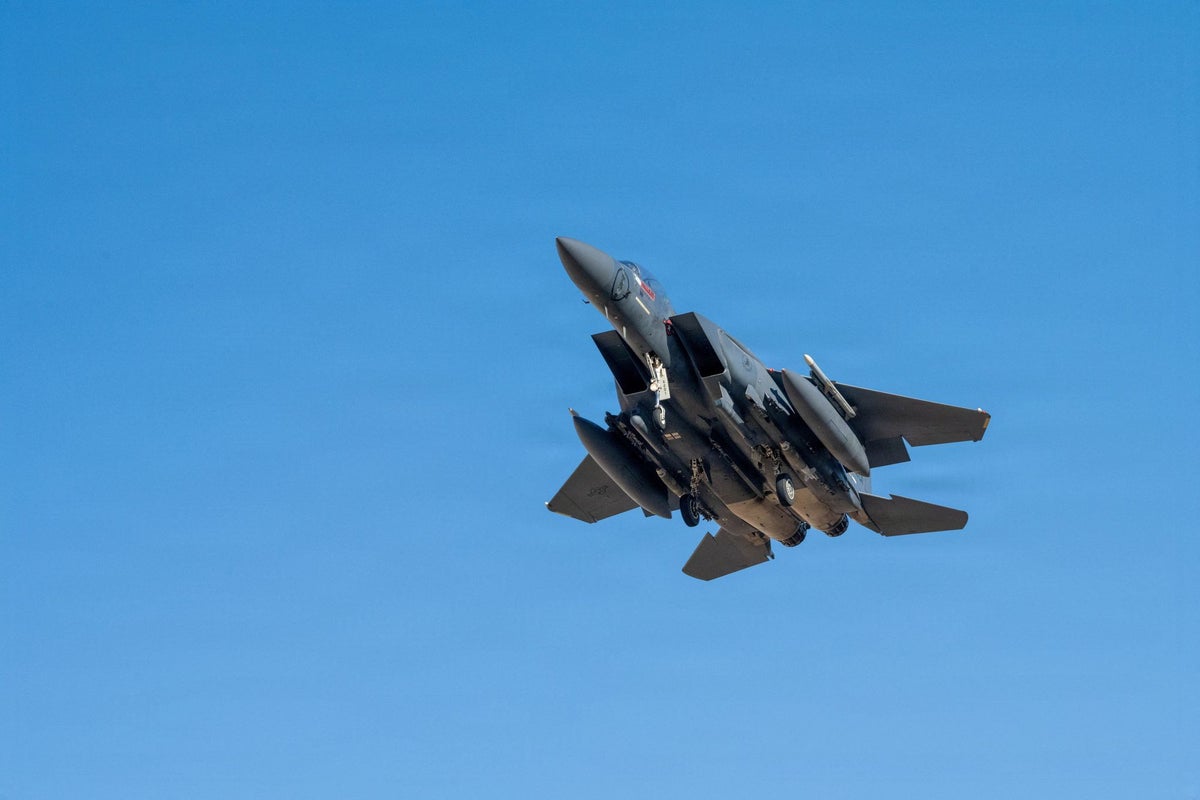
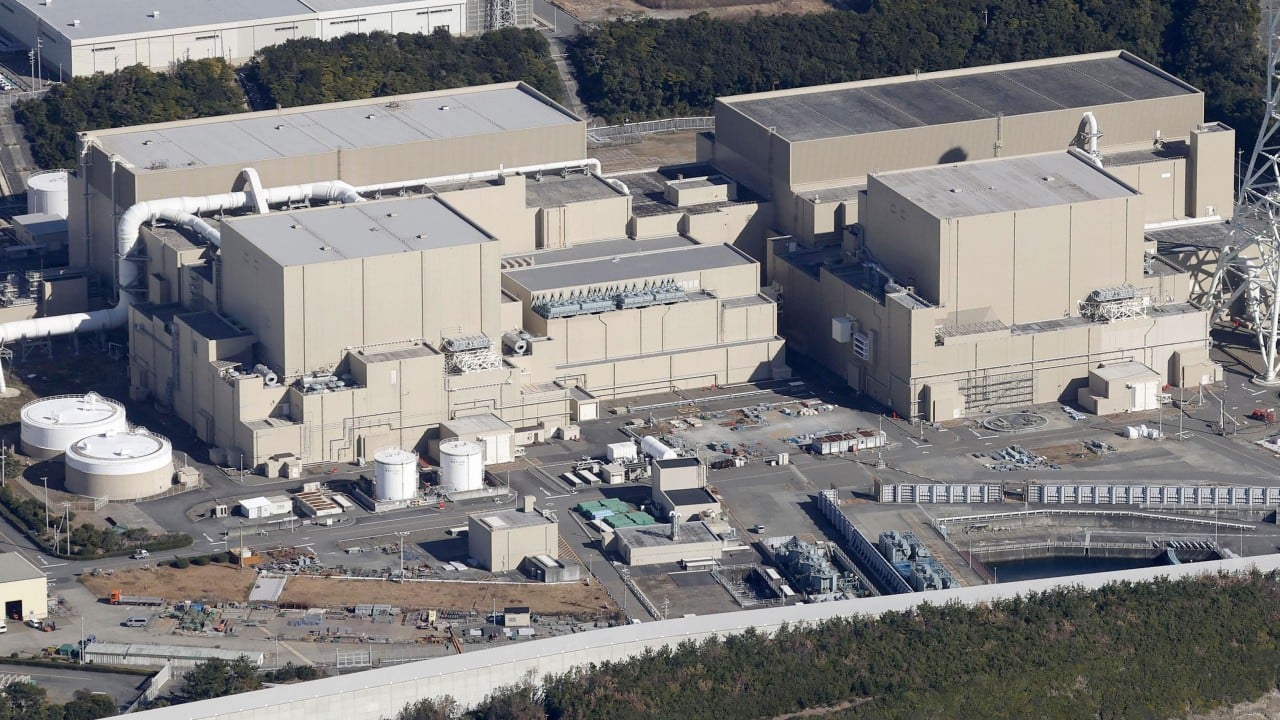
When the guns started firing around Niamey's Diori Hamani International Airport, General Abdourahamane Tchiani faced his worst nightmare. It wasn't an external insurgent group storming the capital. It was his own troops.
The failed mutiny exposed deep structural fractures inside Niger's military government. More importantly, it laid bare a stark reality that Niamey's leaders spent months trying to spin: the regime in power survives only because of Moscow. If you liked this piece, you should look at: this related article.
When the dust settled after the fierce overnight clashes near Base 101 and the presidential palace, around 27 people were dead and more than 100 mutineers sat under arrest. But loyalist presidential guards alone didn't save the government. Roughly 200 Russian Africa Corps soldiers, backed by drones and reinforced from nearby Mali and Libya, stepped in to help retake the strategic airbase.
That intervention changes everything about how we look at the Sahel. For another look on this event, see the recent update from Al Jazeera.
The Illusion of Self-Reliance Shattered
When Tchiani's military junta seized power in 2023 and systematically expelled French and American troops, they sold a clear narrative to the public. They claimed Nigerien sovereignty was finally being reclaimed. They promised that replacing Western security partnerships with Russian backing would purely supercharge the domestic fight against armed groups like al-Qaeda and ISIL affiliates.
The late-August mutiny shattered that talking point completely.
Russian boots on the ground are no longer just tracking insurgents in the desert. They are now actively preserving the regime from internal armed threats. When low- and middle-ranking soldiers turned their weapons on the state, Moscow's personnel provided the crucial mechanical and tactical edge required to put the uprising down.
As Sahel experts pointed out, the Russians basically saved the day. Without that rapid response and aerial support around the airport complex, the outcome in Niamey could have looked entirely different.
Why the Ranks Are Breaking
You have to look at the ground-level conditions to understand why soldiers turned on Tchiani.
Front-line troops bear the brunt of an unrelenting insurgency. They suffer heavy casualties in places like Ouallam, Tera, and Dosso. They face an enemy that is often just as well-equipped as they are. Meanwhile, elite units stationed safely in the capital enjoy better protection, superior conditions, and higher pay scales.
That massive gap in treatment breeds resentment. When soldiers are dying on the front lines while leadership consolidates power in Niamey, mutiny becomes an attractive option for desperate officers. The government responded to the crisis by executing a sweeping military command reshuffle, but a simple shakeup at the top doesn't fix systemic battlefield fatigue or resource inequality.
Blame Shifting and Geopolitical Friction
Instead of looking inward at these glaring internal grievances, the military government quickly pointed external fingers. Officials claimed foreign actors orchestrated the chaos, pointing the blame toward French and Emirati interests, alongside regional tensions involving neighboring states.
While analysts note that regional friction over major infrastructure projects like the Trans-Saharan Gas Pipeline creates plenty of smoke, these allegations remain unproven. They serve a convenient political purpose: distracting a weary public from the fact that Niger's own armed forces are fracturing from within.
At the same time, the crisis tests the real value of the Alliance of Sahel States. When Niamey faced a severe internal threat, the promised mutual assistance from neighboring military juntas did little compared to the heavy lifting done by Russian forces stationed at the airport.
What Comes Next for the Junta
Tchiani survived this specific power grab, but his position is deeply vulnerable.
Relying heavily on foreign mercenaries and paramilitary units to police your own military creates a dangerous dependency. It trades one form of external influence for another, while alienating domestic troops who signed up to remove foreign interference, not invite a new one to guard the palace doors.
The junta faces a brutal balancing act. If they don't improve conditions and equipment for front-line soldiers, another uprising is only a matter of time. If they rely too openly on Russian forces to crush domestic dissent, they lose whatever remaining nationalist legitimacy they claimed when they first took power.
Keep a close eye on the troop deployments in Niamey. The real test of the regime's survival isn't fighting insurgents in the periphery anymore. It is keeping the peace inside its own barracks.