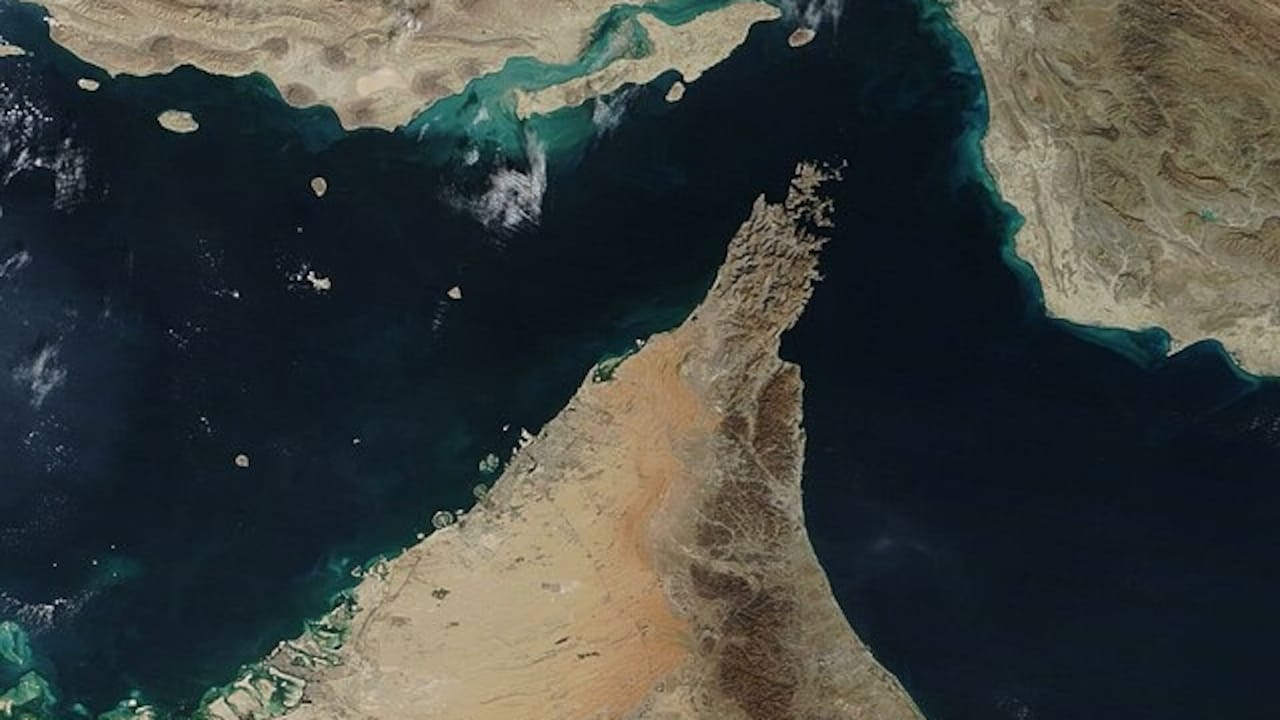
A commercial ship taking fire inside the Strait of Hormuz isn't just another routine maritime incident; it's a flashing red siren for global energy markets already teetering on the edge. The United Kingdom Maritime Trade Operations confirmed that an unknown projectile struck a vessel navigating this critical chokepoint, instantly plunging tanker routes back into high-stakes volatility. When a strategic passage handling a massive share of the planet's oil traffic starts catching stray ordinance, the ripple effects hit gas pumps and shipping insurance offices worldwide within hours.
You're looking at a scenario where geopolitical posturing directly dictates whether everyday commuters pay six dollars a gallon for diesel. Understanding why this specific strike matters requires looking past the brief headline and tracking how nervous energy markets react when regional conflicts threaten the world's most congested oil lanes. Discover more on a related issue: this related article.
The Chokepoint Crisis No One Wants to Fix
The Strait of Hormuz has essentially functioned as a high-risk zone for months, but physical strikes on commercial transit take the crisis to an entirely different tier. Maritime security firms have spent years advising ship captains to run dark, alter navigation paths, and maintain maximum alert levels near Iranian and Gulf waters. Yet, dodging an unknown projectile is a different game entirely.
Let's look at the numbers. The region's transport networks have already weathered heavy pressure due to broader conflicts closing parts of the Bab el-Mandeb strait down in the Red Sea. When Saudi Arabia temporarily shut down its major 1,200-kilometer East-West oil pipeline following drone strikes originating from Iraq, the safety valves keeping global crude flowing vanished. That pipeline moves roughly 4 million to 5 million barrels every single day—about 4 to 5 percent of the entire global supply. Additional reporting by NPR highlights comparable views on the subject.
When you take alternative routes offline and simultaneously start shooting at vessels in the Strait of Hormuz, global energy stability breaks down fast. Shippers don't care about political rhetoric. They care about hull insurance costs, which skyrocket the moment a projectile hits an unidentified commercial tanker.
Why Washington and Tehran Remain at an Impasse
Blame is tossed around instantly after every explosion, but finding a diplomatic off-ramp looks nearly impossible right now. US officials point the finger straight at Tehran or proxy networks operating across Iraq and Yemen. Meanwhile, Iranian parliamentary committees make it clear that dialogue won't happen unless specific national demands are met, including recognition of Iranian oversight regarding transit fees inside the strait.
Washington flatly rejects those conditions, keeping a military standoff locked in place. Crown Prince Mohammed bin Salman recently reached out to US leadership asking for direct military assistance against regional threats, highlighting just how exposed Saudi infrastructure has become. The official response from Washington leans heavily toward intelligence sharing rather than boots-on-the-ground military intervention. That hesitation leaves Gulf exporters to manage multi-front security threats with minimal foreign muscle.
Key Factors Driving the Current Maritime Danger
- Alternative Pipelines Compromised: The Saudi East-West pipeline shutdown removed the primary backup route that previously bypassed Gulf chokepoints.
- Proxy Network Expansion: Armed groups operating across multiple borders have increased their reach, targeting energy infrastructure and shipping lanes simultaneously.
- Insurance and Freight Spikes: Marine insurers are aggressively adjusting risk premiums, pushing operational expenses higher for every cargo owner moving goods through the Middle East.
What Happens Next for Global Shipping
If you run supply chains or track commodity pricing, you cannot afford to treat these incidents as isolated anomalies. The combination of stalled talks in Oman, ongoing naval skirmishes, and targeted strikes on commercial shipping means volatility is here to stay. Energy traders are already pricing Brent crude well above $100 a barrel, and retail fuel markets are reacting with brutal speed.
Protecting commercial interests in these waters requires accepting that traditional naval escorts can't cover every mile of open ocean. Cargo operators are forced to weigh the immense financial upside of completing a Gulf voyage against the catastrophic cost of losing a vessel to an incoming projectile. Keep a close eye on regional diplomatic summits and maritime insurance adjustments over the coming weeks, because those metrics will tell you how bad the next supply squeeze is going to get before the mainstream media catches up.