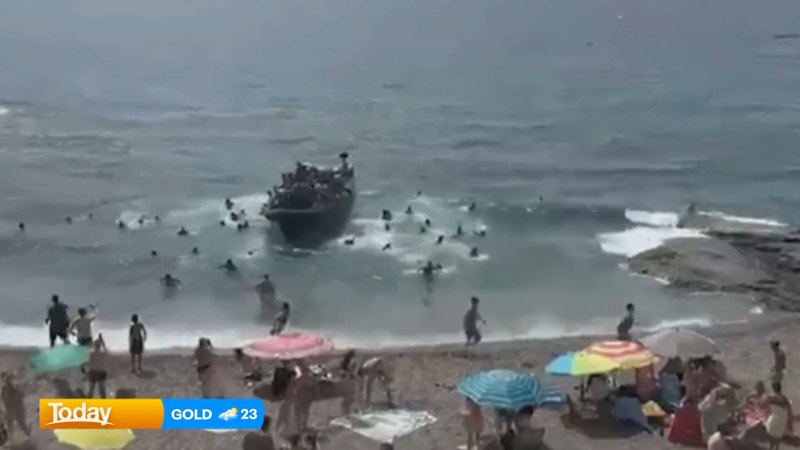
The sight of a speedboat cutting through the surf, followed by dozens of people jumping into the water and wading ashore, is usually the stuff of extreme sports or film sets. For sunbathers at the La Manga Club in Murcia on August 19, 2026, it was a sudden, confusing reality. About 60 migrants reached the Spanish mainland in broad daylight, turning a standard afternoon at a resort into a flashpoint for a heated political debate.
This wasn't some remote, hidden stretch of sand. It was a high-traffic area. Tourists didn't know whether to grab their cameras, retreat to their cars, or call the authorities. Honestly, the scene was chaotic. You don't expect to be handed a ringside seat to an international humanitarian crisis while you're trying to work on your tan.
Why This Incident Matters Right Now
You might wonder why this specific arrival generated so much noise. After all, irregular migration to Spain isn't a new phenomenon. It's been a constant struggle for years. But the geography here is the kicker. La Manga is a premier tourist destination, famously used by elite football squads and thousands of holidaymakers. When these routes shift from isolated coastal cliffs to the front lawns of luxury resorts, the "out of sight, out of mind" logic breaks down.
Local frustration is boiling over. Former mayors and regional politicians are asking the same question: Why aren't surveillance systems stopping these boats before they hit the sand? It’s a valid point. If a boat carrying 60 people can reach a major tourist hub without detection, it reveals massive gaps in coastal monitoring.
The Broader Context of 2026
If you're paying attention to the news, you know this summer has been intense for Spain. We saw the massive influx into Ceuta in late July, where tens of thousands breached the border. That situation created a domino effect. Facilities are overflowing. Emotions are high. The Spanish government’s decision to allow 500 minors from the Ceuta enclave to move to the mainland marks a major shift in policy, and it's being watched closely by every other EU member state.
Basically, the system is stretched thin. You have:
- Smuggling networks evolving their tactics to avoid patrols.
- Local municipalities left to deal with the immediate aftermath of arrivals.
- A central government in Madrid trying to balance international agreements with domestic pressure.
What Happens After the Landing
Once the shock of the arrival fades, the legal machinery kicks in. In the Murcia incident, the Spanish Civil Guard detained the group. The Red Cross assessed their health. From there, they move into the National Police system. It’s a long, uncertain process.
Many people mistakenly believe these arrivals are random. They aren't. They’re often the end result of highly organized smuggling operations that charge significant sums to put people on these boats. The people on those boats? They're usually in good health, but they’ve just survived a high-risk crossing that often involves hours of exposure to the elements.
Stop Overthinking the Migration Debate
It’s easy to get lost in the political spin. Some claim this is an invasion; others argue it’s a symptom of global economic desperation. The truth is usually more mundane and much more difficult to fix. Smugglers know the patrol schedules. They know where the gaps in radar coverage are. As long as there is high demand for passage and a lack of legal, safe alternatives, these "surprise" landings will continue to happen.
If you’re planning a trip to the Mediterranean coast, keep this in mind: migration is part of the local reality now. It’s not a background event anymore. It’s happening in plain sight.
Actionable Takeaways for Understanding the Situation
- Follow local Spanish news sources. They provide better ground-level reporting on specific incidents than the global wires.
- Understand the geography. Arrivals in the Canary Islands or Ceuta are different from mainland landings in Murcia. The logistical challenges for the government differ wildly in each location.
- Look for policy shifts. Keep an eye on how the government handles the reallocation of minors from Ceuta. That decision is a major indicator of how Madrid intends to manage the pressure for the rest of the year.
The beach at La Manga will likely be quiet again by next week. The tourists will return. But the pressure on Spain’s borders isn't going anywhere. It’s time we stopped acting surprised when these stories break and start looking at the structural failures allowing them to happen.