The fragile truce between Israel and Hezbollah is looking more like a suggestion than a hard limit. Eleven people are dead after Saturday’s airstrikes in southern Lebanon, marking the deadliest single day of violence since the current ceasefire took effect back in June. If you’ve been following the headlines, you know the pattern: a supposed "framework for peace" gets announced, the ink barely dries, and then the bombs start falling again.
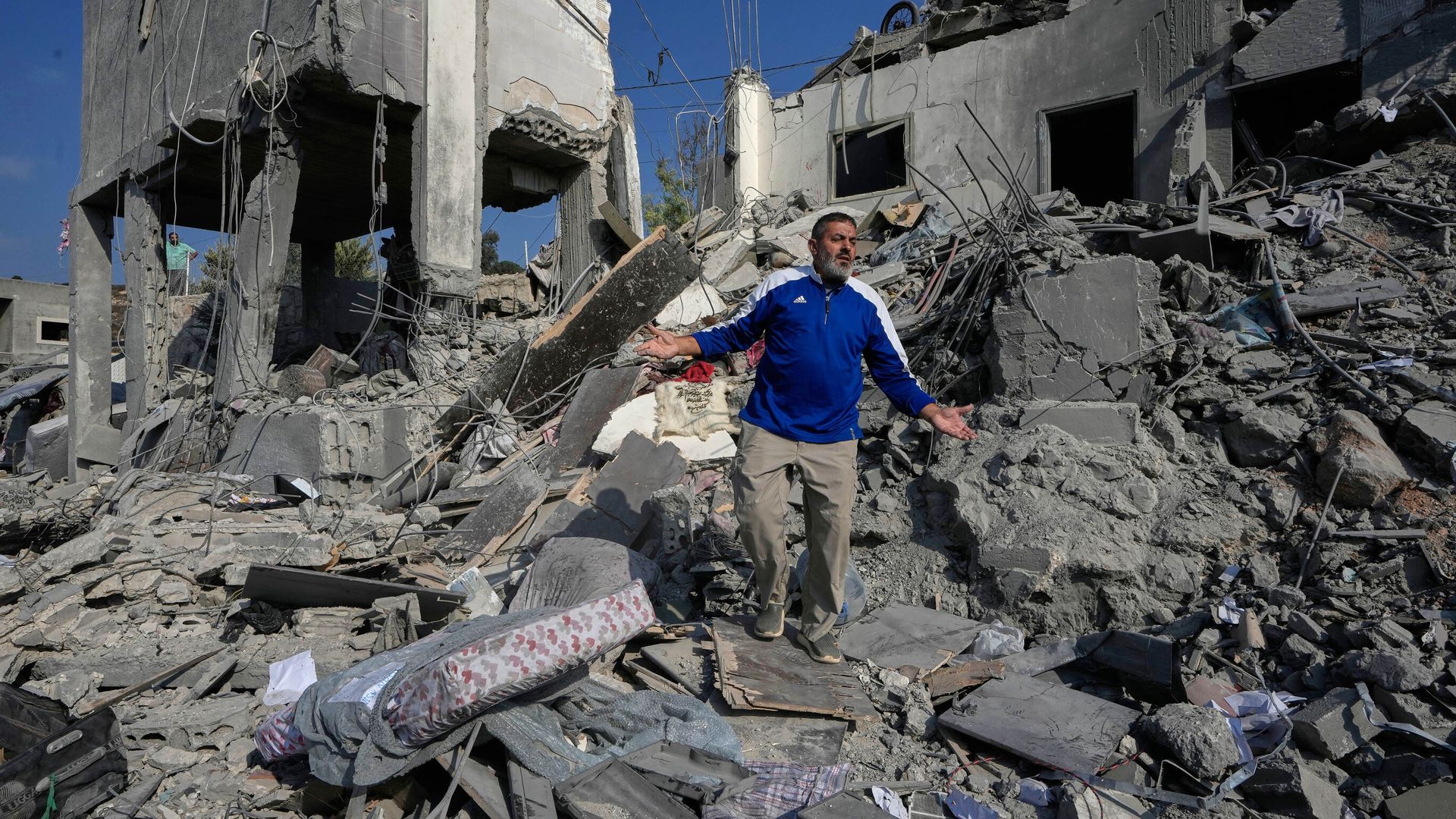
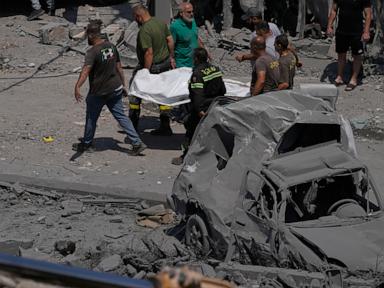
Let’s be clear about what’s happening on the ground. According to Lebanon’s Health Ministry, these strikes didn't just hit military outposts. They hit homes. In the village of Ansar, a strike claimed seven lives, including three children. Another four people were killed in Deir al-Zahrani. The Israeli military claims they were targeting "Hezbollah infrastructure" in response to an attack on their soldiers. Regardless of the tactical justification, the reality is that the local population is caught in the middle of a conflict that refuses to end. Meanwhile, you can read related events here: Why The New Federal Hunting Expansion Changes Everything For Sportsmen.
The Reality of the June Agreement
Back in late June, there was a brief moment of optimism. The U.S.-brokered framework was supposed to initiate a phased Israeli withdrawal from the south in exchange for Hezbollah disarming. It sounded like a plan on paper, but in practice, the gears are grinding to a halt. Hezbollah hasn’t just rejected the disarmament terms; they’ve openly accused the Lebanese government of selling out for empty promises.
Meanwhile, the Israeli government is under immense domestic pressure. Prime Minister Benjamin Netanyahu’s coalition is struggling in the polls ahead of elections scheduled for October. Escalation isn't just a military strategy right now; it’s a political tool. When you look at the recent uptick in border activity, it’s hard not to see the connection between the battlefield and the ballot box. To see the complete picture, check out the excellent report by Al Jazeera.
Why the Truce Feels So Weak
If you're wondering why this ceasefire feels like it's perpetually on the brink of collapse, look at the nature of the "violations." UNIFIL, the peacekeeping mission in the area, has been documenting hundreds of airspace breaches and projectile launches over the last week alone. It’s not just a single rogue event. It’s a systemic breakdown of the established boundaries.
- The Buffer Zone Trap: Israel continues to maintain a physical presence in parts of southern Lebanon. They claim it’s for self-defense and monitoring. The Lebanese government calls it an illegal occupation that undermines their sovereignty.
- The Political Deadlock: Direct talks, like the recent ones in Rome, are happening. Yet, they aren't producing the kind of concrete progress that actually stops the firing. Hezbollah isn't even a formal party to the negotiations, meaning any deal between Beirut and Tel Aviv is essentially ignoring the group that holds the most military weight in the south.
- Human Cost: More than 4,000 people have been killed in Lebanon since the war reignited in March. Over a million have been displaced. For these people, "truce" is a word that hasn't changed their reality one bit.
What to Watch Next
Don't expect a sudden return to peace. The current dynamic is defined by "manageable" escalation. Both sides want to avoid a total, all-out war that would mirror the intensity of early 2026, but neither side is willing to blink first.
If you're looking for signs of a real breakthrough, watch the specific troop movements, not the press releases. The withdrawal of Israeli forces from occupied villages is the only metric that matters for stability. As long as those forces remain in their current positions, the risk of a "miscalculation"—the kind that leads to another 11-person death toll—stays sky-high.
The international community is currently trying to keep the diplomatic track alive, but diplomacy requires a level of trust that simply doesn't exist between the current leadership in Israel and the militant factions in Lebanon. For now, the people in the south are living in a state of permanent uncertainty. Stay alert for further shifts in the border dynamics as October approaches. The political timeline in Israel will likely drive the military intensity on the ground.