Sal Argano got lucky on a Tuesday morning that shattered New York City. When hijacked jets struck the World Trade Center on September 11, 2001, Argano wasn't at his home base. He was working a temporary rotation in Brooklyn, miles away from the small downtown station known as Ten House.
That single twist of fate kept him alive.
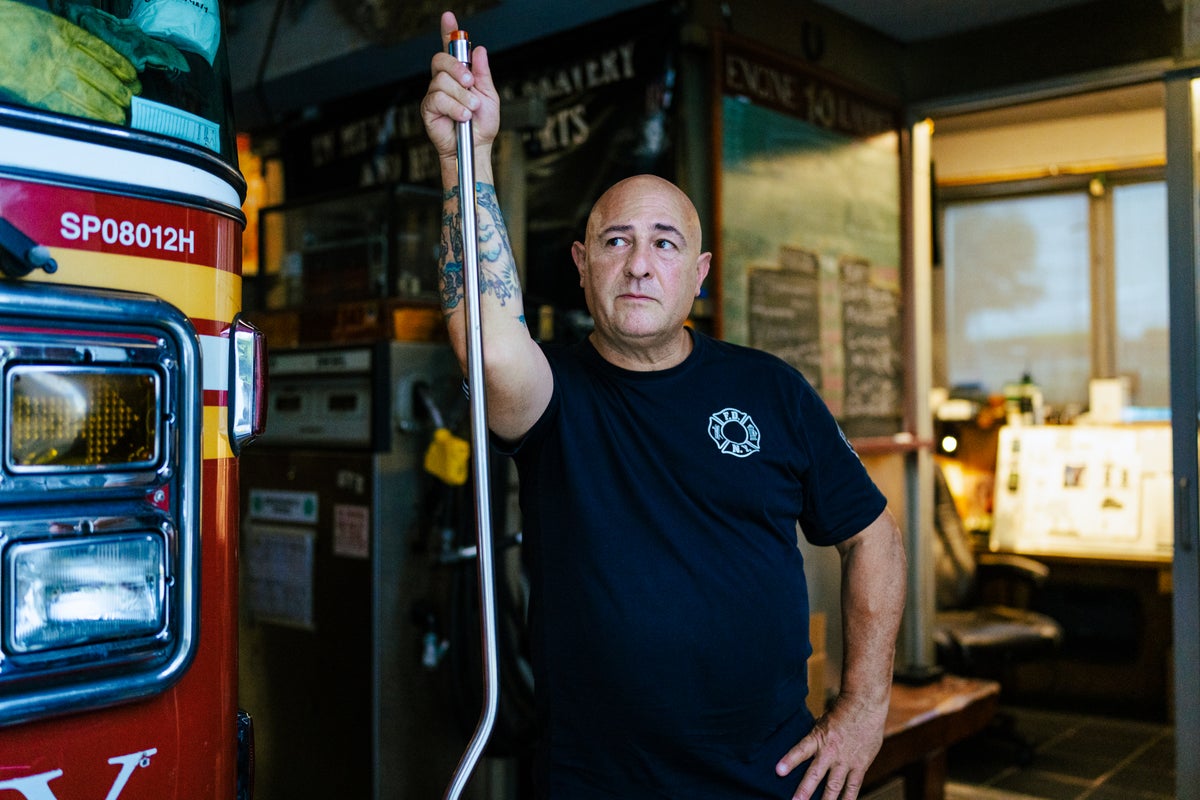
Nearly a quarter-century later, the landscape of Lower Manhattan looks entirely different. The twin towers are gone, replaced by twin memorial pools and soaring skyscrapers. Yet right across the street, Engine 10 and Ladder 10 still stand. And at 65 years old, Sal Argano is the last active firefighter left on staff who was assigned to that station on the day the world stopped.
A Routine Rotation That Saved a Life
Most people don't realize how close Argano came to being inside the collapse. On any other shift, he would have been sitting right there in the quarters of Engine 10 and Ladder 10, situated just feet from the towers. Instead, his assignment papers sent him across the East River to Brooklyn.
When the news broke, he didn't wait. He packed up, jumped into action, and rushed back downtown through the chaos.
He found his firehouse battered and scarred, but still standing. The news that followed was devastating. Six members of Ten House were among the 343 FDNY firefighters killed when the towers collapsed.
"If I wasn't sent out on rotation there would have been a good chance I would not be here today," Argano notes. "I think about that all the time."
Inside the Living Memorial of Ten House
Walking past Ten House today feels nothing like visiting a standard fire station. Tourists crowd the sidewalks by the thousands. They pause outside the station's red bay doors to photograph the gleaming rigs of Engine 10 and Ladder 10. They run their fingers over the heavy bronze relief plaque mounted on the exterior wall, reading the names of the firefighters who never came home.
For the crew working inside, emergency response is only part of the daily routine. They are also curators of living history.
Captain Terence Brody, who commands Ladder 10, points out that the station requires a very specific kind of patience. "This is definitely one of those companies where if you don't want to ingratiate yourself to the public, it's definitely not the right place," Brody explains. "People around the world know this firehouse. They're going to come by and say hello."
For Argano, handling those crowds means treating the badge and the building with absolute reverence. You'll often find him standing near the open bay doors, chatting with visitors, signing autographs, or posing for photos with international tourists and fellow firefighters.
The Generational Shift at Ground Zero
Time moves fast. Younger recruits walking through the doors of Ten House today were either toddlers or entirely unborn when the towers fell. For them, September 11 is a chapter in a history textbook. For Argano and veterans like Robert Favata—who joined the company in 2008 and watched the vast construction pit of Ground Zero slowly transform into a solemn memorial—it is raw, lived memory.
Argano makes it a point to bridge that gap. He tries to teach the younger generation that their duty extends beyond putting out fires.
"We have our fire duty, our responses, and then we have a responsibility toward the people outside," Argano says.
Inside the station, history hangs from the rafters. Helmets show the wear and tear of decades of service. Walls are lined with patches traded from fire departments across the globe. Every corner tells a story of brotherhood, grief, and survival.
Yet, patience can wear thin when visitors fail to grasp the gravity of the location. When someone approaches the station with casual indifference or asks flippant questions about what makes the building special, Argano feels the weight of the years. Explaining the depth of the loss requires more than a quick soundbite.
Holding the Line Against Time
At 65, Argano isn't rushing toward retirement. He still climbs behind the wheel of Engine 10, drives to calls, and puts in his shifts.
He stays because he worries about what happens when the very last eyewitness walks out the door for good. Once the people who remember the dust, the sirens, and the empty bunks are gone, the history risks fading into mere folklore.
"I'm not done," Argano says firmly. "I'm gonna be here as long as I can. I'm going to keep telling them what I know, what I saw, what I've been through. Telling them the history of this firehouse. Everything I can remember."
He intends to keep watch at the crossroads of memory and service until his time is truly up.