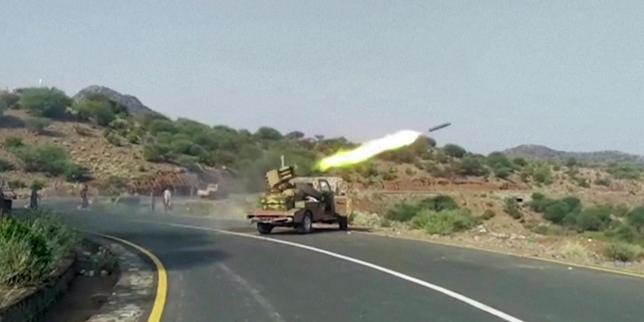
The skies over western Yemen lit up with dozens of devastating air raids this week, marking a dangerous new chapter in a conflict that refuse to stay dormant. If you thought the fragile calm in the region would hold, recent developments prove you're completely wrong.
When Saudi warplanes unleashed over fifty strikes in a single day, they weren't just responding in a vacuum. They were reacting to a brazen, coordinated barrage of ballistic missiles and explosive drones launched by Houthi rebels targeting military installations deep inside southern Saudi Arabia. Cities like Khamis Mushait and Abha shook from intense blasts, leaving residents sleepless and pushing Riyadh to retaliate with crushing force.
What Triggered the Sudden Escalation
To understand why Saudi Arabia came down so hard, you have to look at the bigger picture. The Houthi movement didn't just fire a few warning shots. They recently seized control of Yemen’s entire strategic Red Sea coast, including the vital Bab al-Mandab Strait and the port of Mokha.
With the wider regional conflict choking off traditional energy corridors elsewhere, the Bab al-Mandab Strait has turned into the world's most critical maritime chokepoint. Controlling it gives the Iran-backed group massive leverage over global oil shipping routes. When the Houthis capitalized on these territorial gains by launching heavy drone and missile attacks toward Saudi air bases, Riyadh had zero margin for error.
The High Cost on the Ground
Back in Yemen, the human toll of this tit-for-tat escalation is devastating. Local health officials and reports from Al-Masirah TV confirmed that retaliatory airstrikes obliterated vital infrastructure, including bridges in the heavily contested Taiz province, and left multiple civilians dead.
Meanwhile, ground clashes between Houthi fighters and Saudi-backed government forces continue to rage across multiple fronts, from Al-Jawf to Hodeida. Thousands have been displaced, and basic survival has become a daily struggle for millions caught in the crossfire.
Where This Conflict Is Heading
Most analysts miss the interconnected nature of these strikes. This isn't just an isolated Yemeni civil war anymore. It's a direct spillover of a broader geopolitical struggle that ties Tehran, Riyadh, and Western shipping lanes together in a volatile knot.
As long as the Houthis maintain their grip on the Red Sea coast and continue testing Saudi air defenses, Riyadh will keep using its air superiority to strike back. There's no diplomatic off-ramp in sight, and the risk of miscalculation grows every single day.