The rules of modern international conflict are rewriting themselves right in front of our eyes. While Western defense analysts spent the last two years predicting that economic isolation would bring Moscow to its knees, the Kremlin found an unexpected lifeline in Pyongyang. We aren't just talking about a casual trade agreement or a symbolic exchange of diplomatic handshakes. This is a full-scale industrial and military consolidation that has completely altered the firepower dynamics along the Ukrainian frontlines.
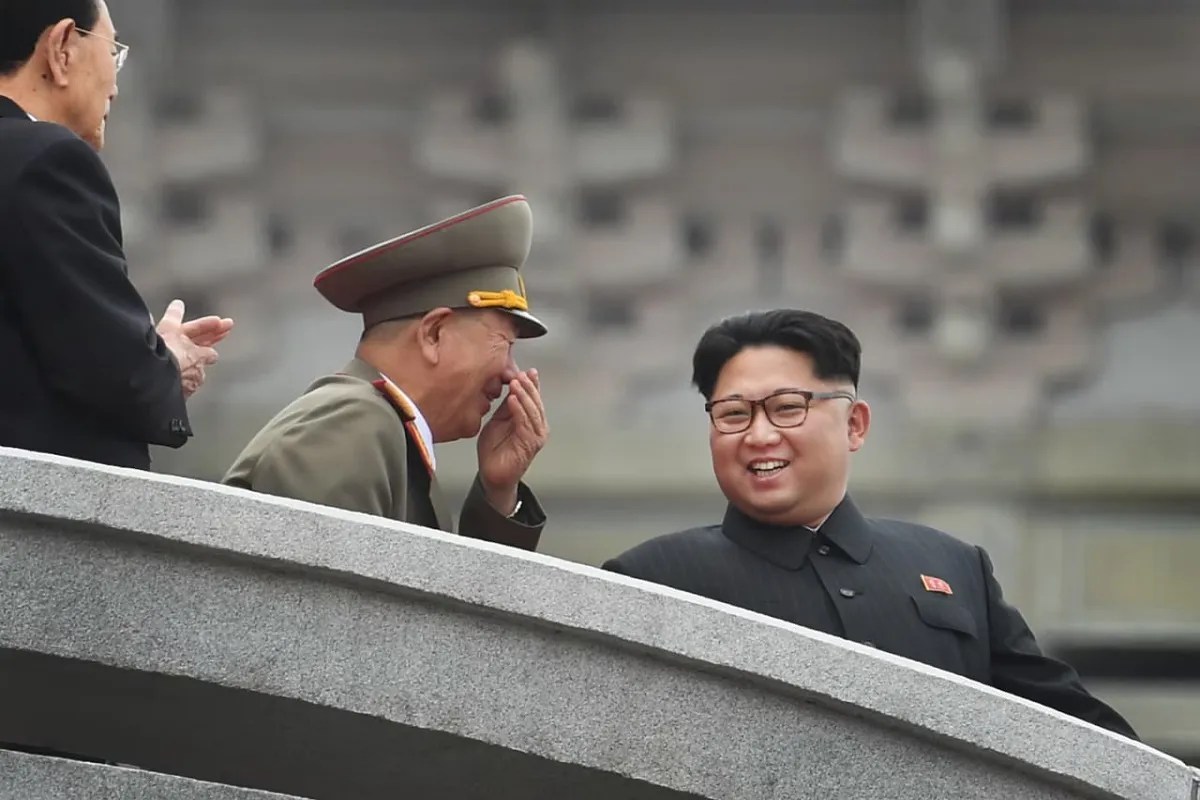
If you've been following the logistics of the war, you know that artillery consumption rates completely shattered NATO's pre-war manufacturing projections. Factories in Europe and the United States simply couldn't scale fast enough to match the daily expenditure of shells. Enter Kim Jong Un. According to intelligence assessments from multinational monitoring teams and independent defense institutes like the Institute for the Study of War, North Korea has funnelled millions of artillery rounds and dozens of ballistic missile shipments straight into Russian supply depots.
Why does this partnership work so effectively for both authoritarian leaders? Honestly, it's basic survival mixed with strategic opportunism. Russia needed an immediate, bottomless reservoir of conventional ammunition to sustain its grinding war of attrition. North Korea, sitting on decades of amassed ordnance built for a conflict that never ceased, had warehouses overflowing with 152mm and 122mm shells, rocket-propelled grenades, and heavy artillery packages. In return, Pyongyang gets vital hard currency, diplomatic backing on the global stage, and, most crucially, real-world combat telemetry and data for its latest missile tech.
The tactical fallout of this alliance has been devastating for Ukrainian air defenses. Reports from Ukrainian military intelligence highlight how Russian forces have deployed North Korean KN-23 and KN-24 ballistic missiles in high-profile, lethal strikes. These munitions pack a massive explosive payload, often larger than standard Russian Iskander-M variants. While defense experts point out that North Korean hardware can suffer from lower precision rates—leading to tragic civilian casualties when they hit residential areas—the sheer volume of incoming fire overwhelms depleted interceptor stocks. When Patriot systems are stretched thin, raw quantity becomes a terrifying substitute for surgical accuracy.
Beyond shells and missiles, the scope of cooperation keeps expanding into manpower and logistics. Ukrainian leadership and international intelligence agencies have raised serious red flags over reports detailing massive potential troop deployments and integrated missile units stationed inside Russian territory. Soldiers from North Korea aren't just reading manuals; they're gaining direct, first-hand exposure to modern drone warfare, electronic jamming, and multi-domain combat operations. That battlefield feedback loop is something money can't buy. Pyongyang is essentially testing its military hardware and personnel in a high-intensity European theater, turning the Ukrainian plains into a live laboratory.
The geopolitical ripple effects stretch far beyond the borders of Eastern Europe. Seoul is watching these developments with deep anxiety, prompting intense diplomatic scrambles to shore up its own security posture and reconsider direct military aid dynamics with Kyiv. When a secretive state isolated by decades of strict sanctions becomes the primary industrial arsenal for a global nuclear power, traditional deterrence models collapse.
Stopping this relentless supply chain requires more than empty sanctions packages or stern speeches at the United Nations. Western allies must drastically accelerate domestic defense manufacturing and plug the glaring gaps in air defense interceptor delivery. Until the West matches the raw production speed of this autocratic axis, the frontlines will continue to feel the heavy weight of North Korean steel.