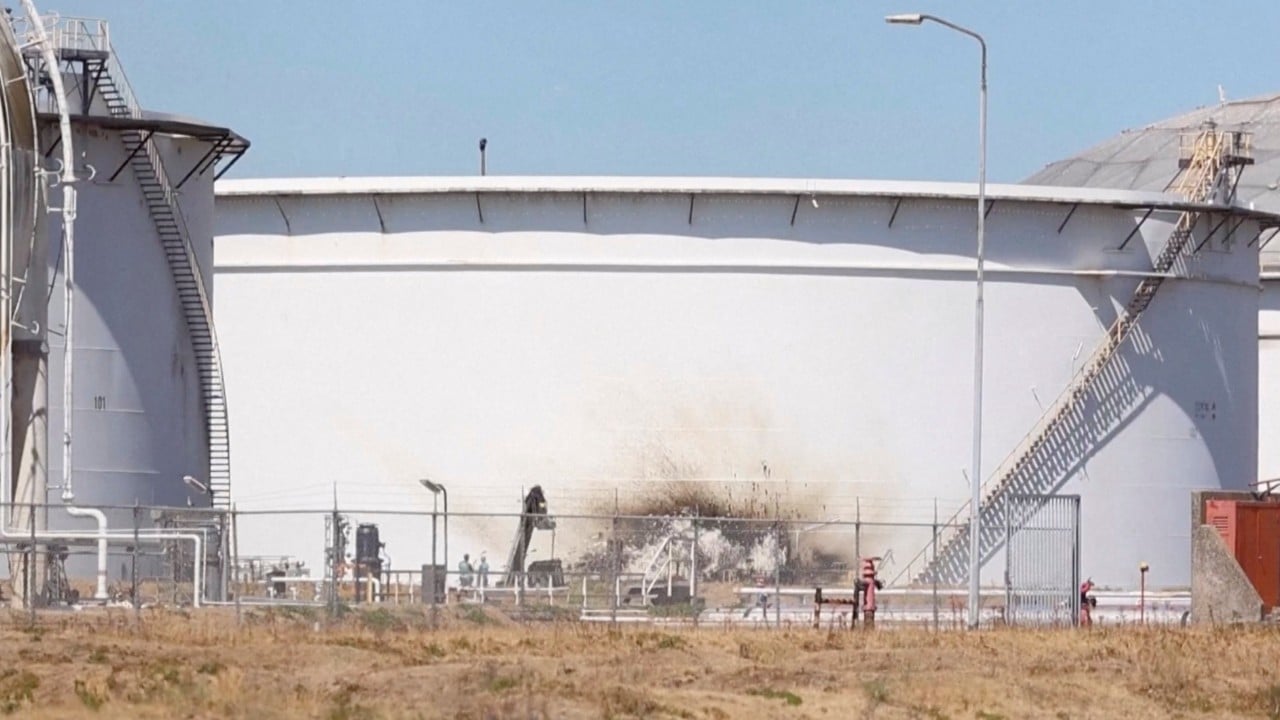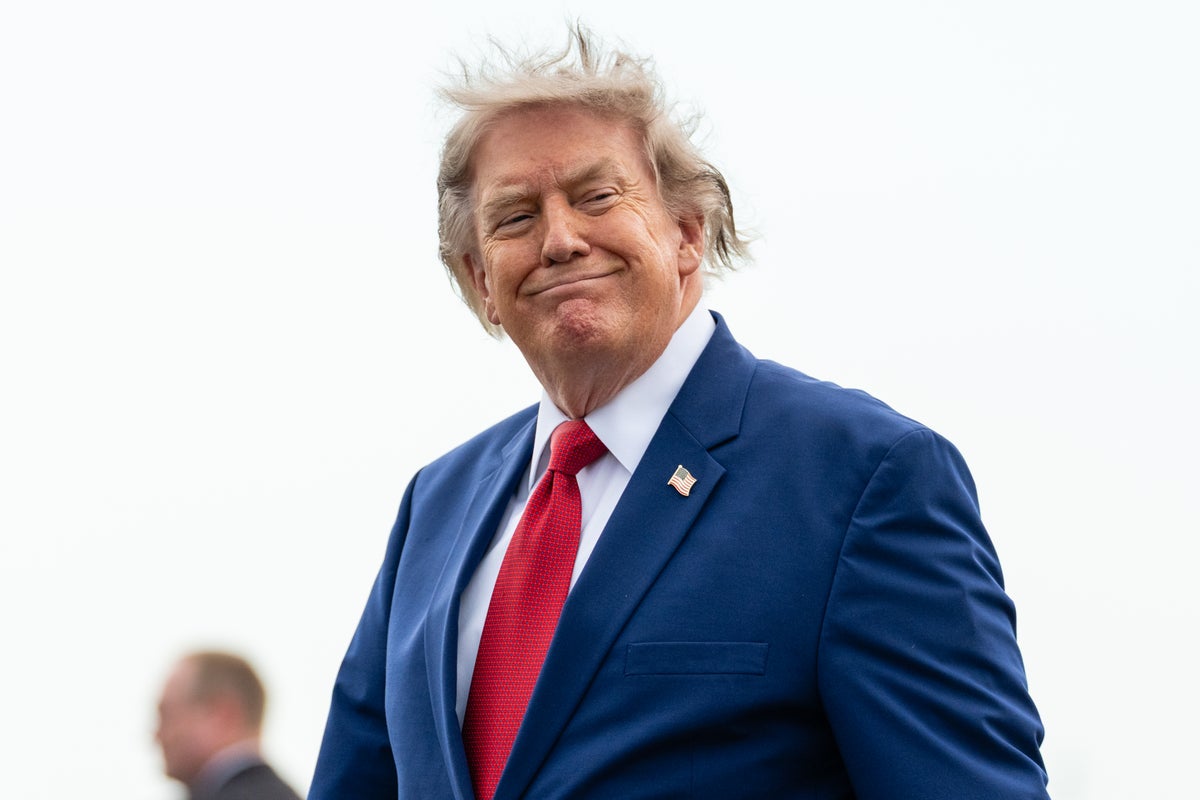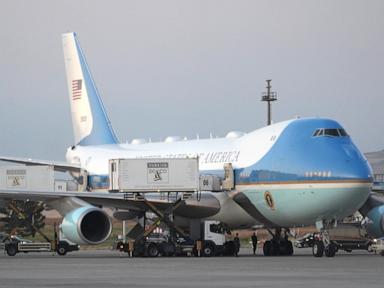
When a president walks up the stairs of Air Force One in plain view of cameras, the world assumes they are heading home. That visible boarding process is a standard, highly choreographed ritual. But on a sweltering July day in Ankara, the public-facing departure was a carefully orchestrated illusion designed to keep Donald Trump alive.
Intelligence reports had just flagged an imminent and specific threat. Iranian-backed operatives in the area were reportedly tracking the delegation with a shoulder-fired missile system. What followed was an extraordinary covert extraction that turned a presidential aircraft into a high-stakes decoy. For a closer look into similar topics, we suggest: this related article.
The Catering Truck Transfer
The operation required split-second precision from the U.S. Secret Service and military personnel. Trump had just wrapped up a high-profile NATO summit in Turkey. He publicly walked onto an older Boeing presidential aircraft, satisfying the press corps and any watchers monitoring the tarmac.
Once inside and out of sight, the reality changed entirely. For broader details on this issue, comprehensive reporting can be read at Associated Press.
Instead of settling into his usual cabin, Trump, along with a few close aides, squeezed into an elevated airport catering container attached to the side of the plane. The heavy-duty lift lowered them away from the large jet and straight down to a waiting military transport.
While the decoy aircraft taxied down the runway with its transponder active and an unsuspecting press pool trapped inside, Trump was already airborne on a separate, less conspicuous military jet heading toward a British base.
Why a Shoulder-Fired Missile Sparked Panic
Surface-to-air threats represent a nightmare scenario for aviation security. MANPADS, or man-portable air-defense systems, are lightweight, easily concealable, and notoriously difficult to counter if fired from close proximity during takeoff or landing.
Aerospace experts point out that modern heat-seeking or laser-guided shoulder-fired missiles can lock onto an aircraft's hot exhaust streams without giving off traditional radar warning signals. Even with advanced countermeasures, a heavy commercial-style airframe low to the ground in a foreign airfield remains vulnerable during those crucial climbing minutes.
Intelligence indicated that local operatives possessed both the hardware and surprisingly specific data regarding the president's itinerary in Ankara. When the risk assessment flipped from speculative chatter to a credible, imminent plot, the Secret Service pulled the trigger on the swap.
Keeping the Cabin in the Dark
One of the wildest elements of the Ankara departure was who got left out of the loop.
Cabinet officials like Secretary of State Marco Rubio and Treasury Secretary Scott Bessent were briefed ahead of time and intentionally placed onto the decoy plane to maintain the illusion. Meanwhile, White House staffers, security personnel, and the traveling journalists remained entirely oblivious.
Passengers on the decoy flight later noted strange instructions, such as keeping window shades closed for the duration of the trip. They assumed it was standard security theater until the truth came out weeks later.
When reporters finally questioned Trump about the ordeal after he confirmed the operation, he brushed off the drama with characteristic bluntness. He noted that he simply follows protocol.
"I go by Secret Service and the military," Trump told reporters. "They wanted me to go on a different flight, a different plane... I guess there was a threat out there. I didn't really ask too much about it. I get a lot of threats."
He even argued that the smaller backup plane he actually rode in might have faced higher overall risk if interceptors were hunting him specifically.
Decoy flights for commanders-in-chief are exceptionally rare, drawing inevitable historical comparisons to past emergency security maneuvers. But the Turkey operation highlights a grim modern baseline. Traveling abroad requires treating local tarmacs like active combat zones.