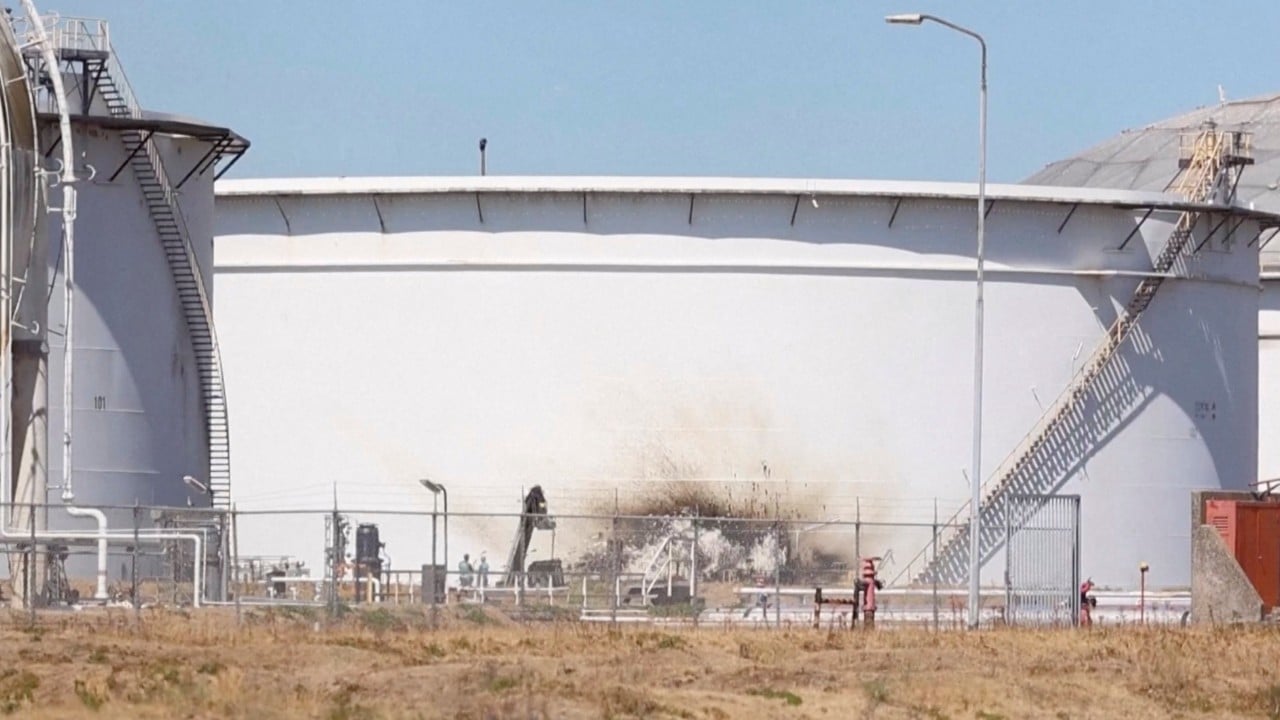
An explosion tore through a refinery and fuel terminal at the port of Rotterdam, killing one person and injuring six others.
The blast happened late Thursday morning on the Moezelweg in Europe's largest port. It struck a facility operated by energy commodities trader Gunvor. Maintenance crews had been working on a section of pipes or a storage tank right before the blast shook the industrial sector.
Emergency responders rushed to the scene. They cordoned off the area as a crime scene while forensic investigators and the Dutch labour inspectorate tried to piece together what went wrong.
What We Know About the Rotterdam Port Blast
Details remain stark. One person lost their life in the incident, and six others sustained injuries serious enough to require hospital transport.
Authorities aren't pointing fingers just yet. Police spokesperson Daan Valkenburg noted that while investigators are treating it as a workplace accident for now, they are keeping all possibilities open and have drawn no definitive conclusions. There is no immediate indication of sabotage, but checks are thorough.
The sheer scale of the port means any disruption sends shockwaves through international markets. The sprawling industrial complex houses massive refineries and terminals run by global heavyweights like Shell, BP, ExxonMobil, and Vitol.
The Coincidental Blackout That Heightened Panic
To make matters worse, a separate major power failure struck another part of the port on the exact same morning.
A high-voltage transformer caught fire under unexplained circumstances, prompting nearby companies to temporarily halt operations and evacuate workers. Gas flows at Rotterdam's Gate LNG terminal briefly dipped and became volatile, causing immediate concern about widespread industrial failure.
However, emergency services quickly untangled the two events. They ruled out any link between the power blackout and the fatal explosion at the Gunvor terminal. Power was gradually restored by mid-afternoon, and major operators like ExxonMobil reported that their units managed to stabilize or resolve the temporary outage. Shell confirmed that its primary operations remained entirely unaffected by either incident.
Why This Matters for the European Energy Grid
You might wonder why an accident at a single terminal matters outside of the Netherlands.
Rotterdam acts as the literal heartbeat of northwestern Europe's energy supply. It handles massive volumes of crude oil, petroleum products, and liquefied natural gas imports. With regional gas storage levels hovering around 40% ahead of the crucial winter heating season, any threat to terminal infrastructure rattles commodity traders and market watchers alike.
Safety protocols at these mega-ports are notoriously strict. Yet, heavy industrial maintenance remains inherently dangerous. Working with pressurized pipes and aging fuel infrastructure leaves very little room for error.
The Dutch labor inspectorate and local police investigations will take time to deliver a final report. For now, cleanup crews are managing the site, and operations across the rest of Europe's biggest harbor have largely resumed normal scheduling.