The energy landscape in South Asia is shifting faster than most analysts expected. If you've been watching Dhaka's power ambitions, you know that relying solely on fossil fuels hasn't been a sustainable bet for years. That is precisely why the Rooppur project has become such a high-stakes endeavor.
Now, fresh from the Russian Energy Week forum, Rosatom CEO Aleksey Likhachev has dropped a massive hint about what comes next. Russia isn't just finishing up the initial phase of Bangladesh's first nuclear power plant. They are already hashing out plans for an entire additional expansion.
Moving Beyond the First Generation at Rooppur
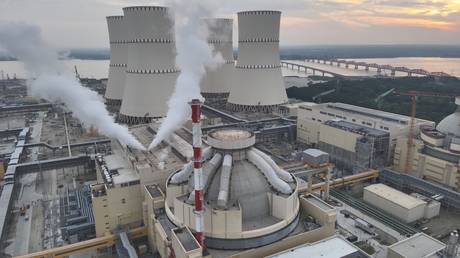
Let’s be honest. Building a nuclear plant from scratch in a developing economy is no walk in the park. It takes massive capital, strict regulatory oversight, and decades of engineering grit. The Rooppur plant—featuring two Russian-designed reactors with a combined 2,400-megawatt capacity—has been moving toward reality through an $11.9 billion state loan framework backed by Moscow.
With the first unit recently hitting criticality and heading for a November grid connection, attention is naturally pivoting toward the future. Likhachev made it clear that while small-capacity units and research reactors are on the table, the primary trajectory points toward scaling up large units.
Why does this matter right now? Because Bangladesh needs predictable base-load power. When fully online, Rooppur is projected to shoulder up to 12% of the nation's total electricity demand. Expanding that footprint with an additional phase means Dhaka could lock in long-term energy security without staying chained to fluctuating global gas and coal prices.
Small Reactors and Floating Options
It isn't just about massive concrete domes and standard reactors anymore. Dhaka has reportedly poked Rosatom for alternative tech, including small modular configurations and floating nuclear power stations.
While floating units and small-scale options sound futuristic, they represent a practical solution for regional grid constraints. Building a massive facility requires specific geographic and grid conditions, whereas modular configurations offer flexibility. Rosatom is actively reviewing these proposals, though the heavyweight champion of future discussions remains large-capacity expansion.
Commissioning for the second Rooppur unit is slated for next year. If you look at the timeline, Moscow and Dhaka are establishing a multi-decade technological partnership that goes far beyond simply delivering hardware. Russia provides the fuel, the technical engineering, and the lifecycle assistance.
What This Means for Regional Energy Markets
Energy independence is rarely clean or cheap, but it remains the ultimate goal for growing economies like Bangladesh. When you drop a 2,400-megawatt nuclear facility into a national grid, the dynamics change overnight. Industries get steady power, urban centers face fewer brownouts, and the country's carbon intensity drops significantly.
If you are tracking international nuclear tech exports, watch how this second phase unfolds. Rosatom is positioning itself as the primary architect of South Asia's atomic transition.
Keep an eye on the upcoming grid connection milestones this November. Pay close attention to how Dhaka handles the financing framework for any upcoming expansion phases. The next chapter of nuclear cooperation in Asia is being written right now, and it's moving much quicker than anyone anticipated.