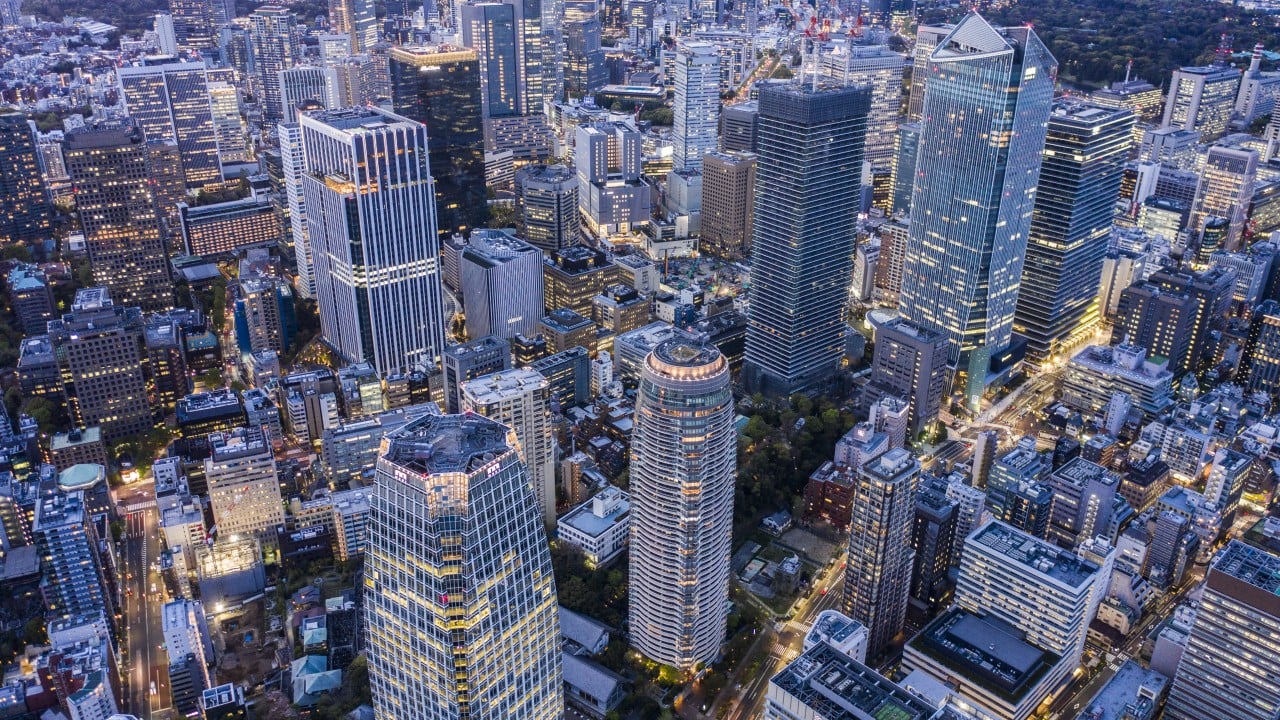
Commercial real estate in wealthy Asian cities is about to take a massive hit, and most developers refuse to see it coming.
Empty desks are piling up. Tech upgrades are replacing human workers at a dizzying pace. If you own commercial property in places like Tokyo, Singapore, Hong Kong, or Sydney, you're sweating right now. Office demand in developed Asia-Pacific economies is facing a harsh correction.
The Empty Desk Crisis Is Real
For decades, the math behind commercial real estate was simple. Companies grew, headcount expanded, and firms rented entire high-rise floors. That era is dead. Automation tools and software agents now handle the grunt work once assigned to armies of entry-level analysts, customer service reps, and middle managers.
Fewer people in the building means companies need less square footage. They aren't just cutting costs on software licenses. They are shrinking their physical footprints. When a financial firm automates half its compliance reporting, it doesn't need three floors of cubicles anymore. It needs half a floor.
Corporate real estate heads are scrambling. They used to plan office expansions five years out. Now, they are breaking leases early and trying to sublease space into a glutted market.
Where the Damage Hits Hardest
Not every city suffers equally. Developed markets with high labor costs face the steepest drops. Singapore and Hong Kong, already struggling with high rents and shifting financial sectors, are prime targets. Tokyo faces a unique crunch as traditional corporate structures collide with rapid technological adoption.
"Companies are realizing they can maintain output with a fraction of the headcount."
When productivity spikes through software efficiency, real estate demand plummets. It's a direct correlation. Landlords holding long-term debt on premium towers are looking at a brutal valuation reset. Yields are dropping. Vacancy rates are ticking upward quarter after quarter.
What Investors Keep Getting Wrong
Most retail investors think hybrid work is the main culprit for empty offices. They blame work-from-home policies and call it a day. That is a lazy assumption.
Remote work plateaued. The real structural shift happening right now is structural downsizing driven by workforce automation. Even companies forcing staff back to desks five days a week are leasing smaller offices. They have fewer employees to seat.
If you look at the absorption rates in major metropolitan business districts, the drop-off aligns directly with corporate tech spending surges. Companies are trading headcount for algorithms. Real estate follows headcount, not management philosophy.
Surviving the Shift
If you have exposure to this market, you need to change your strategy immediately. Stop buying broad commercial real estate investment trusts blindly. Look for properties that can pivot to mixed-use spaces or those offering hyper-flexible short-term leases.
Flexibility is the only survival metric left. Rigid ten-year leases are toxic assets now. Buildings that cannot adapt to smaller, tech-lean tenant profiles will turn into ghost towns.
Take a hard look at your portfolio exposure today. Adjust your holdings before the wider market prices in the full scale of these workforce reductions.