Geopolitics rarely stays inside neat borders. Sometimes, a security investigation in South Asia pulls together American mercenaries, Ukrainian digital assets, civilian aircraft in Southeast Asia, and porous border checkpoints in India's northeast.
That is the strange reality currently unfolding inside a Delhi courtroom. India's National Investigation Agency has formally tied an American national and a group of Ukrainian citizens to a daring drone attack on a commercial airplane thousands of miles away. If you liked this piece, you might want to check out: this related article.
If you are wondering how a probe by Indian investigators wound up tracking foreign combat specialists operating near the Myanmar border, you are not alone. The connections look messy. They involve tourist visas, illegal border crossings, and high-tech military gear.
Let's break down what actually happened and why New Delhi's counter-terror apparatus cares. For another perspective on this story, refer to the latest update from TIME.
The Mizoram Connection and Tourist Visas
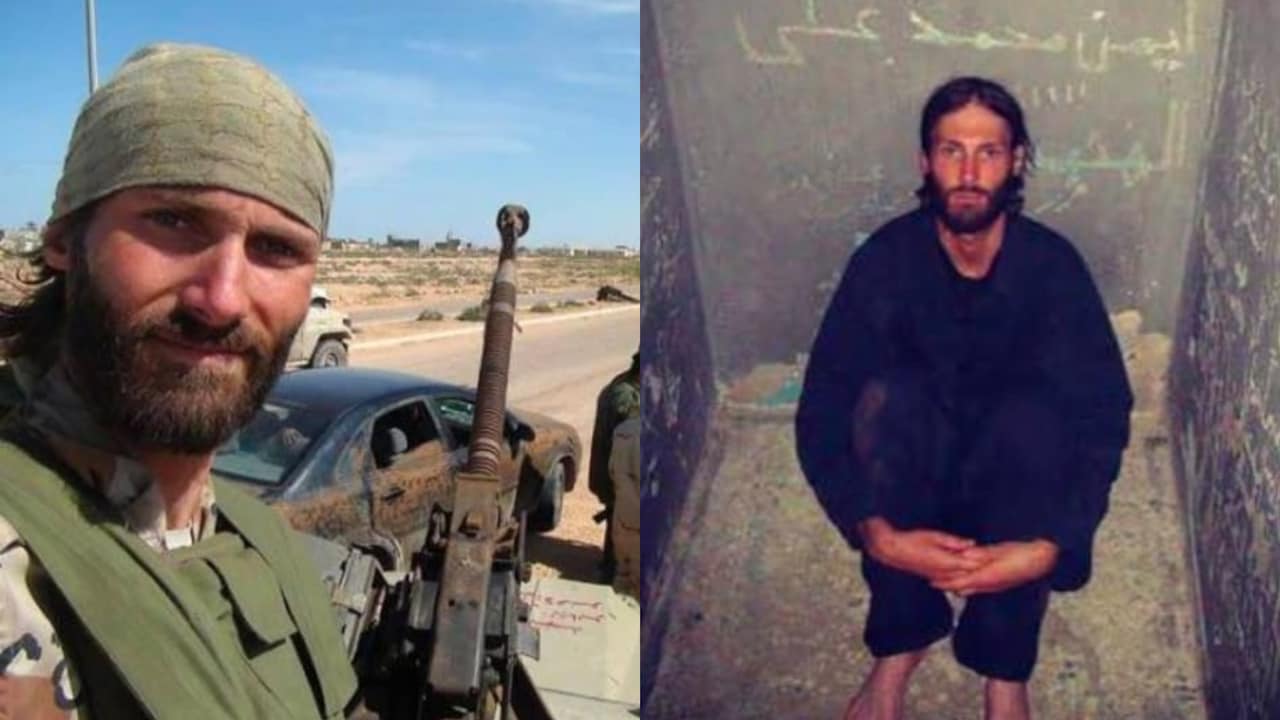
It started with an arrest. Back in March, security forces picked up American citizen Matthew Van Dyke and six Ukrainian nationals. Their crime on paper? Illegally entering India through the porous borders of Mizoram after initially arriving in the country on standard tourist visas via Guwahati.
Tourist visas don't give you free passage into sensitive border zones. Without Restricted Area Permits or Protected Area Permits, their movement raised immediate red flags. But the NIA quickly realized these weren't standard lost travelers.
Investigators claim these individuals didn't stop in India. They slipped across the border into Myanmar. Their mission? Delivering specialized, pre-scheduled training on drone warfare, FPV drone operations, assembly, and electronic jamming technology to Ethnic Armed Groups fighting the Myanmar military junta.
Ethnic armed factions have fought Yangon's military rulers for decades. Since the 2021 coup, those clashes intensified, drawing in modern tactics, makeshift alliances, and advanced aerial hardware.
The Myanmar Plane Attack
The investigation took a sharp turn when the NIA uncovered digital and logistical threads tying this foreign module to a specific act of violence. On February 20, a Myanmar National Airlines ATR-72-600 flight preparing to fly from Myitkyina to Mandalay sat on the tarmac with passengers boarding.
Two FPV kamikaze drones equipped with RPG-type warheads struck the aircraft. The explosions damaged the nose, fuselage, and tail of the commercial plane.
According to the NIA, intelligence inputs and subsequent forensic recovery point straight back to the Matthew Van Dyke network. The agency alleges that the drones used in that attack were funneled to local rebel groups through channels managed or influenced by this exact foreign element.
Digital Evidence and Tihar Jail Interrogations
How did investigators build this link? Phones and hard drives.
When authorities arrested Van Dyke and Ukrainian national Kaminskyi Viktor, they seized electronic devices filled with photos, videos, voice samples, and operational footage. Investigators have spent months pulling data from those devices.
The extracted files reportedly contain vital clues regarding how the drones originated, who supplied them, and who trained local militias to fly weaponized FPV systems in active combat zones.
A special Patiala House court in Delhi recently granted the NIA permission to formally interrogate Van Dyke and Viktor inside Tihar jail. The goal is simple. Investigators want to match the recovered digital evidence against the statements of the accused, mapping out the full extent of the cross-border mercenary network before closing the case file.
While the legal process still needs to prove specific individual culpability in an open court, the cross-continental trail of hardware and human movement shows just how easily global conflicts bleed into regional Asian security. Keep your eyes on the courtroom updates. This network runs deeper than a single border slip-up.