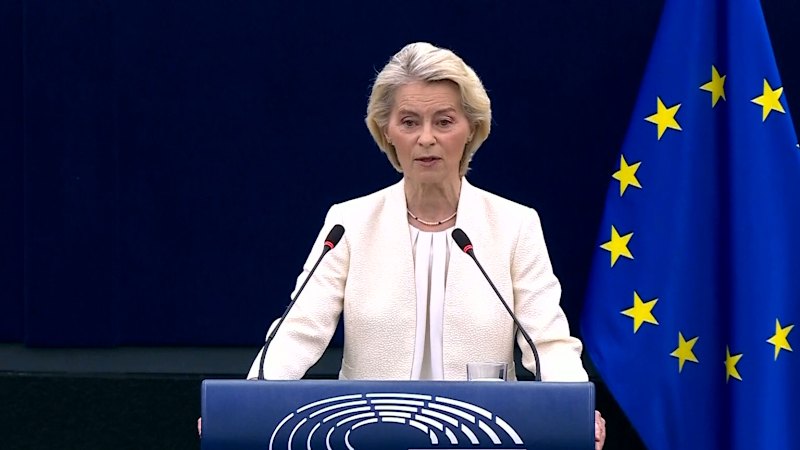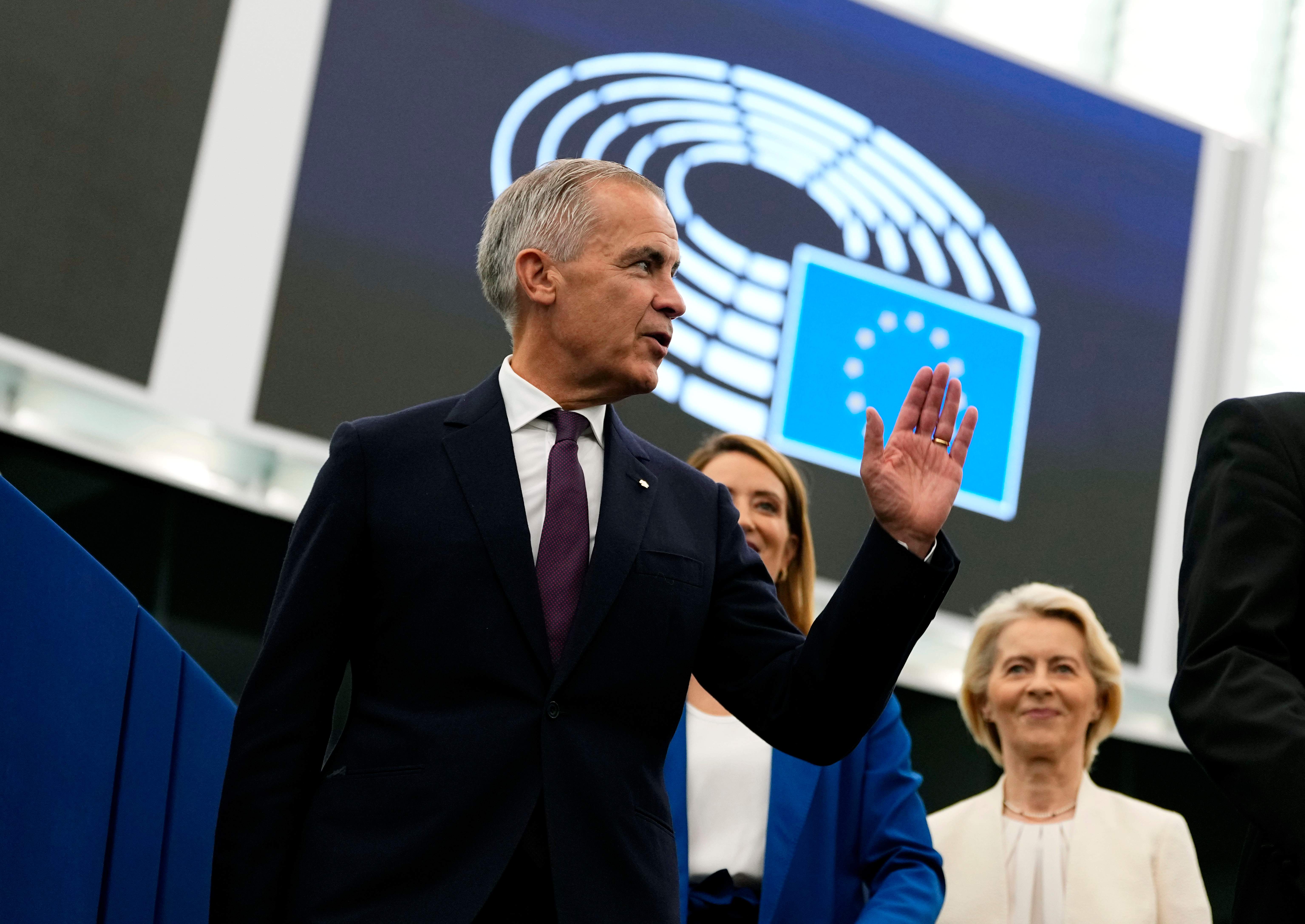
Talk of Canada becoming the European Union's first associate member sounds like a headline ripped from an alternate timeline. Ursula von der Leyen floated the concept, and suddenly political circles are buzzing about what an economic and institutional marriage between Ottawa and Brussels might actually look like. Let's be real for a second. It's a massive policy shift that deserves a healthy dose of skepticism rather than blind enthusiasm.
If you look past the diplomatic handshakes, the core question is simple. Why would a sovereign North American nation want to entangle itself in the heavy bureaucracy of the old world?
The CETA Reality Check
Canada already signed a massive trade deal with Europe. It's called the Comprehensive Economic and Trade Agreement, or CETA. Ten years after its initial signing, several EU member states still haven't fully ratified it. If traditional free trade is that painful to lock down completely, jumping straight into associate membership opens up a Pandora's box of regulatory alignment, financial contributions, and freedom of movement debates.
When you examine how trade works right now, our largest economic partner remains right below our border. Diversifying trade is smart. Tying our regulatory framework to a bloc an ocean away just to prove a political point is entirely different.
What Associate Status Actually Means
European integration isn't a casual club. Associate membership or European Economic Area arrangements usually come with a very specific price tag. Countries like Norway contribute billions annually to the EU budget to access the single market, while accepting rules set in Brussels without having a direct vote in making them.
Imagine paying millions or billions in net contributions to a foreign governing body while local industries face fresh red tape. That's a hard sell for taxpayers already wrestling with cost-of-living pressures and high inflation. Atlantic fisheries, energy exports, and agricultural quotas would instantly land on the negotiating table. If history teaches us anything, distant bureaucrats rarely prioritize local resource regions.
The Sovereignty Debate
National independence matters. Citizens across Western democracies are increasingly protective of their borders, laws, and domestic autonomy. Signing up for an associate framework means inheriting external regulatory burdens. You can't have deep institutional integration without giving up a slice of your national independence.
Critics pointing to Brexit aren't wrong to raise eyebrows. The United Kingdom spent decades untangling itself from Brussels precisely because voters wanted local accountability back. Going the opposite direction now, without a clear, open national referendum or transparent debate in parliament, feels like governance by surprise.
Moving Forward
Before politicians sign away chunks of national sovereignty for a photo-op in Brussels, Canadians deserve complete transparency. Vague speeches about stability and shared values don't pay the bills or protect domestic industries. Demand real answers from leaders pushing for closer European ties. Ask what it costs, what regulations we inherit, and what Canada gives up in return. Don't settle for soundbites.