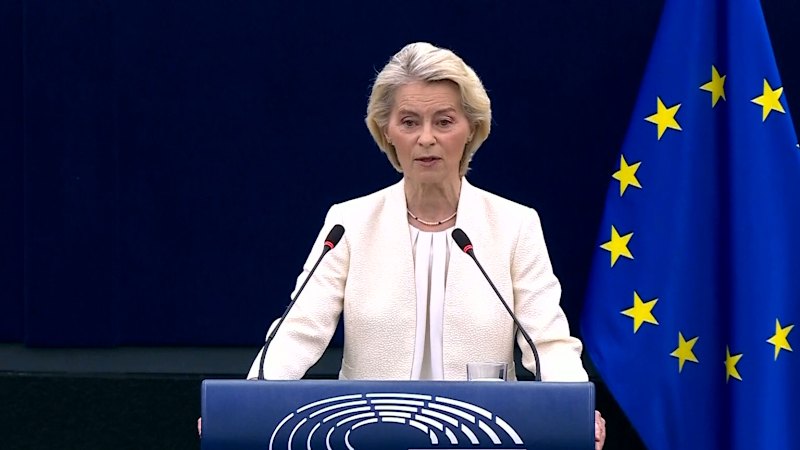
Brussels just threw out the traditional geopolitical rulebook. European Commission President Ursula von der Leyen invited Canada to become the bloc's very first associate member, shattering the old limits of how non-European nations interact with the European Union.
Canadian Prime Minister Mark Carney traveled to Strasbourg, France, to hear the historic State of the European Union address and pitch a radically integrated future to the European Parliament. If you think this is just another dry diplomatic handshake, you're missing the entire plot. This move rewires supply chains, defense procurement, and financial market access across the Atlantic.
What an Associate Membership Actually Means
For decades, international treaties with the EU followed rigid, predictable paths. You either joined the bloc as a full member state—complete with voting rights in Brussels and adoption of the euro—or you settled for standard free trade agreements like CETA, dealing with endless regulatory friction at every border.
Associate status bridges that massive chasm. It gives Canada a unique seat at the table without requiring full political integration. It's a pragmatic blueprint designed for an era defined by fractured global trade, aggressive supply chain weaponization, and intense technological competition between superpowers.
Playing to Mutual Strengths
Canada and Europe aren't signing this deal out of charity. Both sides bring heavy-hitting assets to the table that solve each other's urgent economic and security vulnerabilities.
Europe brings unmatched market power, immense research depth, and sophisticated manufacturing capacity. Canada counters with what the EU desperately needs to secure its strategic autonomy: abundant clean energy, critical minerals essential for tech hardware, world-class capabilities in quantum computing and artificial intelligence, and one of the most stable banking systems on the planet.
Look at what's already happened over the past year. In February 2026, Canada became the first non-European country to join the EU's Security Action for Europe initiative. By June of that same year, Montréal-based Marconi Technologies locked down a major procurement deal to supply made-in-Canada tactical radios to the Polish Cyber Command. This isn't theoretical diplomacy anymore. Real money and defense contracts are already moving.
The Real Driver Behind the Deal
Why move so fast now? Look around the globe. Traditional multilateral organizations are gridlocked, and protectionism is surging everywhere. Major powers are weaponizing trade, energy supplies, and semiconductor chips.
By tying their economies closer together, Canada and the EU are building a fortified economic bloc rooted in shared democratic values, the rule of law, and institutional stability. For everyday citizens, this arrangement aims to tear down bureaucratic barriers. Think of smoother financial services integration, broader choices, and lower costs across borders. Think of young professionals getting streamlined pathways to live, work, and study across two continents.
What Happens Next
The groundwork is laid, but the heavy lifting starts immediately. Negotiators in Ottawa and Brussels have to hammer out the precise mechanics of regulatory alignment, defense integration through frameworks like the Global Combat Air Programme, and critical mineral supply guarantees.
Keep a close eye on how other middle powers react to this move. If this unique associate model succeeds, it won't just redefine transatlantic relations. It will serve as the exact template every other nation wants to copy.
Take a hard look at your own portfolio or business supply chains if you operate internationally. The regulatory environment between North America and Europe is shifting right now, and the companies adapting to these new trade pipelines today are the ones that will dominate tomorrow.