Two dead men, zero video evidence, and a federal agency hiding behind a wall of silence.
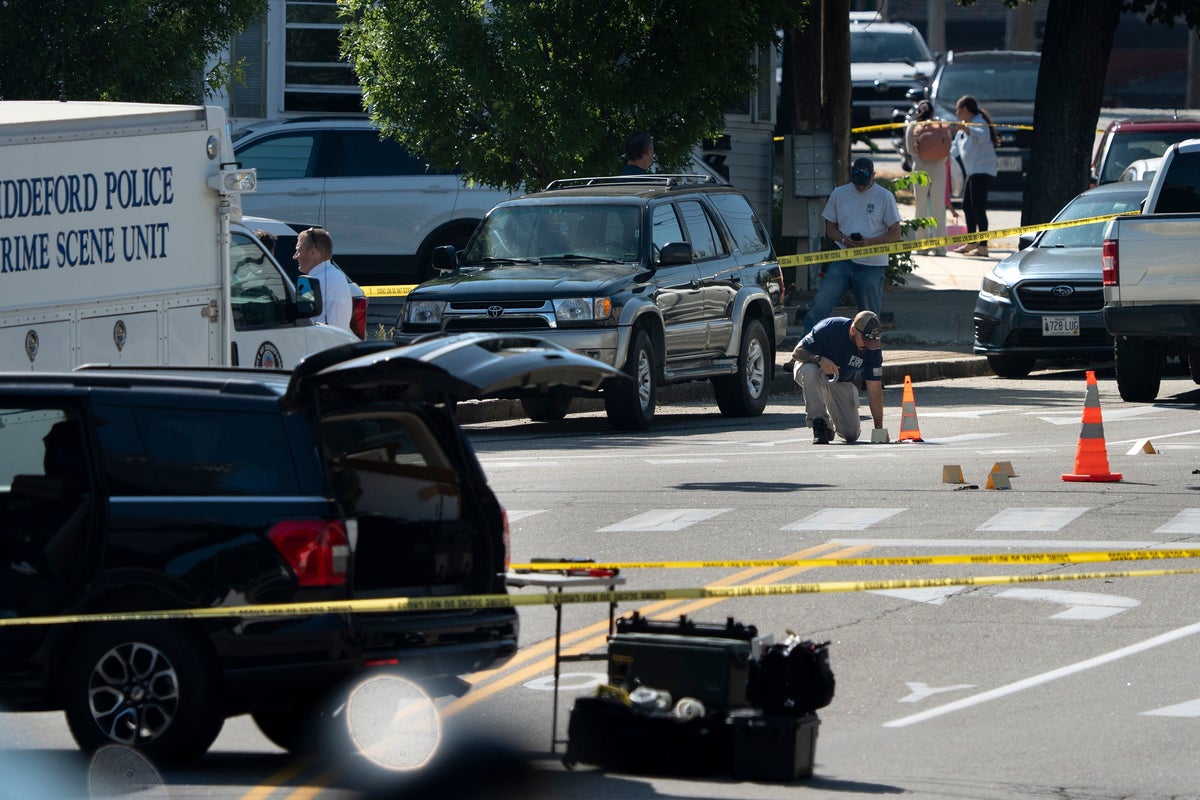
The fatal shootings of 26-year-old Johann Sebastian Guerrero in Biddeford, Maine, and Lorenzo Salgado Araujo in Houston, Texas, have brought U.S. Immigration and Customs Enforcement under intense scrutiny. The agency claims both men weaponized their vehicles during routine traffic stops. Witnesses and family members tell a completely different story.
We shouldn't have to guess who is telling the truth.
In April, Congress handed the Department of Homeland Security $20 million specifically earmarked to buy, deploy, and operate body-worn cameras for officers doing immigration enforcement. Yet, during these two high-profile, fatal encounters, not a single ICE agent on the scene was wearing one.
The Deadly Cost of Missing Video Evidence
The absence of body cameras leaves the public with nothing but the government's word. That word is looking increasingly shaky.
In the Houston shooting, ICE officials claimed Salgado Araujo tried to ram an officer with his van. Passengers who were inside that very van explicitly dispute the claim. In Maine, the situation looks even worse. Senator Angus King confirmed that ICE agents mistakenly targeted Guerrero. He wasn't even the person they were looking for. Agents tried to pull him over, claimed his vehicle attempted to flee and posed a "public safety threat," and opened fire.
If agents had been wearing body cameras, we would know exactly what happened. Instead, we have a complete vacuum of objective evidence.
This isn't a new problem. Earlier this year in Minneapolis, the fatal shootings of Renee Good and Alex Pretti sparked massive public outcry. At the time, the administration promised to rapidly acquire and deploy body cameras to field officers.
Half a year later, that promise remains unfulfilled.
Where Did the $20 Million Go
The excuse from federal officials usually points to red tape, administrative delays, or political finger-pointing.
While the department received the $20 million funding injection in the spring, acting ICE head David Venturella recently admitted to lawmakers that less than a third of officers nationwide have actually been issued the cameras. Homeland Security claims that cameras have been deployed to over half of ICE field offices, with the rest supposedly getting them soon. But "deployed to offices" doesn't mean "worn on the streets."
Representative Sylvia Garcia expressed the frustration felt by many critics of the agency's slow rollout.
"If they're going to be running around with guns and stopping people, you damn well better have some body cameras. This is an agency that's soaking up an incredible amount of tax dollars and we can't have any accountability?"
The delay has forced ICE into a defensive crouch. In the wake of the Maine and Texas shootings, the agency quietly paused all non-urgent vehicle stops nationwide. The official word is that the freeze is temporary while officers undergo new training.
But a temporary pause on traffic stops is a band-aid on a gaping wound. It doesn't solve the core issue of an agency operating with high-powered weapons and almost zero independent oversight.
What Needs to Change Right Now
Taking lives during civil immigration enforcement should be an absolute anomaly, not a recurring headline. If the federal government wants to rebuild any semblance of public trust, it needs to stop making excuses and start enforcing basic standards of transparency.
- Mandate Immediate Camera Activation: Any agent participating in field operations, vehicle stops, or arrests must have an active, recording body camera. No exceptions.
- Establish Clear Consequences: If an agent discharges a firearm while their camera is turned off or missing, there must be immediate administrative suspension and a transparent independent investigation.
- Release Footage Quickly: DHS must commit to a strict, public timeline—such as 14 days—to release unedited footage of any critical incident involving a discharge of a firearm.
- Congressional Oversight Hearings: Congress needs to demand a dollar-by-dollar accounting of the $20 million allocated in April. If the money is sitting in a bureaucratic pipeline while lives are being lost, heads need to roll.
The technology exists, the funding is there, and the public demand is undeniable. It's time for the Department of Homeland Security to stop explaining why the cameras aren't on and just turn them on.