Canadian officials cut the ribbon on the new Gordie Howe International Bridge without a single American official standing beside them.
The joint ceremony between the United States and Canada was scrapped at the last minute. Canadian leaders decided they couldn’t celebrate alongside Washington after President Donald Trump slapped a 50% tariff on Canadian goods. Trump fired back on Truth Social, claiming Canada "disinvited" the US, while boasting that he forced Ottawa to hand over half of the bridge's future profits anyway.
It was an awkward, tense, and deeply symbolic moment. A $6.4 billion infrastructure project meant to link Detroit and Windsor now sits as a stark monument to how frayed US-Canada relations have become.
If you thought border politics were complicated before, this spat takes things to a whole new level.
A Ribbon Cutting Without an Ally
For years, the plan was simple. Canadian and American leaders would stand together on the border, snip a ribbon, and toast a massive engineering project connecting Detroit, Michigan to Windsor, Ontario.
That plan fell apart fast.
Just days before the scheduled July 24 ceremony, Trump signed proclamations imposing 50% tariffs on a massive swath of Canadian exports. Canadian Infrastructure Minister Gregor Robertson’s office didn't mince words. Spokesperson Jenna Ghassabeh announced that proceeding with a joint celebratory event under the threat of aggressive trade actions was completely inappropriate.
Canada went ahead on its own.
Ontario Premier Doug Ford showed up wearing a Team Canada hockey jersey in honor of Gordie Howe. He stood alongside Canadian Prime Minister Mark Carney, Ambassador Mark Wiseman, and members of Howe’s family. While Ford acknowledged that ties between the two nations were strained, his message was firm. Canada wouldn't back down from economic threats. He reminded everyone that Ottawa funded the whole $6.4 billion bill for construction.
On the American side? Crickets. No official delegation. No joint photo op. Just a barrage of social media posts from Washington.
Trump Fires Back Over Profit Splits and Tariffs
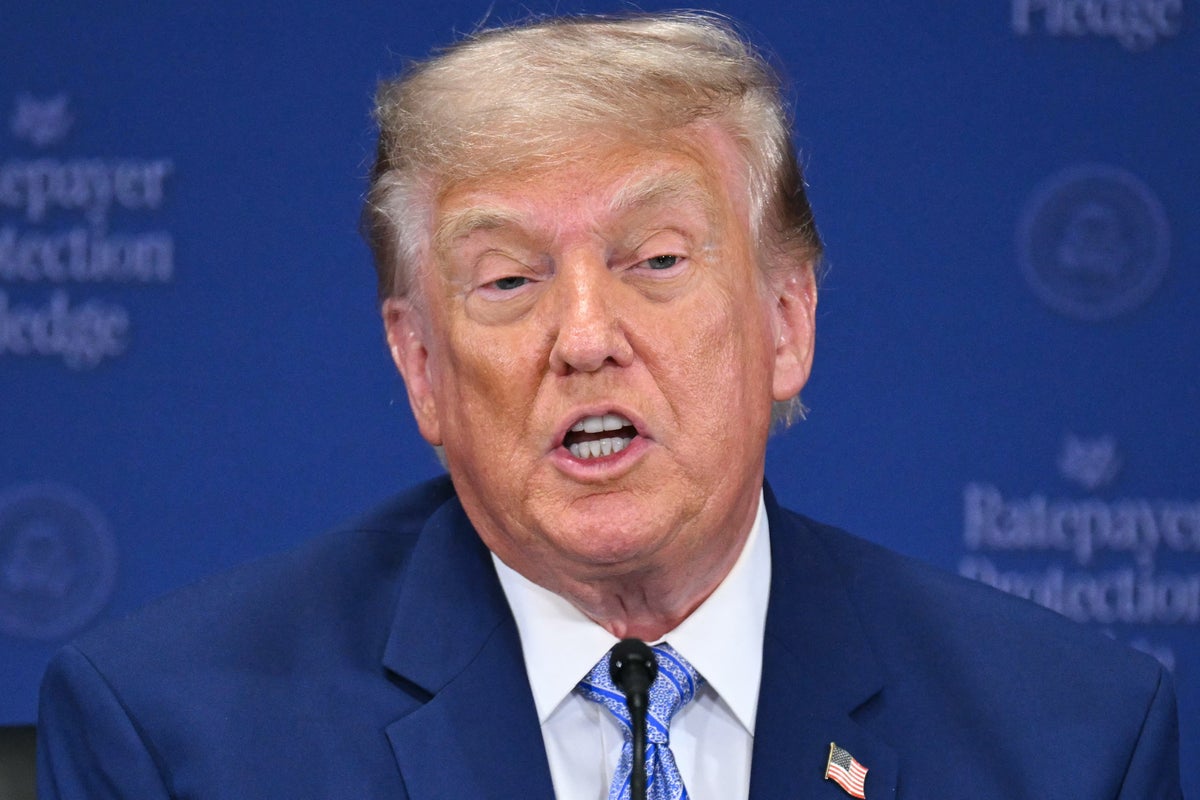
Trump didn't let the solo Canadian ceremony pass without a response. Taking to Truth Social, he brushed off the exclusion while asserting American leverage.
He posted that Canada disinviting the US was fine by him, pointing to the substantial tariffs Canada would now be paying. He then claimed he had overhauled the deal entirely, alleging the original contract negotiated by previous administrations was a disaster for the US. According to Trump, Washington now secures 50% of the bridge's profits.
That statement opened up a whole new debate over the math and contract history behind the bridge.
The reality of the contract is far more nuanced than a quick social media post suggests. Back in 2012, Canada agreed to fully fund the design, construction, and operation of the bridge. The original agreement specified that Canada collects 100% of the toll revenues until it fully recoups its initial $6.4 billion investment and pays off the debt.
Prime Minister Mark Carney clarified the financial structure following confusion over recent talks with US Secretary of Commerce Howard Lutnick. Carney noted that while net revenues will eventually be shared 50-50, that split only kicks in after Canada repays its construction debt. In short, Canada isn't writing a blank check to Washington today.
Trump's frustration with the project isn't new. Earlier this year, he threatened to block the bridge from opening altogether, claiming it used almost no American material and that Canada owned both sides. Canadian officials pushed back, pointing out that tons of American steel went into the structure and that ownership is shared with the State of Michigan once operational obligations are met.
How a Simple Bridge Became a Major Trade Battlefield
You might wonder how a bridge named after a beloved hockey legend became the epicenter of a trade war.
It comes down to timing and leverage. The Gordie Howe International Bridge is one of the most critical commercial border crossings in North America. Thousands of trucks cross between Detroit and Windsor daily, carrying billions in auto parts, agriculture, and manufactured goods.
When Washington slapped 50% duties on Canadian products, Canadian leadership realized they couldn't pretend it was business as usual. Celebrating a major trade route with an administration actively penalizing your trade goods felt hypocritical.
Here is what went down behind the scenes leading up to the clash.
A Timeline of the Escalation
- 2012 to 2018: Canada agrees to fund the $6.4 billion crossing. Construction begins in 2018 with plans for shared management between Michigan and Windsor.
- February 2026: Trump threatens to block the bridge's spring opening, demanding financial compensation and claiming the US got a bad deal.
- March to May 2026: Operational testing starts. Toll rates are set, and Homeland Security confirms border control systems are ready.
- Mid-July 2026: A joint opening ceremony is set for July 24, with traffic scheduled to flow on July 27.
- July 20, 2026: Trump signs executive orders imposing 50% tariffs on Canadian goods, citing trade imbalances and Canadian duties on American goods.
- July 22, 2026: Canada officially cancels the joint ceremony, calling it inappropriate under trade threats.
- July 24, 2026: Canadian leaders host a solo ribbon-cutting on the Windsor side. Trump posts on social media claiming 50% of bridge revenues for the US.
What This Means for Cross Border Trade and Travel
Despite the political drama, the bridge opens to commercial and passenger traffic on July 27, 2026. Drivers crossing between Michigan and Ontario will still be able to use the span.
The real impact won't be seen on the pavement. It will be felt in supply chains and border logistics.
If 50% tariffs take full effect, the economic flow across that brand-new bridge will hit serious speed bumps. Companies moving automotive parts back and forth across the Detroit River face massive cost increases. Small businesses depending on daily cross-border transit are left scrambling to adjust budget forecasts.
For everyday travelers and truck drivers, the physical crossing will operate normally. Customs officers on both sides are stationed and ready. But the political rift overhangs every shipment passing through the checkpoints.
What You Should Do Next
If your business relies on cross-border logistics between the US and Canada, sitting back isn't an option.
First, review your supply chain contracts immediately. Determine whether your shipments fall under USMCA provisions or if they trigger the new 50% tariff lines.
Second, map out alternative routing options. Freight congestion could spike at nearby crossings like the Ambassador Bridge or the Detroit-Windsor Tunnel as shippers adjust to new tariff regulations and paperwork checks.
Third, monitor official statements from the US Trade Representative and Canada's Ministry of Infrastructure. Negotiations are moving fast, and revenue-sharing adjustments or tariff exemptions could change overnight. Stay informed so your operations don't get caught in the middle of a political standoff.